 English
 中文简体
中文简体
Industry News
Content
- 1 Is Heavy Silk Satin Suitable for Luxury Clothing and Evening Wear?
- 2 Heavy Silk Satin vs Lightweight Satin: Key Differences
- 3 Does Heavy Silk Satin Wrinkle Easily? Care and Maintenance
- 4 Durability of Heavy Silk Satin for Dresses and Bridal Wear
- 5 Is Heavy Silk Satin Breathable and Comfortable to Wear?
- 6 What Makes Silk Satin Fabric Ideal for High-End Fashion Design
- 7 Common Questions About Heavy Silk Satin
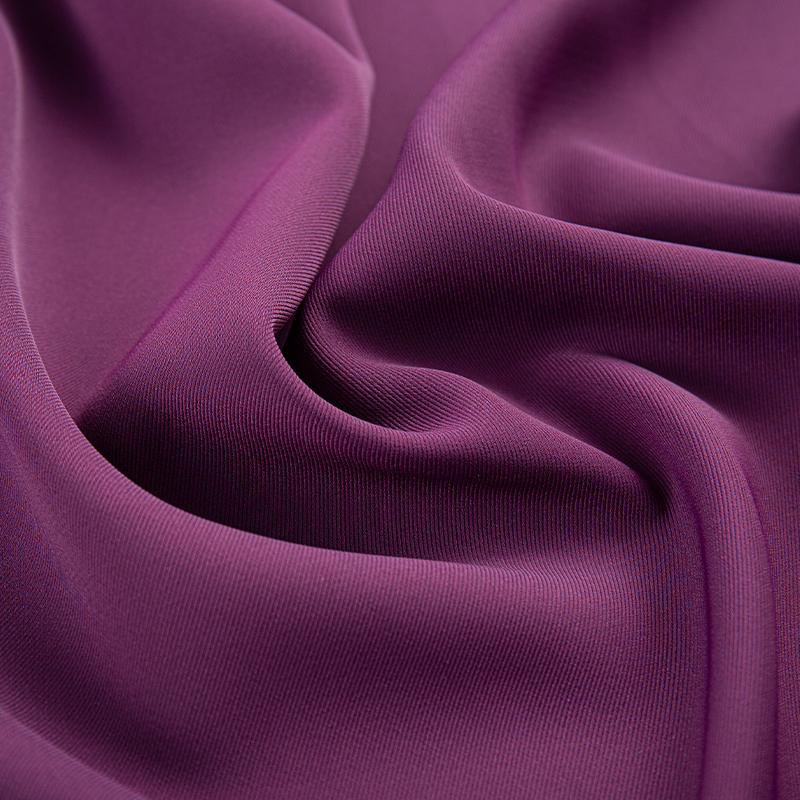
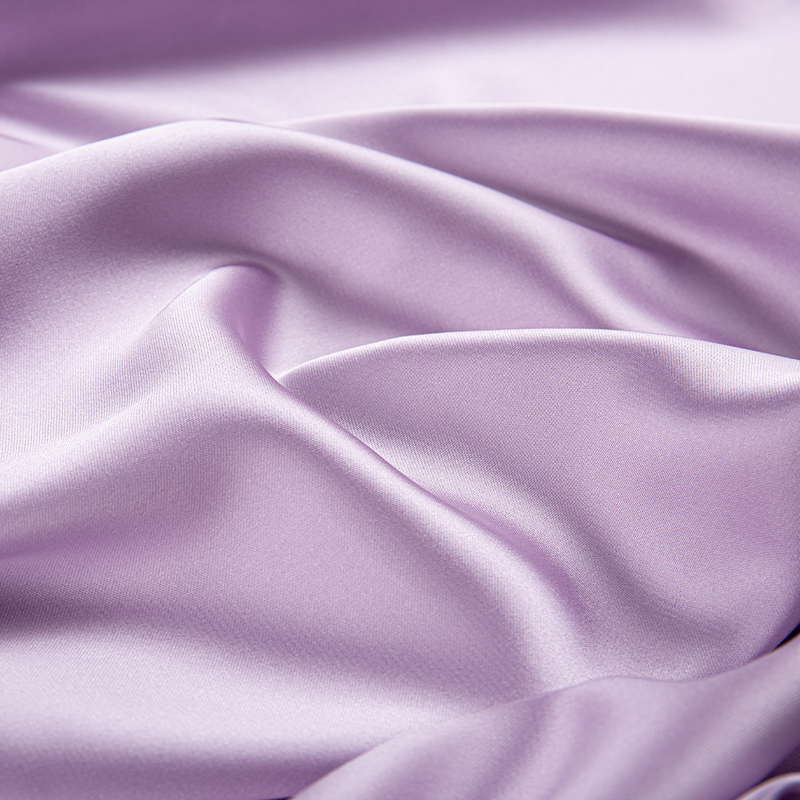
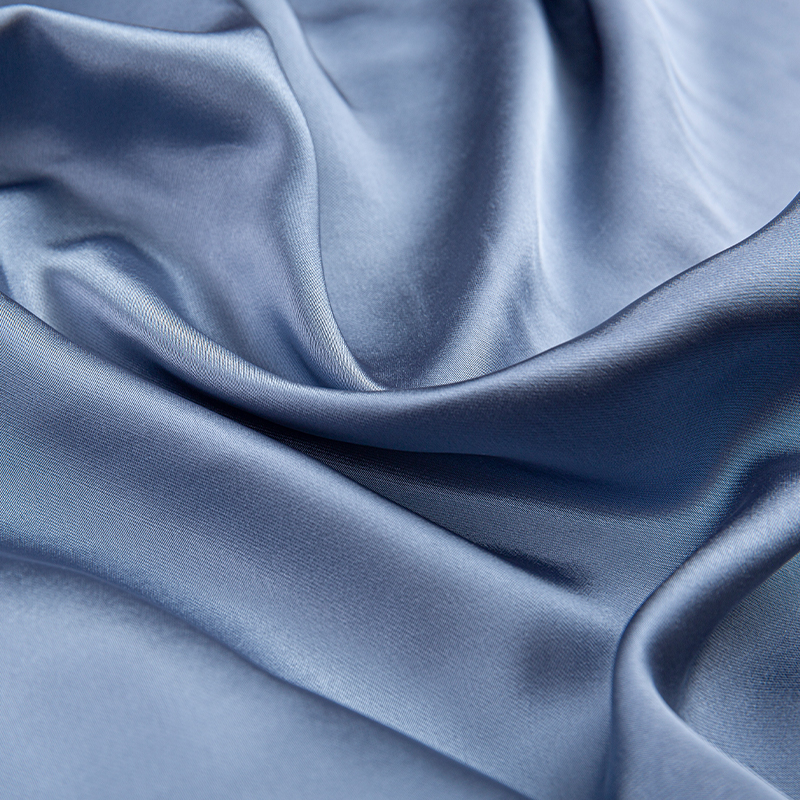
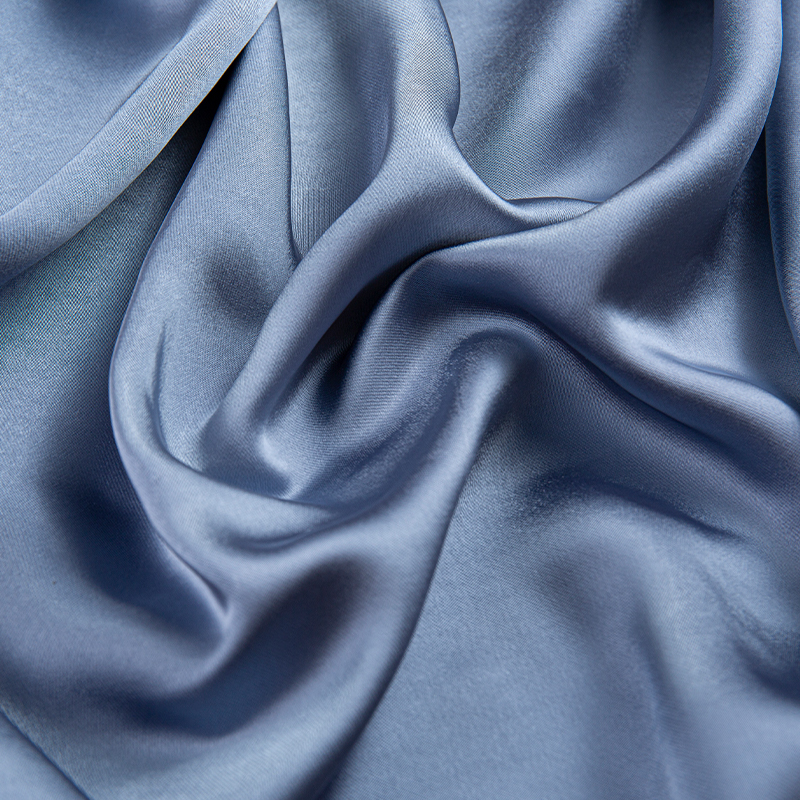
When fashion designers and bridal couturiers reach for the finest materials, heavy silk satin fabric is consistently their first choice. With a weight typically ranging from 19 momme to 30 momme, this material delivers an unmatched combination of luminous drape, structural body, and surface sheen that lightweight alternatives simply cannot replicate.
19–30mm Typical Momme Weight
4-Warp Satin Weave Structure
8x More Durable Than Lightweight Satin
Top 1% Used in High-End Couture
Is Heavy Silk Satin Suitable for Luxury Clothing and Evening Wear?
Yes — heavy silk satin is the definitive fabric for luxury clothing and evening wear. Its weight gives it a natural structural drape that holds silhouettes without boning or interfacing, making it ideal for column gowns, bias-cut dresses, and structured bodices. The satin weave floats four or more warp threads over each weft, creating that signature reflective surface that catches light at every angle on the runway or dance floor.
Luxury fashion houses including Valentino, Versace, and Oscar de la Renta have long relied on heavy silk satin for their evening collections precisely because the fabric photographs exceptionally well and moves with the body in a way that synthetic alternatives cannot match. At 22–25 momme, the fabric is heavy enough to resist transparency while remaining fluid enough to flow.
Designer Insight
Heavy silk satin at 22 momme or above is the minimum weight recommended for luxury eveningwear construction — anything lighter will lack the drape and opaqueness required for high-end silhouettes.
Heavy Silk Satin vs Lightweight Satin: Key Differences
The distinction between heavy and lightweight satin goes far beyond feel. Momme weight — the standard measure of silk fabric density — determines drape, opacity, durability, and price point. Here is a direct comparison across the most critical attributes:
| Attribute | Heavy Silk Satin (19mm+) | Lightweight Satin (8–12mm) |
| Drape Quality | Fluid, structured, body-skimming | Limp, may cling or bag |
| Opacity | Fully opaque without lining | Often sheer, requires lining |
| Durability | Resists snags and tears well | Prone to snags and pilling |
| Wrinkle Resistance | Moderate — recovers with steaming | High — wrinkles easily |
| Breathability | Excellent natural moisture management | Varies — synthetic versions trap heat |
| Ideal Use | Bridal gowns, evening wear, tailoring | Linings, casual blouses, accessories |
Does Heavy Silk Satin Wrinkle Easily? Care and Maintenance
Heavy silk satin is moderately wrinkle-resistant due to its dense weave and natural fiber resilience, but it is not wrinkle-proof. The good news: wrinkles in heavy silk satin release readily with gentle steaming, and the fabric's weight means gravity alone smooths minor creasing when garments are properly hung. Compared to lightweight silk chiffon or charmeuse, heavy satin holds its shape far better during wear.
Washing
Hand wash in cool water (30°C or below) with a pH-neutral silk detergent. Machine washing — even on delicate — risks weakening the satin weave over time.
Drying
Roll the garment in a clean towel to absorb excess water, then hang or lay flat to dry away from direct sunlight, which degrades silk fibers and fades color.
Ironing
Use a steamer rather than a dry iron. If ironing is necessary, use the lowest silk setting and always press on the reverse side through a pressing cloth.
Storage
Store folded in acid-free tissue paper or hung in a breathable garment bag. Avoid plastic bags, which trap moisture and cause silk to yellow over time.
Durability of Heavy Silk Satin for Dresses and Bridal Wear
Heavy silk satin is significantly more durable than its reputation suggests. At 19 momme and above, the tight weave structure means individual threads bear less stress per movement, reducing the risk of snags, pulls, and seam failure. Bridal designers specifically specify heavy satin at 22–30 momme for wedding gowns because these garments must withstand a full day of wear, multiple fittings, and in many cases, preservation for decades.
The primary durability risks are abrasion at hemlines and underarm stress points — both manageable with proper construction techniques including French seams and hem weights. When cared for correctly, a heavy silk satin fabric garment can last 20 to 30 years without significant degradation.
Industry standard for bridal gowns: 22–30 momme heavy silk satin — chosen for longevity, structure, and heirloom-quality appearance.
Is Heavy Silk Satin Breathable and Comfortable to Wear?
Yes — natural silk is one of the most breathable and thermoregulating fibers available. Unlike polyester satin, which traps body heat and moisture, heavy silk satin actively wicks moisture away from the skin and regulates temperature in both warm and cool environments. The protein structure of silk fiber is uniquely close to human skin, making it naturally hypoallergenic and non-irritating even for sensitive skin types.
Wearers of heavy silk satin gowns consistently report greater comfort over long events — weddings, galas, award ceremonies — compared to polyester alternatives. The weight of the fabric also means it does not cling to the body as temperature or humidity changes.
What Makes Silk Satin Fabric Ideal for High-End Fashion Design
From a design and construction standpoint, heavy silk satin offers properties that no synthetic fabric can fully replicate. Its natural sheen is multi-directional — it reflects light differently depending on viewing angle, creating depth and movement in photographs and under stage lighting. This quality is why red carpet stylists and film costume designers specify silk satin over polyester for major appearances.
- Accepts dye with exceptional saturation and color fidelity — critical for matched fashion collections
- Drapes precisely along bias cuts, enabling the fluid silhouettes that define couture construction
- Holds embroidery, beading, and embellishments without distorting the base fabric
- Responds to pleating and tucking with clean, sharp lines that maintain over time
- Compatible with both hand and machine sewing, adapting to high-volume and bespoke production equally
- Achieves a natural luster that deepens with age when properly maintained — adding heirloom value
Common Questions About Heavy Silk Satin
Is heavy silk satin worth the higher price compared to polyester satin?
For luxury garments intended to last years or decades — bridal gowns, evening wear, investment pieces — yes. The difference in drape quality, breathability, and longevity justifies the premium. For fashion items worn infrequently or styled for short-term trends, polyester satin may be sufficient.
What momme weight should I choose for a wedding dress?
22 to 28 momme is the standard range for bridal construction. Below 19 momme, the fabric may lack the body needed for structured bodices. Above 30 momme, the fabric becomes very heavy and is better suited to tailored suits or structured eveningwear than flowing gowns.
Can heavy silk satin be dry cleaned?
Yes, and for structured or embellished garments, professional dry cleaning is the recommended method. Always specify that the garment is natural silk — dry cleaners use gentler solvent cycles for silk than for synthetic fabrics.
Does heavy silk satin fray easily during garment construction?
Satin weaves are prone to fraying at cut edges due to the floating thread structure. Use sharp rotary cutters or scissors, seal raw edges with a serger or French seam immediately after cutting, and handle cut pieces minimally before stitching to prevent edge distortion.