 English
 中文简体
中文简体
Industry News
Content
Introduction: A Journey of Silky Luxury
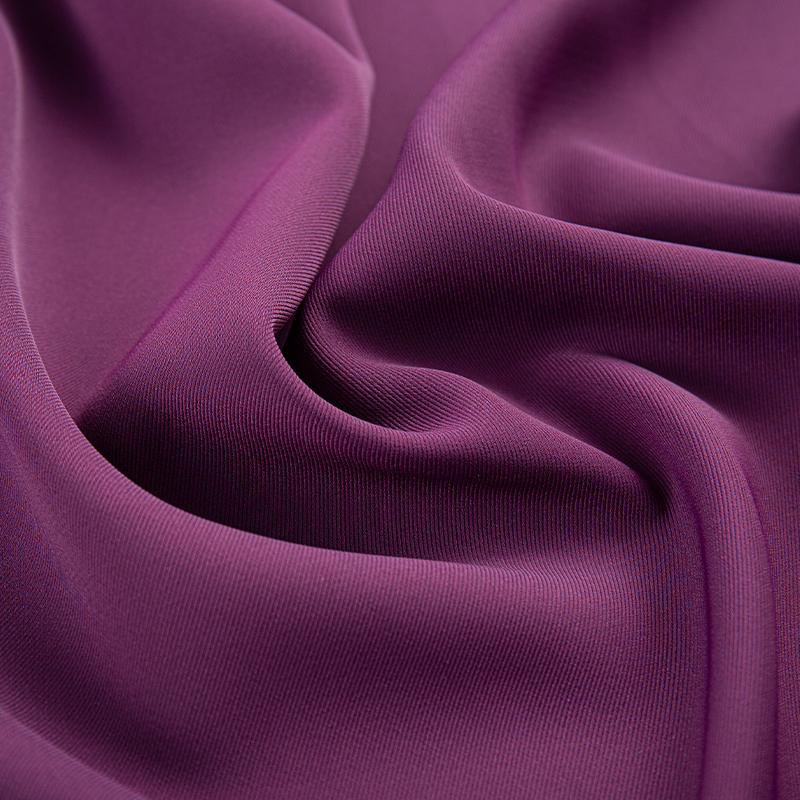
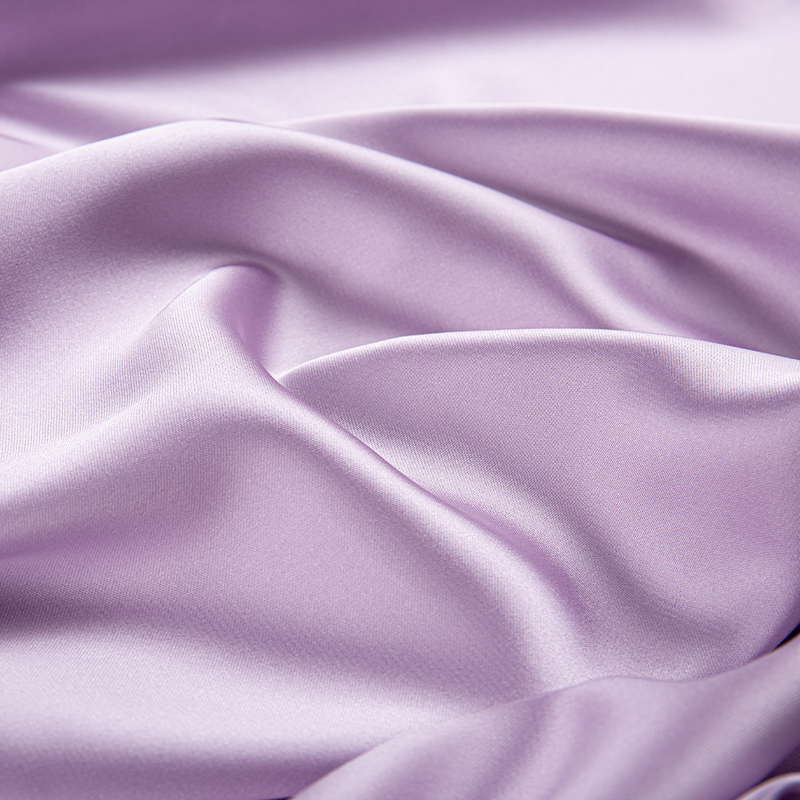
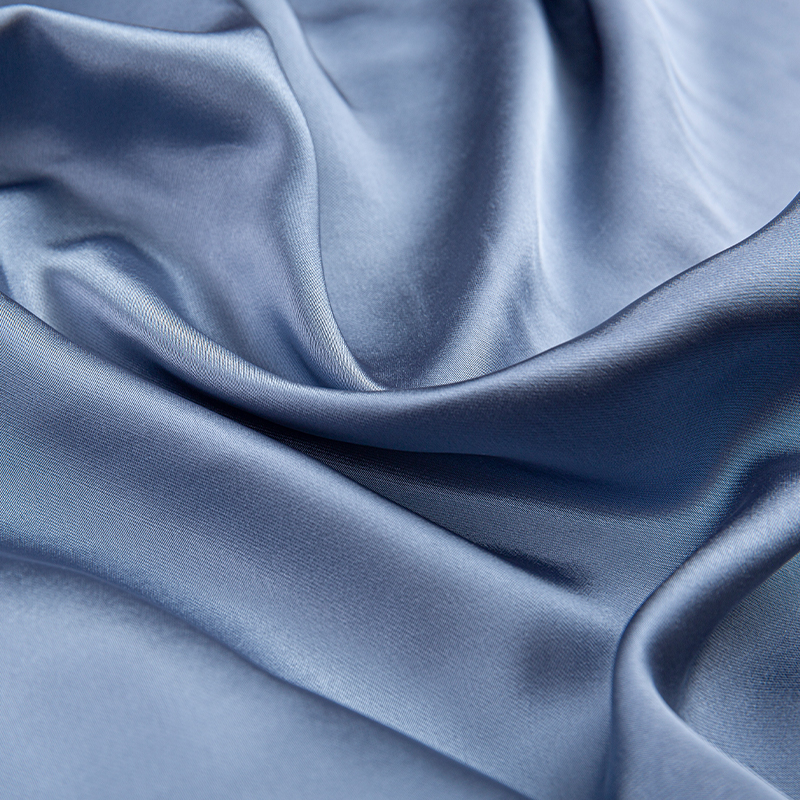
Dive into the unique charm of Satin Silk Cloth Fabric, using evocative language to describe its feel, sheen, and drape. This article will serve as a comprehensive guide, exploring its history, characteristics, applications, and how to choose and care for it.
Unveiling the Mystery of Satin Silk
1.1 What is Satin? What is Silk?
Before diving into the unique charm of Satin Silk, we must first differentiate between two core concepts: Satin and Silk. Many people confuse these terms, but they represent completely different things.
Silk is a fiber, while satin is a weaving technique.
Silk
Silk is a natural protein fiber, primarily woven from the threads spun by silkworms. It is renowned for its exceptional skin-friendliness, breathability, and moisture-wicking properties. Its texture is soft and delicate, earning it the title "Queen of Fibers." A drawback of silk is that it is relatively delicate and requires careful handling.
Satin
Satin is a unique weaving method characterized by long floating threads on the surface of the warp (longitudinal yarns) or weft (transverse yarns). This special structure gives the fabric a smooth, flat surface and a distinctive luster. Common satin weaves can be made from various fibers, including silk, polyester, or nylon.
1.2 Satin Silk: A Perfect Union
When the satin weaving technique is applied to silk fibers, it creates Satin Silk, a fabric that combines the best of both worlds. This union results in an unparalleled sense of luxury and wearing experience, making it the preferred choice for high-end apparel and home textiles.
The core advantages of Satin Silk are:
- Luster: The satin weave creates a uniformly smooth surface on the silk, reflecting a pearl-like sheen that is far more radiant than regular silk fabric.
- Drape: The dense satin weave gives the fabric an excellent drape, allowing garments to fall in a fluid, natural shape, exuding elegance.
- Feel: Combining the natural softness of silk with the smoothness of the satin structure, it offers an ultimate silky feel that is gentle on the skin.
| Characteristic | Satin (Weave) | Silk (Fiber) | Satin Silk (Fabric) |
| Nature | Weaving Technique | Natural Fiber | A fabric combining the benefits of both |
| Luster | Excellent | Good | Exceptional, like a pearl |
| Feel | Smooth | Soft | Ultimately silky, delicate on the skin |
| Source | Applicable to various fibers | Natural silkworm cocoons | Natural silkworm cocoons |
| Breathability | Depends on the fiber | Excellent | Excellent, comfortable and breathable |
From Ancient History to the Modern Wardrobe
2.1 A Legend on the Silk Road
The history of satin silk is closely tied to China's silk culture. Thousands of years ago, ancient China mastered the art of sericulture and silk reeling, creating the world's first silk fabric. As a lightweight, soft, and beautifully lustrous material, silk quickly became exclusive to royalty and the upper class.
With the opening of the famous "Silk Road," Chinese silk traveled along ancient trade routes to Central Asia, West Asia, and even Europe, becoming a symbol of Eastern civilization. As silk spread, so did weaving techniques. The satin weave, a special method known for giving fabric a stronger luster and better drape, was increasingly applied to silk, creating the even more magnificent satin silk. This fabric was not only a symbol of wealth and status but also carried the history of cultural exchange between the East and West.
2.2 A Darling of Modern Fashion
Today, satin silk is no longer exclusive to a select few; it has become an indispensable element of the modern fashion world.
- Haute Couture and Gowns: With its excellent drape and luxurious luster, satin silk is the go-to fabric for haute couture gowns and evening dresses. It perfectly outlines the body's contours, creating a fluid and elegant visual effect. On red carpets and at important events, satin silk gowns always stand out.
- Bridal Design: A pure white satin silk wedding dress, with its simple yet noble texture, has become a dream for many brides. The fabric's luster shines under the lights, highlighting the bride's purity and elegance.
- Everyday Wear: The charm of satin silk has also been integrated into everyday wear. From silk blouses and skirts to slip dresses, it adds a touch of sophistication to both office and casual outfits.
- Home Textiles and Accessories: Beyond clothing, satin silk excels in home goods, such as silk pajamas, bedding, pillowcases, and scarves. These products not only provide an unmatched comfort experience but also offer benefits for skin and hair care, combining beauty with practicality.
| Application Field | Historical Period | Modern Period |
| Main Use | Royal and noble clothing, trade goods | Haute couture, gowns, everyday wear, home textiles |
| Symbolism | Wealth, status, Eastern civilization | Elegance, luxury, quality living |
| Consumer Group | A small number of privileged classes | General fashion consumers |
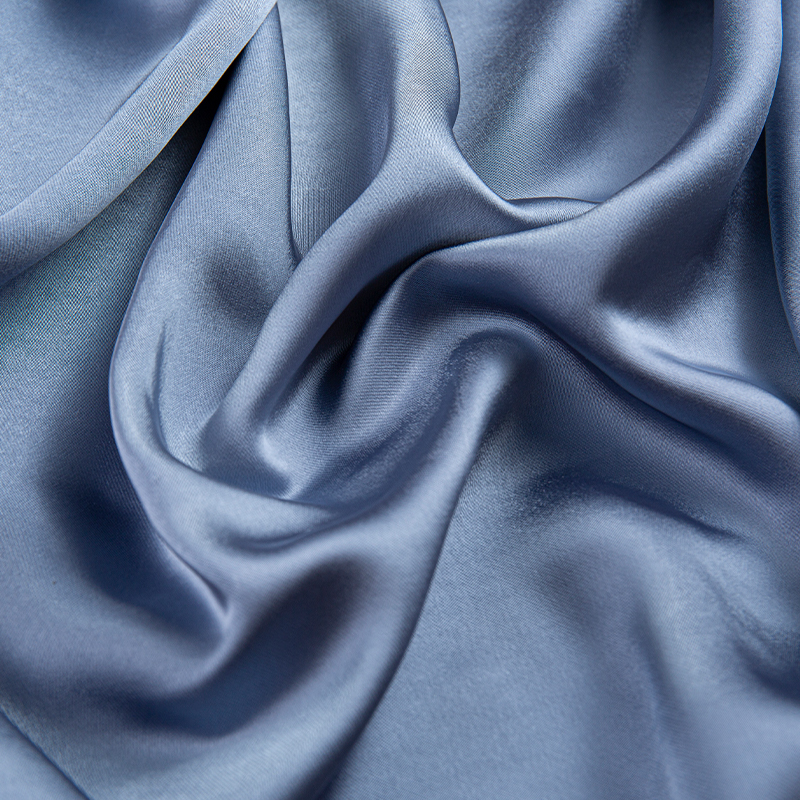
HY263 150cm 266GSM twill imitation acetate CEY satin women's clothing fabric
How to Identify and Select High-Quality Satin Silk
To select truly high-quality satin silk fabric, you need to master some key identification methods. This is not only to ensure value for money but also to obtain the most comfortable and durable product.
3.1 An Important Metric: Momme
Momme (mm) is a crucial unit for measuring the quality and thickness of silk fabric. While not exclusive to silk, it is particularly useful due to the lightweight nature of silk fabrics. Simply put, the higher the momme count, the heavier and denser the fabric, and the higher the cost.
- Momme Calculation: 1 momme equals 4.3056 grams per square meter. This means if a silk product has a momme count of 19mm, its fabric weight is approximately $19 \times 4.3056 \approx 81.8$ grams per square meter.
Purchasing Advice:
- 16-19 Momme: This is the most common momme count for silk products, typically used for blouses, dresses, and scarves. This fabric is lightweight and breathable, with a soft feel, suitable for everyday wear.
- 22-25 Momme: Considered high-grade silk, often used for bed sheets, pillowcases, and high-quality pajamas. This momme count is thicker, more durable, has a better drape, and is less prone to wrinkling.
- 30 Momme and above: This is top-tier silk. The fabric is heavy, with an excellent texture, and is usually used for custom-made gowns or luxurious home textiles, making it significantly more expensive.
3.2 Identification by Touch and Luster
Differences Between Satin Silk and Imitation Satin
To distinguish between satin silk and common imitations (like polyester satin), you can compare them based on the following aspects:
| Feature | Satin Silk | Polyester Satin |
| Luster | Soft, pearl-like sheen that changes with the angle of light. | Harsh, overly bright reflection that looks unnatural. |
| Feel | Warm, silky, skin-friendly, with a slight rustling sound when rubbed. | Cold, smooth but not skin-friendly; no sound when rubbed. |
| Burning | Smells like burning hair or feathers; the ash is a fragile powder. | Smells like melting plastic; the ash is a hard lump. |
| Drape | Soft and fluid, naturally conforming to the body's curves. | Relatively stiff, the drape is unnatural and can look bulky. |
| Breathability | Moisture-wicking and breathable, comfortable for summer. | Non-breathable, tends to feel stuffy and less comfortable. |
3.3 Common Types of Satin Silk
In addition to momme count, knowing some common types of satin silk can help you make a better choice:
- Charmeuse: The most common type of satin silk. One side is smooth and lustrous, while the other has a matte crepe-like texture. It feels soft and has a good drape.
- Heavyweight Silk: Refers to silk fabric of 22 momme and above. It is named for its weight, and its characteristics are durability and wrinkle resistance.
- Habotai: The structure is flatter than Charmeuse, with less luster. It feels lightweight and soft, often used for linings or lightweight scarves.
Meticulous Care for Lasting Luxury
Satin silk fabric is known for its delicacy, and proper cleaning and care are crucial for extending its lifespan and maintaining its luster and feel. Just like with precious jewelry, careful handling ensures that this luxury lasts.
4.1 Correct Cleaning Methods
The principle of cleaning silk products is "gentle." Incorrect methods, such as using strong alkaline detergents, vigorous rubbing, or sun exposure, can severely damage silk fibers.
| Cleaning Method | Recommended Steps | Important Notes |
| Hand Washing | 1. Use cold water or water below 30°C. 2. Add a small amount of silk-specific detergent or neutral shampoo. 3. Soak the garment for 5-10 minutes and gently squeeze by hand. 4. Rinse thoroughly with clean water. 5. Gently blot dry with a towel; do not wring. |
Avoid using bleach, laundry powder, or other strong alkaline detergents. Do not soak for too long to prevent color fading. |
| Machine Washing | 1. Place the garment in a laundry bag. 2. Select the "delicate," "hand wash," or "silk" cycle on your machine. 3. Use a silk-specific detergent. 4. Set a low-temperature or no-spin mode. |
Ensure your washing machine has a dedicated delicate cycle; otherwise, machine washing is not recommended. Wash separately from rough items to prevent snagging. |
4.2 Daily Care and Storage
Proper daily care helps satin silk products maintain their lasting brilliance.
- Drying: Air dry in a cool, ventilated area. Avoid direct sunlight, as UV rays can damage silk fibers, causing the fabric to yellow and fade.
- Ironing: It's best to iron when the garment is semi-dry or with a cloth placed over it. The temperature should be below 110°C, and a steam iron should be used to avoid direct high heat.
- Storage: Satin silk garments should be hung on wide-shouldered hangers to maintain their shape. If folding is necessary, place acid-free tissue paper at the folds and store in a breathable garment bag, away from sharp objects.
- Moth Prevention: Since silk is a natural protein fiber, it is susceptible to moths. You can place natural moth repellents, such as cedar blocks or lavender sachets, in your wardrobe, but avoid direct contact with the fabric.
Timeless Elegance and Investment
Satin silk, a product of the perfect union between a natural fiber and exquisite craftsmanship, has long transcended mere fabric to become a symbol of taste and a way of life. It combines the skin-friendly comfort of silk with the magnificent luster of satin, providing an unparalleled sensory and visual feast.
Investing in a high-quality satin silk product is not just adding a luxurious item to your wardrobe; it's an investment in your quality of life. Its softness, its sheen, and its drape all convey a sense of understated luxury and timeless elegance. With proper care and maintenance, this beauty can last for years to come.
Whether for a special occasion or integrated into daily life, satin silk, with its unique charm, reminds us to appreciate every bit of refinement and beauty. It brings not only external magnificence but also an inner sense of confidence and poise.