 English
 中文简体
中文简体
Home / News / Industry News / Why Satin Silk Fabric Has Become the Top Choice for High-End Apparel and Home Textiles
Industry News
Content
In the realm of high-end fabrics, satin silk fabric is highly favored by designers and consumers due to its unique luster, smooth texture, and luxurious feel. Whether it is elegant evening gowns, wedding dresses, or home décor items such as curtains and cushions, this fabric can impart an extraordinary quality and elegant atmosphere. As consumers increasingly demand comfort and superior tactile experience, satin silk fabric has gradually become the first choice in both fashion and home textiles.
This article will provide a comprehensive professional guide by analyzing the unique properties, fashion applications, comfort experience, versatile uses, and maintenance methods of satin silk fabric.
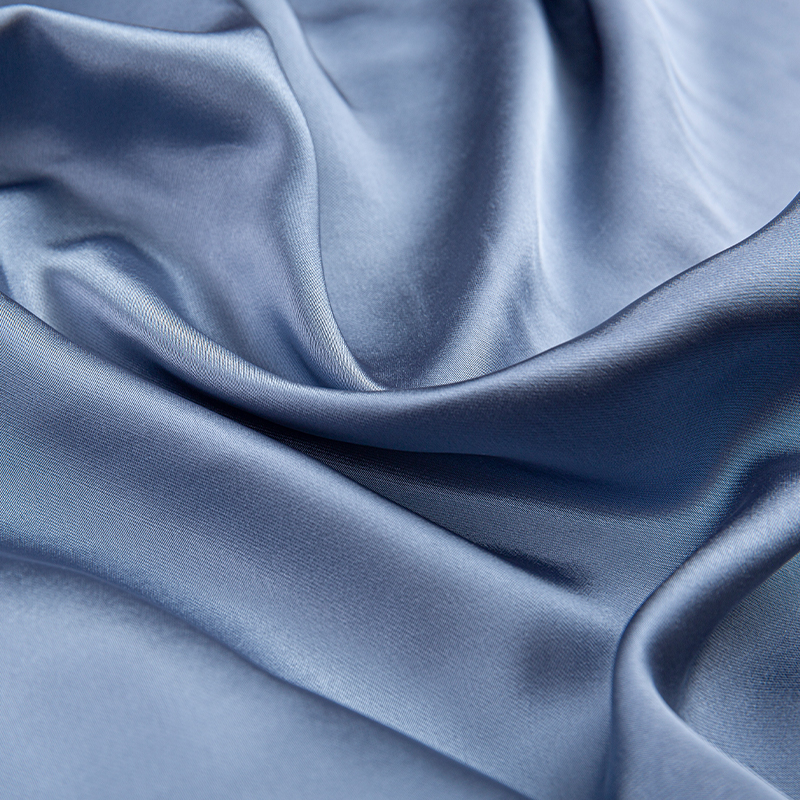
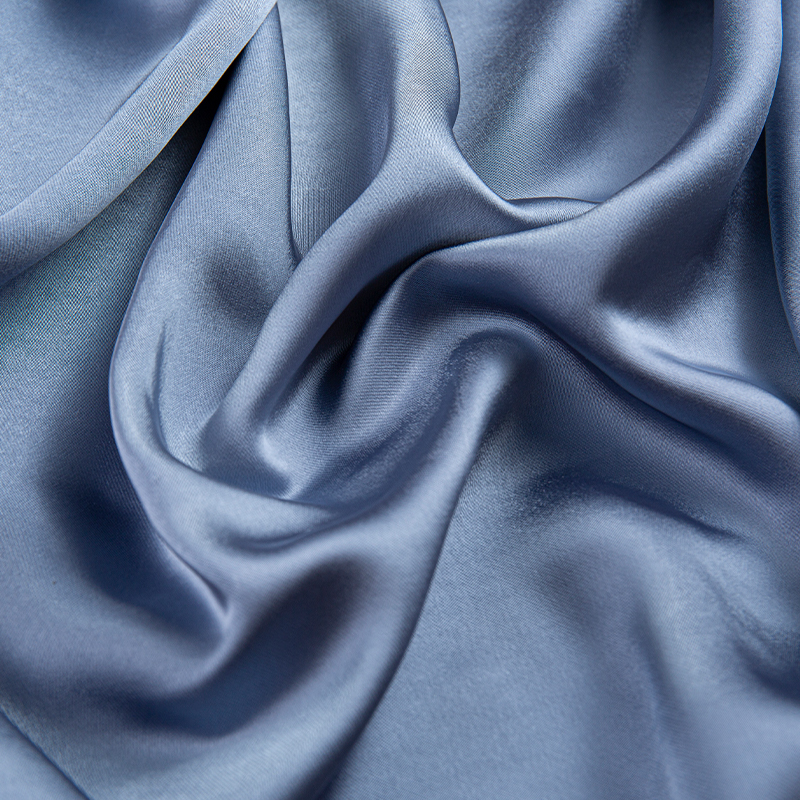
One of the most notable features of satin silk fabric is its unique luster. Unlike ordinary silk or cotton, the satin weave creates a smooth, mirror-like surface that reflects light in a soft and rich way. This visual sophistication makes the fabric highly attractive in both clothing design and home decoration.
Designers often use satin silk to create luxurious effects in high-end evening gowns and wedding dresses. The way the fabric reflects light creates natural layers of brightness and shadow, allowing garments to display diverse visual effects from different angles, enhancing the wearer’s presence and elegance.
The satin weave of the fabric ensures that fibers are smooth and densely packed, providing an excellent tactile experience. The fabric feels soft and delicate, making it comfortable against the skin. This touch not only meets consumer demand for comfort but also enhances the competitiveness of high-end apparel.
For form-fitting gowns or home bedding, the softness and smoothness are critical. Designers often select high-density, long silk fibers to ensure both beauty and comfort. The softness reduces skin friction, enhances wearing experience, and maintains natural drape and elegant flow.
Although silk is often considered delicate, high-quality satin silk is crafted to balance beauty and durability. The dense satin weave prevents fiber loosening and improves abrasion and wrinkle resistance. This durability allows the fabric to maintain its luster and soft feel even after long-term use, whether in apparel or high-end home textiles.
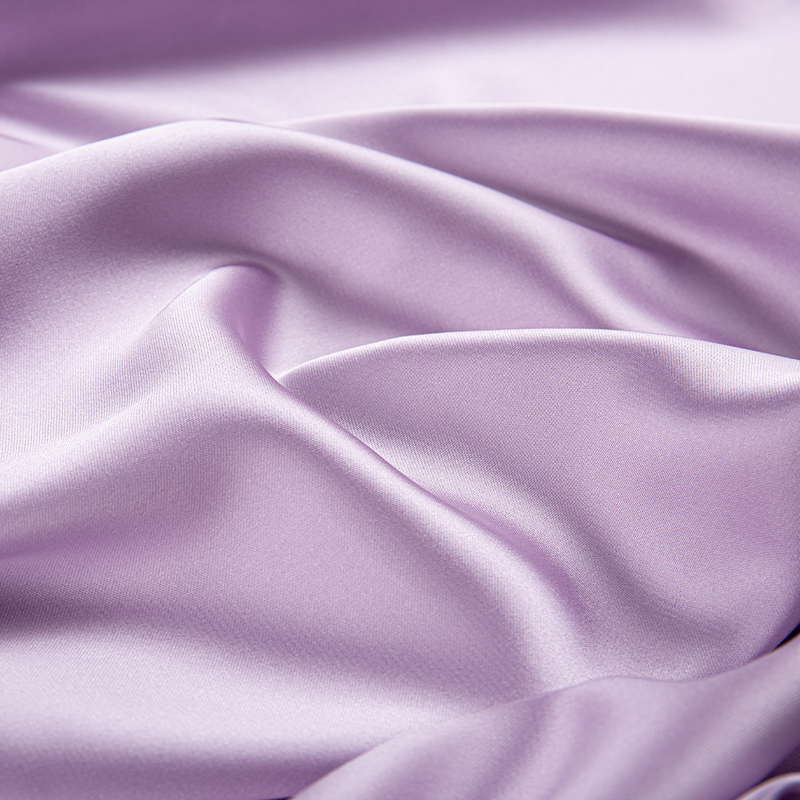
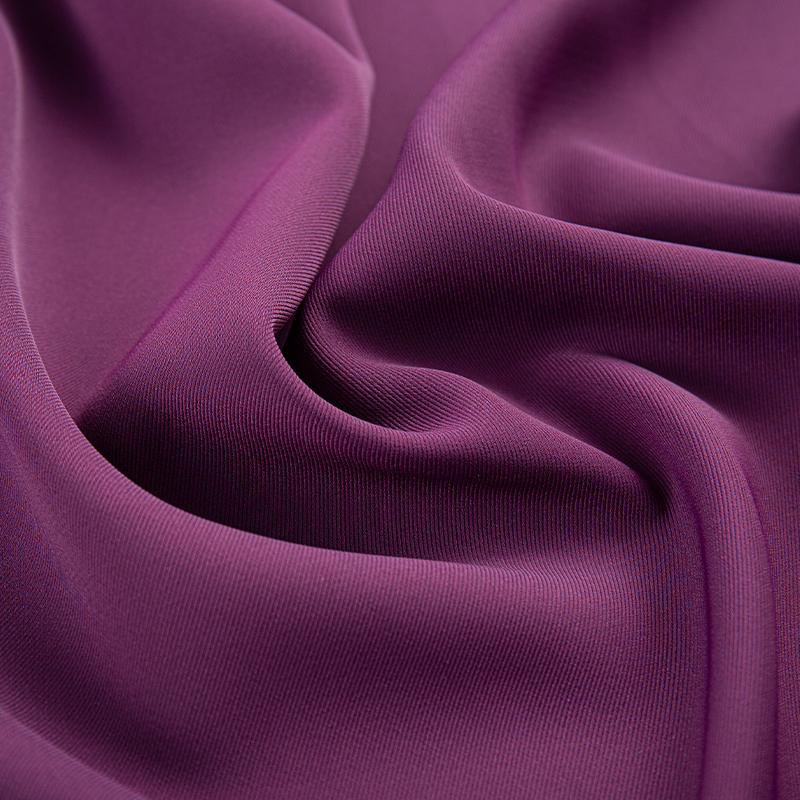
HY323 weft elastic satin fabric for clothing, dresses, high-end underwear
Silk fibers provide natural elasticity, softness, and smoothness. Compared to synthetic fibers, silk is more breathable and moisture-absorbent, effectively regulating body temperature. Even during hot summers, garments or home textiles made from satin silk remain dry and comfortable.
Silk is skin-friendly and low-irritant, suitable for sensitive skin. Designers often use silk in high-end gowns, sleepwear, and home textiles to provide supreme comfort.
The softness of satin silk directly affects the wearing experience. The fabric is smooth, fits the skin without restriction, and creates natural, flowing garment lines. This is why designers favor satin silk for evening gowns, wedding dresses, and other high-end apparel.
The soft nature enhances the drape and structure of garments, creating an elegant visual effect. Whether the shoulder falls naturally or the skirt flows lightly, satin silk perfectly expresses the designer’s creative intent.
High-quality silk naturally protects the skin. Its protein fibers reduce friction, helping prevent fine lines and skin pressure. When used in intimate apparel, sleepwear, or bedding, satin silk provides a “second skin” experience, offering a healthier wearing sensation in daily life.
In home decoration, satin silk is ideal for bedding, cushions, curtains, and tablecloths due to its luster and soft texture. The smooth surface feels comfortable and creates an elegant visual effect through light reflection, giving spaces a warm and luxurious atmosphere.
Its natural breathability and moisture absorption keep beds dry and enhance sleep comfort. The dense fibers extend the lifespan of bedding, maintaining softness and shine for long-term high-end quality.
Satin silk is widely used in interior décor and artistic design. Designers leverage the fabric’s luster and smooth feel to create curtains, wall hangings, and cushions, adding elegance and refinement to living spaces.
Its flexibility makes it suitable for various processing techniques, such as dyeing, embroidery, and patchwork. By combining modern design concepts, satin silk can produce artistic yet practical high-end interior products.
In luxury business gifts, satin silk is widely applied to scarves, ties, and handbags, elevating product quality and reflecting the giver’s taste. Its luster and soft touch make gifts more appealing and collectible.
The high-end characteristics of the fabric allow for customization, including personalized embroidery and logos, making gifts unique. High-quality satin silk gifts are not just items, but symbols of lifestyle and elegance.
Satin silk is a core fabric in evening gown and wedding dress design. Its luster and drape create a unique visual effect, making garments shine under lights.
Designers utilize the fabric’s softness and drape to craft multi-layered skirts, flowing collars, and body-conforming cuts. This enhances the garment’s elegance and elevates the wearer’s presence for formal events and red-carpet occasions.
Beyond high-end formalwear, satin silk is also used in casual clothing, including shirts, dresses, sleepwear, and loungewear. Its smoothness and sheen improve both comfort and aesthetic appeal.
The lightweight nature allows freedom of movement while presenting a subtle glow, transforming everyday wear into comfortable yet stylish outfits.
Modern designers often mix satin silk with other materials like wool, cotton, or synthetics to retain sheen and softness while adding structure and durability. By employing pleats, patchwork, and embroidery, garments gain unique design effects. Satin silk meets the dual demands of fashion and comfort for a wide range of occasions.
High-quality satin silk requires careful washing to preserve its luster and softness. Silk fibers are sensitive to temperature, friction, and chemicals. Hand washing or professional dry cleaning is recommended.
For hand washing, maintain water temperature at 25°C–30°C, avoiding alkaline or bleaching detergents. Wash gently without vigorous rubbing. Rinse thoroughly and gently squeeze out water without twisting to protect the fibers.
For luxury garments or bedding, professional dry cleaning is recommended to extend fabric life and maintain its original luster and feel.
Dry silk flat or hang in a cool, ventilated area, avoiding direct sunlight to prevent fading and fiber damage. Silk is sensitive to heat and UV rays.
Iron on the reverse side or use low-temperature steam. Cover with a clean cloth when ironing to protect the sheen. Proper ironing restores natural drape and keeps garments smooth and elegant.
Avoid humid environments to prevent mold. Use breathable fabric bags instead of plastic. Keep fabric flat, minimizing folds that create permanent creases. Acid-free paper can be placed in folds to reduce pressure and maintain longevity.
As consumers pursue high-quality lifestyles, satin silk continues to see strong demand in both apparel and home textiles. High-end brands emphasize fabric texture, comfort, and visual effect, giving silk products a stable market share in evening wear, wedding dresses, bedding, and curtains.
Environmental and sustainability considerations are increasingly important. Silk’s natural fiber properties give it advantages in comfort, health, and eco-friendliness, ensuring competitive strength in future markets.
Modern designers explore new uses and expressions of silk. Through dyeing, embroidery, patchwork, and blending, silk appears in both formal wear and casual apparel, as well as home décor and art. Its flexibility allows designers to merge traditional elegance with modern design concepts, producing visually striking yet practical high-end products.
Advances in textile technology have enhanced silk in dyeing, blending, and functional improvements. Eco-friendly dyeing reduces chemical pollution, blending increases durability, and functional silk offers wrinkle resistance and anti-static properties. These innovations retain silk’s traditional advantages while meeting diverse modern consumer needs.
From fabric properties to comfort, versatility, fashion applications, care, and market trends, satin silk is undoubtedly indispensable in high-end apparel and home textiles. It combines exquisite luster, smooth touch, durability, and comfort, enhancing the beauty of luxury gowns, wedding dresses, evening wear, and home furnishings.
With rising consumer expectations for texture, comfort, and quality of life, satin silk will continue to be the top choice in high-end markets. Through proper design and care, every silk product maintains lasting luster and soft touch, offering wearers and users a sense of elegance and luxury.

Phone: +86 18806251599
TEL: +86 0512 63062555

Address: No. 1788, Yuanqu Road, Shengze Town, Wujiang District, Suzhou City, Jiangsu Province, China