 English
 中文简体
中文简体
Industry News
Content
Introduction to Satin Silk Fabric
The world of textiles is vast and varied, yet few materials command the immediate recognition and association with luxury quite like satin silk fabric. To understand this specific fabric, it is essential first to distinguish its two components: "silk" and "satin." Silk is a natural protein fiber produced by silkworms, renowned for its strength, shimmering appearance, and smooth handle. Satin, conversely, is not a fiber but a type of weave characterized by a high number of interlacings, where the warp yarns dominate the surface. This specific weave structure creates a fabric with a characteristically glossy front and a dull back. When these two elements combine—the luxurious silk fiber woven with the satin weave—the result is a satin silk cloth fabric of exceptional quality. This material has been coveted for centuries, symbolizing elegance, opulence, and refinement across countless cultures and applications, from royal garments to high-end interior design. Its enduring popularity is a testament to its unique combination of aesthetic appeal and practical benefits, standing apart from synthetic imitations.
What is Satin Silk?
At its core, satin silk is a textile defined by its construction. It is crucial to clarify that satin refers to the weave, while silk refers to the fiber. A satin weave can be produced using various fibers, including polyester, nylon, or rayon, resulting in a fabric often simply called "satin." However, when the fiber used is 100% silk, the resulting material is authentically termed silk satin fabric or satin weave silk. This distinction is vital for understanding quality, cost, and performance. The satin weave is technically defined by a thread count where one warp yarn floats over multiple weft yarns (e.g., a 4-harness satin weave) before passing under one. These long "floats" are what create the smooth, unbroken surface that reflects light so effectively.
The unique characteristics of a satin silk cloth fabric stem directly from this marriage of fiber and weave. The inherent smoothness and light-reflecting triangular prism structure of silk fibers are amplified by the long, floating yarns of the satin weave. This produces an unparalleled lustrous sheen that is deep and rich, rather than superficial. The fabric possesses a remarkably smooth, soft texture that feels cool and luxurious against the skin. Furthermore, the satin weave contributes to a fluid, elegant drape, allowing the fabric to flow and move gracefully, which is why it is so highly prized for garments and curtains. The combination results in a material that is not only beautiful but also strong and breathable, thanks to the natural properties of the silk fiber. The weight and thickness of the final satin silk textile can vary significantly based on the thickness of the silk yarns used and the density of the weave, leading to a spectrum of fabrics from delicate lightweight satin silk to substantial heavy satin silk for bridal ensembles.
Types of Satin Silk Fabrics
The category of satin silk is not monolithic; several distinct types exist, each with unique properties tailored for specific uses. The variations arise from differences in the weaving techniques, yarn thickness, and finishing processes. Understanding these types is key to selecting the right material for any project.
One of the most common and recognizable types is charmeuse silk. Often used interchangeably with the term "satin silk" in fashion contexts, charmeuse is a lightweight satin silk fabric with a supremely glossy face and a dull, crepe-like back. It is exceptionally fluid and has a beautiful drape, making it ideal for lingerie, blouses, scarves, and flowing evening wear. Its delicate nature requires careful handling. The term silk charmeuse satin specifies this particular construction.
For projects requiring more versatility, crepe back satin silk is an excellent choice. This fabric is essentially a reversible material. One side has the characteristic smooth, glossy finish of a satin weave, while the reverse side has a crinkled, textured crepe appearance. This duality allows designers to create garments with two looks in one, adding depth and interest to designs. It is a popular choice for reversible jackets, capes, and detailed apparel where both sides of the fabric may be visible.
When structure and body are needed, duchess satin is the preferred option. This is a heavy satin silk fabric that is noticeably stiffer and less pliable than charmeuse. Its substantial weight and firm hand make it a premier choice for structured garments that need to hold their shape, such as bridal gowns, evening jackets, and high-quality corsetry. Its sheen is more subdued and dignified compared to the high gloss of charmeuse. Bridal satin silk fabric often refers to a quality similar to duchess satin.
Other notable variations include double-faced satin silk, which has a glossy surface on both sides, making it ideal for unlined projects like scarves or blankets where both sides will be seen. Stretch satin silk incorporates a small percentage of spandex into the weave, providing added ease and comfort for form-fitting garments like sheaths and lingerie. The base quality of the silk itself is also a factor; mulberry silk satin, made from the finest, longest strands of silk from Bombyx mori silkworms, represents the highest grade available.
The differences between these types primarily concern weight, stiffness, and luster intensity. Choosing the correct type—whether a silk satin drape fabric for curtains or a structured satin silk for gowns—is fundamental to the success of any project.
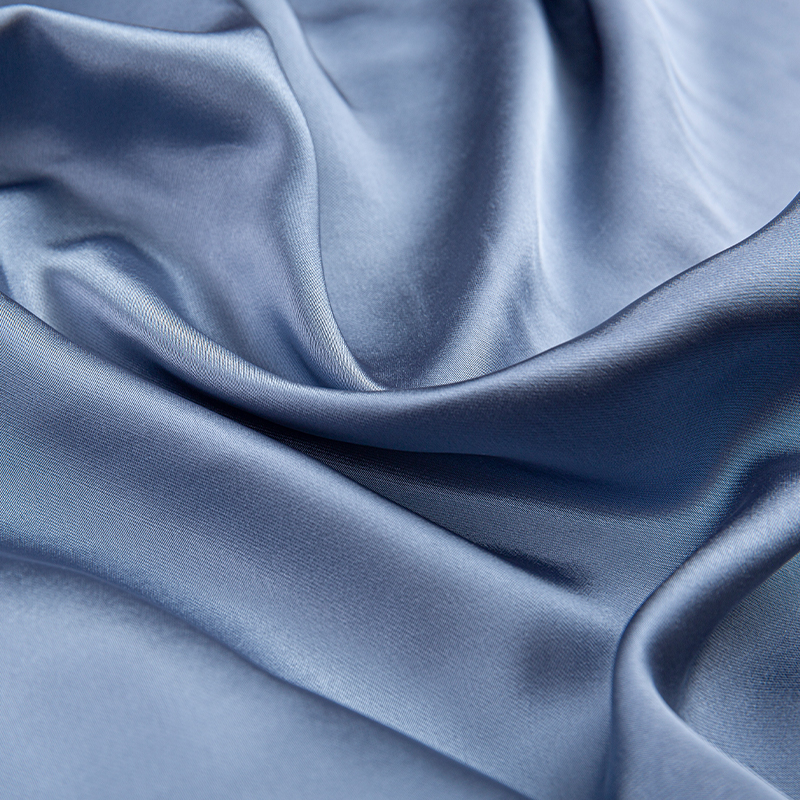
HY263 150cm 266GSM twill imitation acetate CEY satin women's clothing fabric
Properties and Benefits of Satin Silk
The appeal of satin silk cloth fabric extends far beyond its visual splendor. Its physical properties offer a range of benefits that justify its status as a premium material.
Luxurious Feel: The most immediate benefit is the sensory experience. The smooth, soft texture of satin silk is gentle on the skin, reducing friction. This is particularly beneficial for sleepwear and bedding, as it can help prevent hair breakage and skin creasing.
Elegant Drape: The combination of the heavy silk fiber and the long floats of the satin weave gives the fabric a fluid, heavy drape that is both graceful and flattering. It falls in soft folds, enhancing the silhouette of garments and adding a touch of sophistication to home decor like drapes.
Lustrous Sheen: The signature gloss of satin silk is its most defining feature. This sheen is a result of light reflecting off the continuous, unbroken surface of the warp yarns. This property makes it a standout choice for evening wear and decorative items, where capturing light is desired.
Breathability and Thermoregulation: As a natural protein fiber, silk is inherently breathable and hygroscopic, meaning it can absorb a significant amount of moisture vapor without feeling damp. It allows air to circulate and wicks moisture away from the body, helping to regulate temperature. This makes satin silk fabric comfortable to wear in various climates, unlike synthetic satins which can feel clammy.
Durability: Despite its delicate reputation, silk is one of the strongest natural fibers. When woven in a dense satin weave, the resulting fabric is surprisingly resilient and long-lasting when given proper care. Its strength-to-weight ratio is impressive, contributing to its endurance. A high-quality satin silk cloth fabric can last for decades.
| Property | Description | Benefit |
|---|---|---|
| Lustrous Sheen | High light reflection due to satin weave structure and silk’s prism-like fibers. | Creates an elegant, luxurious appearance for fashion and decor. |
| Smooth Handle | Exceptionally soft and smooth surface texture with minimal friction. | Comfortable against the skin; ideal for silk satin sheets / pillowcases and lingerie. |
| Excellent Drape | Fluid and heavy fall of the fabric due to the weight of silk and weave structure. | Flatters the body in garments; elegant in home decor applications like silk satin for home decor / curtains. |
| Hygrascopic & Breathable | Can absorb moisture and allow air circulation. | Helps regulate body temperature; comfortable to wear in different seasons. |
| High Tensile Strength | Naturally strong fiber, enhanced by the dense weave. | Durable and long-lasting with appropriate care, making it a worthwhile investment. |
| Thermoregulating | Adapts to body temperature, providing warmth in cool conditions and coolness in warmth. | Enhances comfort in both luxury satin silk for gowns and sleepwear. |
Common Uses of Satin Silk Fabric
The versatility of satin silk cloth fabric is evident in its wide range of applications across fashion, home decor, and accessories. Its ability to bridge the gap between aesthetic beauty and functional performance makes it a perennial favorite.
In the realm of Fashion, satin silk is a cornerstone of elegance. It is the fabric of choice for special occasion wear, including breathtaking evening gowns and exquisite bridal satin silk fabric, where its luminosity and drape create a stunning visual impact. For lingerie and sleepwear, its smoothness provides comfort and a touch of luxury. Items like blouses, neckties, and scarves also benefit from the fabric’s refined sheen and feel. Silk satin dress fabric is available in a vast array of weights and finishes to suit everything from a flowing slip dress to a structured cocktail dress. Printed satin silk fabric and various dyed silk satin options, such as green satin silk fabric, allow for immense creative expression.
In Home Décor, satin silk introduces opulence and functionality. Silk satin sheets and pillowcases are sought after for their skin and hair benefits, as well as their ability to regulate temperature during sleep. As drapery or upholstery fabric, silk satin for home decor / curtains adds a dramatic, rich texture to a room, with its light-reflecting qualities enhancing the ambiance. Its durability makes it suitable for these applications, provided it is protected from direct sunlight to prevent fiber degradation. Satin silk for lining is also a premium choice for coats and jackets, providing a smooth, comfortable interior.
The fabric is also widely used for Accessories. Handbags, clutches, and evening bags made from satin silk offer a sophisticated alternative to leather. Smaller items like hair scrunchies and decorative scarves utilize smaller cuts of fabric, allowing for an accessible entry point into using this luxurious material. The range of finishes, from finished silk satin that is pre-washed for stability to lustrous new rolls, provides options for every need.
How to Care for Satin Silk
Proper care is essential to maintain the beauty and integrity of satin silk cloth fabric. Due to the delicate nature of the silk fiber, specific handling methods are recommended to ensure its longevity. The care required can also depend on the finish; for instance, a washed or pre-finished silk satin may have different shrinkage and care properties compared to a new silk satin bolt.
Washing: The safest method for cleaning satin silk is hand washing. Use lukewarm or cool water and a mild, pH-neutral detergent specifically designed for silk. Agitate the water gently, submerge the item, and soak for no more than three to five minutes. Avoid wringing or rubbing the fabric harshly. Rinse thoroughly in cool water until all soap residue is gone. While some modern finished silk satin may be labeled as machine washable, this should be done with extreme caution on a gentle, cold cycle inside a mesh laundry bag. Always check the care instructions if available.
Drying: After washing, the fabric should be air-dried away from direct heat and sunlight. Do not use a tumble dryer, as the high heat can damage the silk fibers and cause irreversible damage. To remove excess water, roll the garment in a clean, absorbent towel. Then, lay it flat on a drying rack or hang it on a padded hanger to dry completely. This prevents water spots and helps the garment retain its shape.
Ironing: Satin silk often requires ironing to restore its smooth finish after washing. It is crucial to iron on a low heat setting (silk or wool setting). Never use a steam setting directly on the fabric, as it can leave water marks. Always iron the fabric while it is still slightly damp. To protect the glossy surface from scorching or creating shine marks (known as "glazing"), iron on the reverse side or place a pressing cloth, such as a clean cotton muslin, between the iron and the fabric.
Stain Removal and Storage: For stains, prompt action is key. Blot spills immediately with a clean, absorbent cloth. For oil-based stains, a small amount of talcum powder or cornstarch can be applied to absorb the oil before brushing it off. For long-term storage, satin silk items should be clean and placed in a cool, dry place. Use breathable garment bags instead of plastic, which can trap moisture and cause yellowing. To prevent creasing, fold garments neatly rather than hanging them for extended periods, as this can stress the fibers, especially with heavier items like heavy satin silk for bridal gowns.
Where to Buy Satin Silk Fabric
Sourcing high-quality satin silk cloth fabric requires attention to detail and an understanding of the specifications that denote quality. It is available through various channels, each with its own advantages.
Online retailers offer a vast selection of types, colors, and weights, from lightweight satin silk to heavy satin silk for bridal collections, often providing the convenience of purchasing satin silk by the yard. This is an excellent source for printed satin silk fabric and a wide range of color variants. However, buying online necessitates careful scrutiny of product descriptions, customer reviews, and, most importantly, ordering swatches to verify color accuracy, weight (often listed as GSM), and hand-feel. Reputable suppliers will provide detailed specifications, including fiber content (e.g., 100% silk satin fabric), width (e.g., silk satin 58/60" width), and finish.
Specialty fabric stores provide the significant benefit of seeing and feeling the fabric before purchase. Knowledgeable staff can often offer advice on the best type of satin silk for a specific project, whether it’s satin silk for lining or silk satin for home decor. When purchasing, key considerations include:
- GSM (Grams per Square Meter): This objective measure indicates the fabric’s weight and substance. A higher GSM generally denotes a heavier, more opaque, and more durable fabric.
- Fiber Content: Ensure it is 100% silk satin if that is the requirement, or understand the properties of a mix-blend satin like silk/polyester or silk/rayon, which offer different price points and performance characteristics.
- Width: The standard width for many silk satins is 58/60 inches.
- Finish: Determine if the fabric is pre-finished or mercerized for added luster and stability, or if it is raw and may require pre-washing.
- Ethical Considerations: For those seeking specific ethical standards, options like peace silk satin (where the silkworm is allowed to emerge from the cocoon before harvesting) or organic silk satin may be available.
For larger projects, purchasing a full silk satin roll/bolt or exploring wholesale silk satin and OEM silk satin supply options can be more cost-effective. Businesses involved in export / import silk satin fabric typically deal in these larger quantities of contract / specification grade silk satin.
Conclusion
Satin silk cloth fabric represents a pinnacle of textile craftsmanship, blending the inherent luxury of silk with the radiant beauty of the satin weave. Its properties—a brilliant sheen, a sensuously smooth hand, an elegant drape, and natural breathability—make it a uniquely versatile material. From the runway to the bedroom, its applications are as diverse as they are sophisticated. While it demands careful maintenance, the reward is a durable and timeless fabric that retains its allure for years. Whether you are a designer sourcing silk satin dress fabric, a homemaker selecting silk satin sheets, or simply an admirer of fine textiles, understanding the nuances of satin silk—from the different types like charmeuse and duchess to the critical care instructions—empowers you to make informed choices and fully appreciate the exceptional qualities of this remarkable fabric. Its ability to combine beauty with performance ensures its continued status as a symbol of luxury and refinement.