 English
 中文简体
中文简体
Home / News / Industry News / How to Choose Satin Silk Cloth Fabric for Fashion, Apparel and Luxury Textile Applications
Industry News
Content
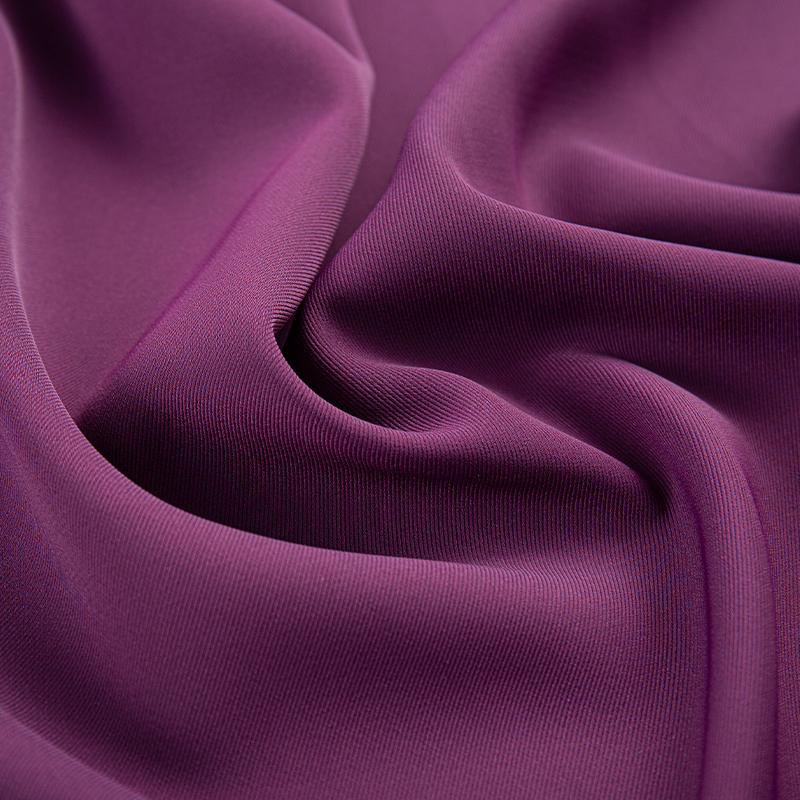
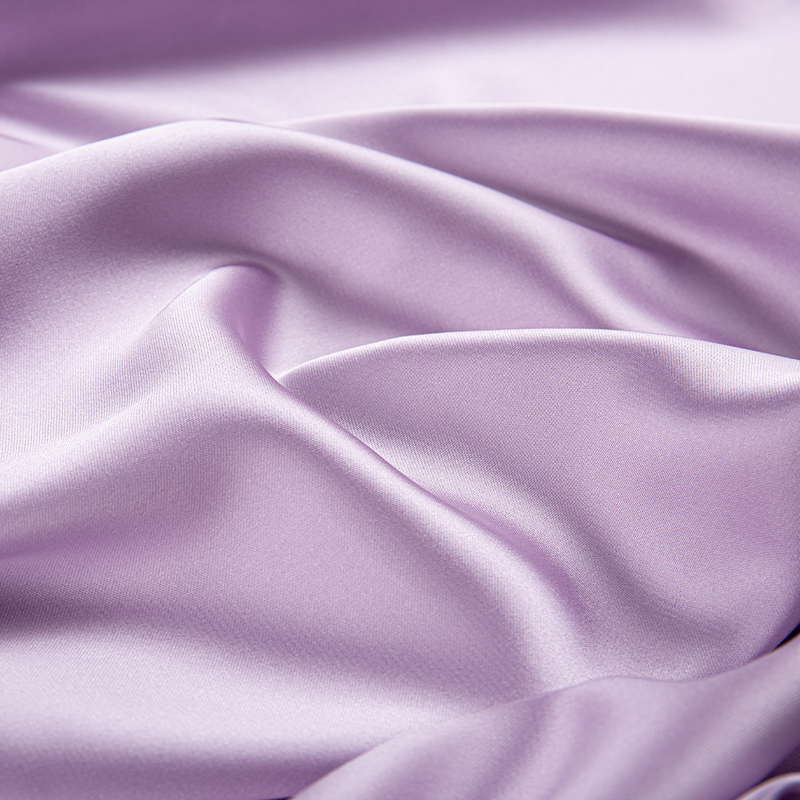
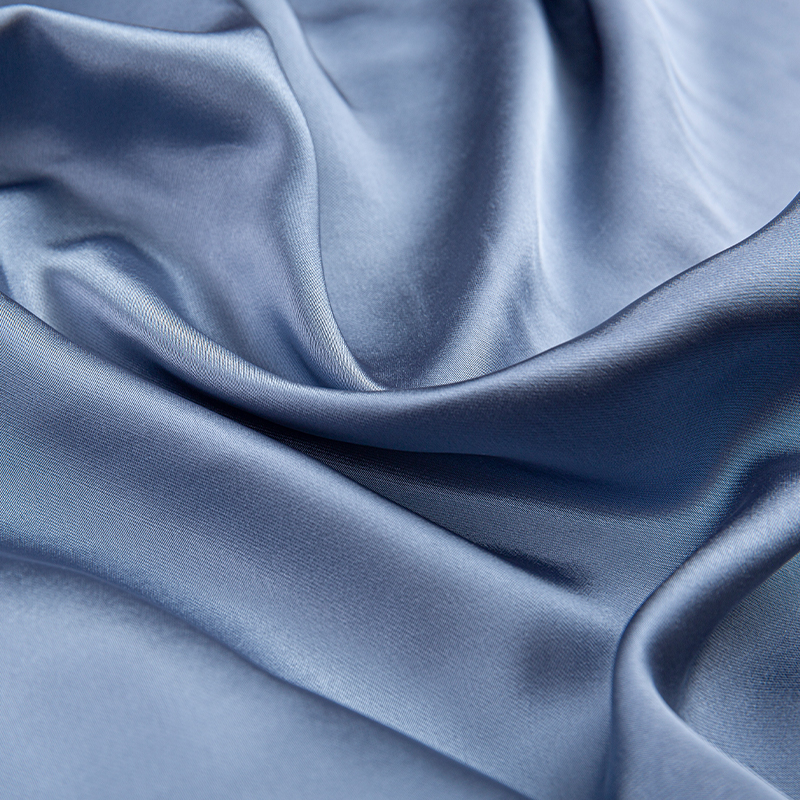
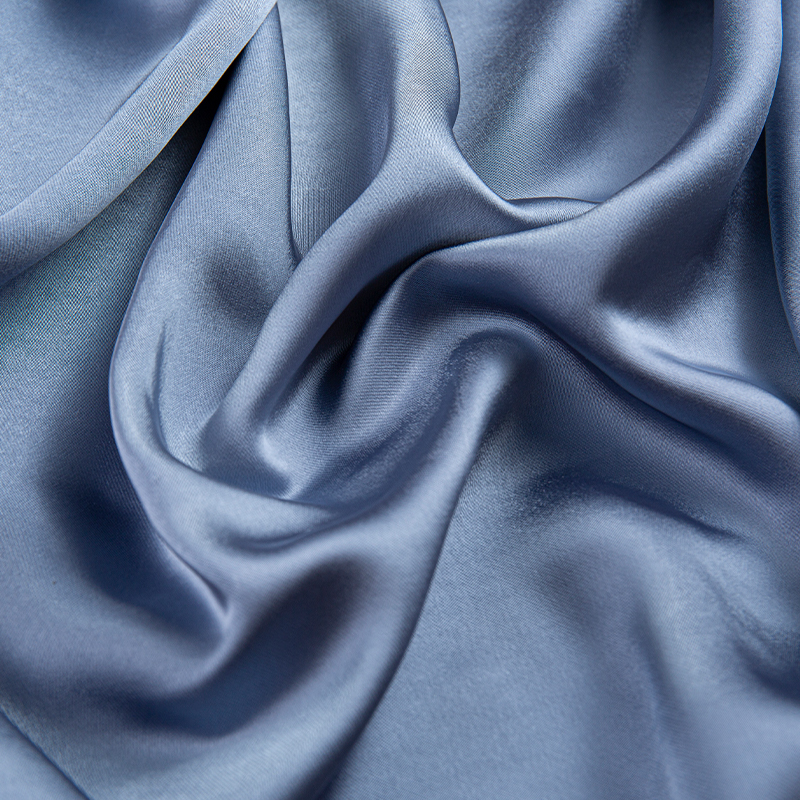
Satin silk cloth fabric is one of the most sought-after materials in fashion and luxury textile production, prized for its glossy surface, fluid drape, and refined hand feel. For fashion brands, apparel manufacturers, and textile buyers, selecting the right satin silk cloth fabric depends on understanding weave structure, fiber composition, and how each variation performs across garment applications. This guide breaks down the primary types of satin silk cloth fabric, where each performs best, the properties buyers should evaluate before ordering, and the processing methods that shape final fabric quality. Whether sourcing material for evening wear, bridal collections, or sleepwear lines, understanding these fundamentals helps buyers avoid costly mismatches between fabric characteristics and end-use requirements.
Satin silk cloth fabric refers to fabric constructed using the satin weave, in which weft or warp yarns float over multiple threads before interlacing, producing a smooth, lustrous face and a duller, less reflective back.
Satin is a weave structure, not a fiber, which is why satin silk cloth fabric appears in several distinct forms depending on the yarn used and how it is constructed. Buyers comparing options for satin silk cloth fabric typically evaluate four core categories: silk satin, polyester satin, charmeuse satin, and silk blend satin. Each delivers a different balance of sheen, drape, cost, and durability, so understanding the differences between silk satin and polyester satin fabric is a practical first step before placing a bulk order.
| Fabric Type | Fiber Base | Sheen Level | Typical Use |
| Silk Satin Fabric | 100 percent natural silk | Rich, natural luster | Bridal wear, luxury evening gowns |
| Polyester Satin Fabric | Synthetic filament yarn | High, uniform shine | Linings, budget-friendly apparel |
| Charmeuse Satin Fabric | Silk or silk-like fiber | High shine, soft drape | Lingerie, sleepwear, blouses |
| Silk Blend Satin Fabric | Silk plus secondary fiber | Moderate to high | Mid-range apparel, accessories |
Satin silk cloth fabric is chosen across fashion categories where drape, sheen, and a refined surface finish directly influence how a garment reads on the body. Matching the right fabric variant to the right garment type is one of the most common challenges apparel buyers face, since sheen level, weight, and hand feel all affect the finished look differently depending on cut and construction.
Silk satin fabric and silk blend satin fabric are favored for evening gowns because their fluid drape follows body movement while catching light along seams and folds.
Wedding dress fabric applications favor silk satin for its natural sheen and structured yet soft drape, particularly for bodices, trains, and statement silhouettes.
Charmeuse satin fabric is a common sleepwear fabric and lingerie fabric choice because of its lightweight construction, smooth surface, and comfortable next-to-skin feel.
Polyester satin fabric supports broader fashion textile fabric needs such as linings, accessories, and design samples where cost efficiency and shine consistency matter.
Fashion designers working on satin silk fabric for dresses often prioritize drape behavior during draping and pattern-making, since satin's directional sheen can highlight or disguise seam placement depending on how panels are cut. For satin silk cloth for bridal wear, buyers frequently request heavier weight silk satin to support structured silhouettes, while lighter charmeuse satin fabric suits softer, body-skimming bridal styles. Silk satin fabric for evening gowns is typically selected when the design calls for fluid movement paired with a rich, non-synthetic luster that reads well under both natural and stage lighting.
Luxury satin fabric for fashion design is defined less by a single fiber and more by how weave, weight, and finish come together to serve a garment's specific silhouette and end use.
Sleepwear and lingerie applications place different demands on satin silk cloth fabric compared to occasion wear. Comfort, breathability, and a soft hand feel take priority over structural rigidity, which is why lighter weight charmeuse and silk blend constructions dominate this segment. In fashion textile fabric sourcing more broadly, satin silk cloth fabric also appears in accessories, linings, and trims, where its smooth surface improves the finished quality of a garment even when the satin itself is not the visible outer layer.
Beyond fiber type, satin silk cloth fabric performance depends on a set of measurable and observable properties that determine how the fabric behaves in production and in wear. Buyers evaluating high shine satin silk fabric, soft drape satin fabric performance, or durable satin silk fabric quality should assess the following characteristics before finalizing a fabric specification.
Smooth satin fabric with a consistent surface is generally easier to sew and finish cleanly, which matters for manufacturers working with intricate seaming or draped panels. Breathable silk satin cloth fabric is typically preferred for garments worn against the skin for extended periods, such as sleepwear, since natural fibers manage moisture differently than synthetic alternatives. Anti wrinkle satin silk fabric properties vary by construction, with tightly woven and certain finished variants holding their shape better through handling, transport, and wear than looser or unfinished satin weaves.
Durability is another factor buyers should weigh carefully, particularly for garments intended for repeated wear rather than single-occasion use. A durable satin silk fabric quality standard generally considers yarn strength, weave density, and how well the fabric resists pulls or fraying at seams. Buyers sourcing for wedding dress fabric or evening dress fabric applications often prioritize a balance between a glossy silk fabric finish and enough structural integrity to support embellishments, boning, or layered construction.
How satin silk cloth fabric is woven, dyed, and finished has a direct impact on its final sheen, hand feel, and colorfastness. Understanding the core stages of production helps buyers ask more informed questions when evaluating fabric quality and consistency across production runs.
The satin weave uses long yarn floats over multiple threads before interlacing, which is what creates the fabric's signature smooth, reflective face and matte reverse side.
Satin silk fabric dyeing methods vary by fiber content, with natural silk typically requiring gentler dye processes than polyester satin to preserve fiber integrity and sheen.
Silk satin finishing processes, including calendaring and surface treatments, are used to enhance smoothness, adjust sheen level, and improve fabric gloss finishing consistency.
Satin silk cloth printing methods, along with surface treatments for wrinkle resistance or softness, allow buyers to customize fabric performance for specific end uses.
Textile surface treatment choices, from softening finishes to colorfastness treatments, should align with the intended application. A fabric destined for bridal wear may prioritize finishing steps that stabilize whiteness and sheen, while sleepwear-focused satin may prioritize softness and breathability treatments over maximum shine.
Satin silk cloth fabric is fabric produced using the satin weave, which creates a smooth, glossy face and a duller back, and can be made from natural silk, polyester, or blended fibers.
No. Satin describes a weave structure, while silk describes a fiber type. Silk satin fabric is one specific combination, but satin can also be woven from polyester or other yarns.
Satin silk fabric is commonly used for evening dresses, wedding dress fabric, sleepwear, lingerie, linings, and other fashion textile fabric applications that call for drape and sheen.
Care requirements depend on fiber content, with natural silk satin generally requiring gentler handling than polyester satin, so checking the specific fabric's care guidance is recommended.
Satin is a construction method describing how yarns are interlaced, while silk refers to the natural protein fiber itself, meaning satin can be made from silk or other materials.
Yes. Satin silk cloth fabric is widely used for evening dresses, bridal gowns, and occasion wear because of its drape, sheen, and smooth surface finish.
Choosing the right satin silk cloth fabric comes down to matching fiber type, weave characteristics, and finishing method to the specific garment application. Silk satin and charmeuse suit occasion wear and sleepwear where sheen and softness matter most, while polyester satin and silk blends offer practical alternatives for broader fashion textile fabric needs. Evaluating sheen, drape, breathability, and durability alongside processing methods gives buyers a clearer, more consistent basis for fabric selection.

Phone: +86 18806251599
TEL: +86 0512 63062555

Address: No. 1788, Yuanqu Road, Shengze Town, Wujiang District, Suzhou City, Jiangsu Province, China