 English
 中文简体
中文简体
Home / News / Industry News / Physiological Performance and Dermatological Compatibility of Rayon Lyocell Fabric in Sensitive Skin Applications
Industry News
Content
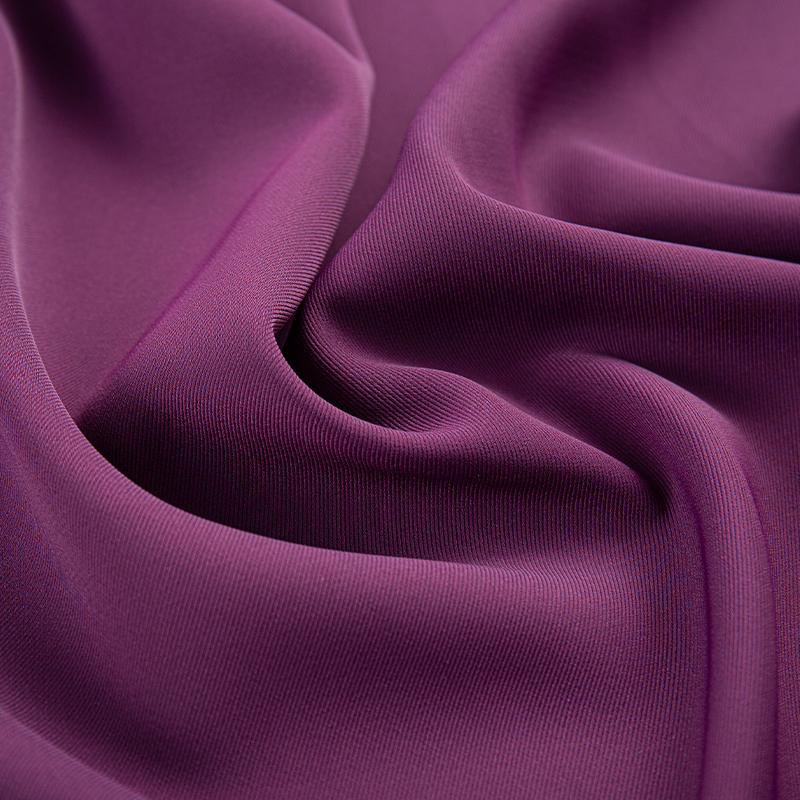
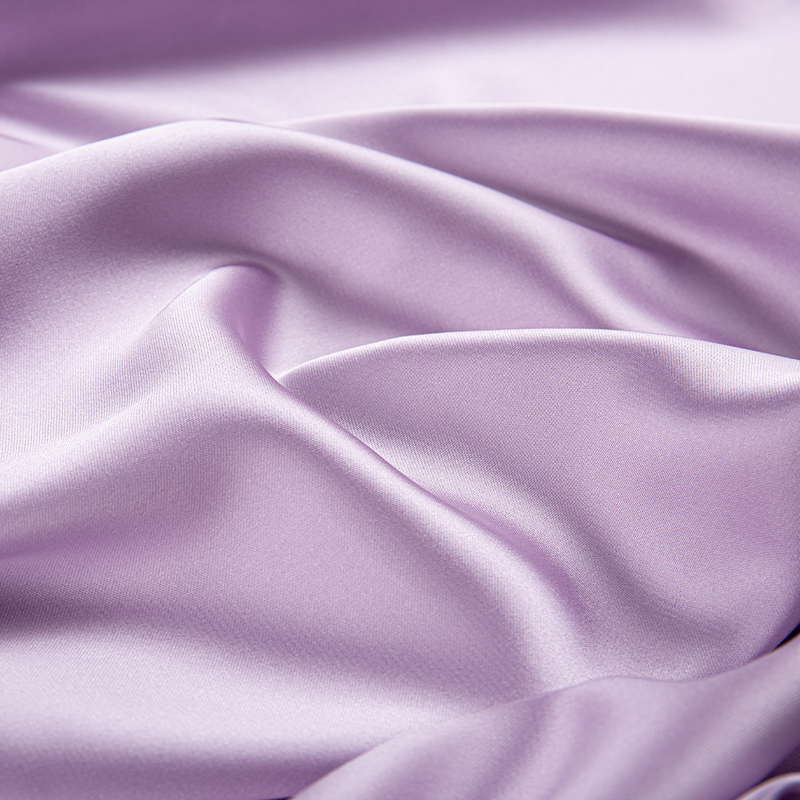
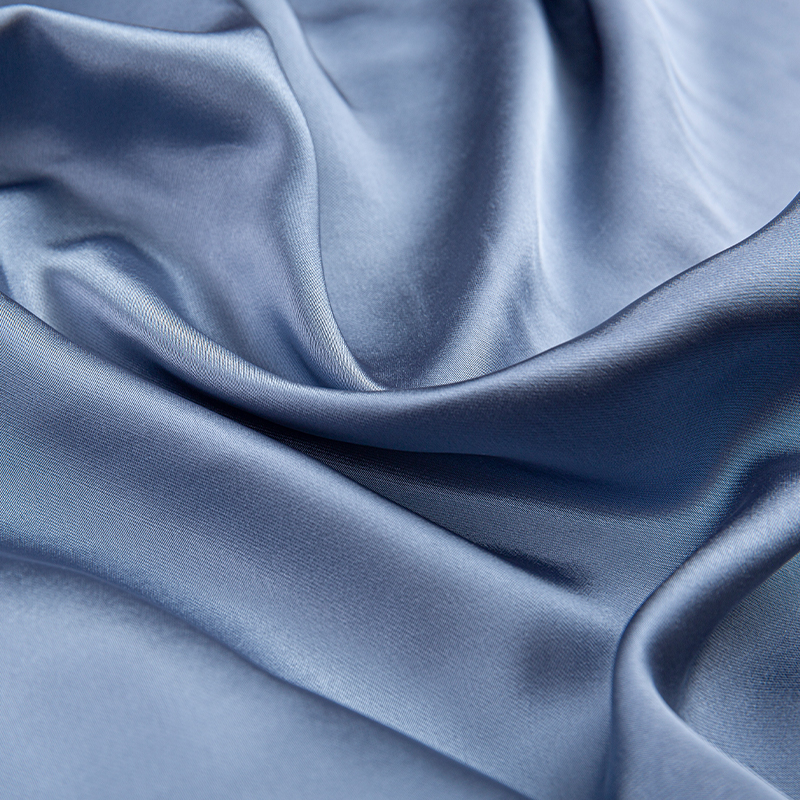
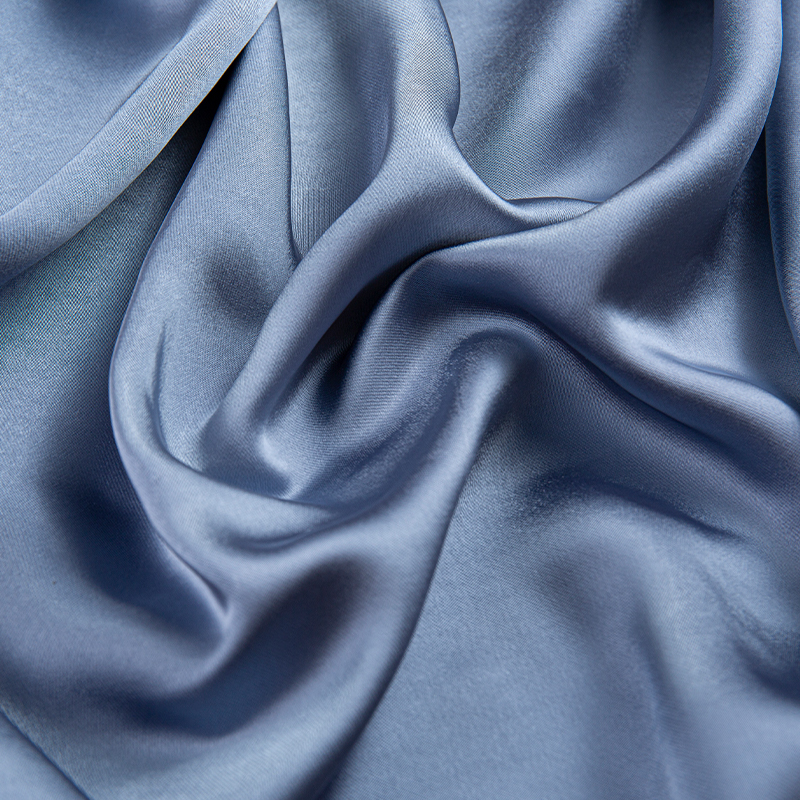
The selection of textile substrates for medical-grade or sensitive skin apparel is governed by fiber morphology, moisture management capacity, and chemical purity. rayon lyocell fabric, a third-generation regenerated cellulose fiber produced via the NMMO (N-Methylmorpholine N-oxide) closed-loop solvent spinning process, represents a significant advancement in textile engineering. This analysis examines the hypoallergenic properties of lyocell fibers and evaluates their efficacy in mitigating atopic dermatitis symptoms through superior breathability and moisture transport mechanisms.
The mechanical irritation of the skin is often a result of coarse fiber surfaces. Unlike traditional natural fibers that may exhibit scales or irregularities, rayon lyocell fabric features a smooth, cylindrical cross-section. When evaluating lyocell vs cotton for sensitive skin, the Ra surface finish of lyocell is significantly lower, which reduces the coefficient of friction against the epidermal layer. This smooth fiber structure for skin irritation prevention ensures that the fabric does not induce micro-abrasions. Furthermore, the tensile strength of lyocell remains stable even when saturated, preventing the fiber from collapsing and becoming abrasive during high-perspiration activities.
WuJiang City Hongyuan Textile Co., Ltd., founded in the 1990s, has been deeply involved in the textile industry for over 30 years. Located in Shengze—China's "Silk Capital" and a national spark-intensive textile hub—our facility spans a standardized 100-acre production plant covering 60,000 square meters. Operating 500 water-jet looms and 400 double twisting units, Hongyuan Textile achieves an annual sales volume exceeding 500 million yuan. We specialize in the R&D and large-scale manufacturing of high-performance materials, including rayon lyocell fabric, ensuring that every batch meets the precision requirements of the global garment and industrial textile markets.
| Property | Testing Standard | Typical Engineering Value |
| Fiber Cross-section | Microscopic Analysis | Smooth, Uniform Cylindrical |
| Dry Tensile Strength | ISO 5079 | 36 - 42 cN/tex |
| Wet Tensile Strength | ISO 5079 | 30 - 34 cN/tex |
A critical factor for skin health is the management of the microclimate between the fabric and the skin. The breathability of lyocell rayon fabric is attributed to its sub-microscopic channels, known as fibrils, which exhibit high hydrophilicity. When comparing lyocell and polyester breathability, lyocell absorbs moisture into the fiber core rather than trapping it on the surface. This superior moisture wicking of lyocell prevents the accumulation of sweat, which is a primary trigger for bacterial growth and skin rashes. By maintaining a dry microclimate, the antibacterial potential of lyocell textiles is naturally enhanced without the need for synthetic chemical additives, making it a non-toxic textile choice for allergies.
The environmental impact of lyocell production is minimal due to the 99.7% recovery rate of the NMMO solvent. For users with chemical sensitivities, the purity of rayon lyocell fabric is a decisive advantage. Unlike viscose rayon, which utilizes carbon disulfide, the closed-loop lyocell manufacturing process ensures that no harmful residues remain within the fiber matrix. This contributes to the OEKO-TEX compliance of lyocell fabrics, verifying that the material is free from heavy metals, formaldehyde, and other common skin irritants.
Technical textiles must balance physiological comfort with structural longevity. The shrinkage rate of lyocell vs viscose is significantly lower, ensuring that the rayon lyocell fabric retains its fit and drape after repeated laundering cycles. How to wash lyocell for sensitive skin involves using pH-neutral detergents and moderate temperatures (below 40°C) to preserve the Ra surface finish. Hongyuan Textile's advanced warp drawing and weaving equipment allow for the production of high-density lyocell woven cloth that provides a durable yet soft barrier against environmental pollutants, supporting the long-term wearability of lyocell garments for those with chronic skin conditions.
| Performance Metric | Standard Reference | Requirement |
| Dimensional Stability | ISO 6330 (Washing) | Less than 3% Shrinkage |
| Color Fastness (Perspiration) | ISO 105-E04 | Grade 4-5 |
| Air Permeability | ISO 9237 | Greater than 150 mm/s |
In infant applications, where the skin barrier is underdeveloped, rayon lyocell fabric provides an ideal solution due to its natural softness and hypoallergenic profile. The absence of surface protruding fibers minimizes the risk of inhalation allergies, while the high absorption capacity of lyocell ensures that the infant remains dry and comfortable. Hongyuan Textile leverages more than 30 years of industrial experience to produce stable quality lyocell yarns that serve the personalized needs of the luxury babywear and high-performance activewear sectors.
While no fiber can be guaranteed for every individual, lyocell's smooth surface and chemical purity make it the least likely textile to cause mechanical or chemical irritation compared to wool or synthetic fibers.
Lyocell has excellent dimensional stability. When washed according to engineering guidelines (cool water, air dry), it exhibits significantly less shrinkage than traditional viscose or high-shrinkage cotton blends.
Lyocell offers comparable breathability to linen but with superior moisture management. While linen relies on air gaps in the weave, lyocell absorbs moisture into the fiber itself, providing a more efficient cooling effect.
Yes. Many dermatologists recommend lyocell due to its smooth fiber morphology and ability to keep the skin dry, which helps prevent the flare-ups associated with sweat and friction.
Yes, it is a regenerated cellulose fiber typically derived from eucalyptus wood pulp. The wood is processed into a spinning solution and extruded into fibers using a non-toxic solvent.

Phone: +86 18806251599
TEL: +86 0512 63062555

Address: No. 1788, Yuanqu Road, Shengze Town, Wujiang District, Suzhou City, Jiangsu Province, China