 English
 中文简体
中文简体
Home / News / Industry News / Detailed Explanation of the Difference Between 4-Way Stretch Fabric and 2-Way Stretch Fabric
Industry News
Content
In the world of technical textiles, understanding the properties of different materials is crucial for selecting the right fabric for your application. 4 Way Stretch Fabric has become a buzzword in industries ranging from activewear to medical devices, but how does it truly differ from its predecessor, 2-way stretch? This comprehensive guide will delve into the technicalities, advantages, and ideal use cases for both, empowering you to make an informed decision. With over 30 years of expertise in the textile industry, WuJiang City Hongyuan Textile Co., Ltd. has witnessed the evolution of stretch fabrics firsthand, manufacturing premium materials in Shengze, China's renowned "Silk Capital."
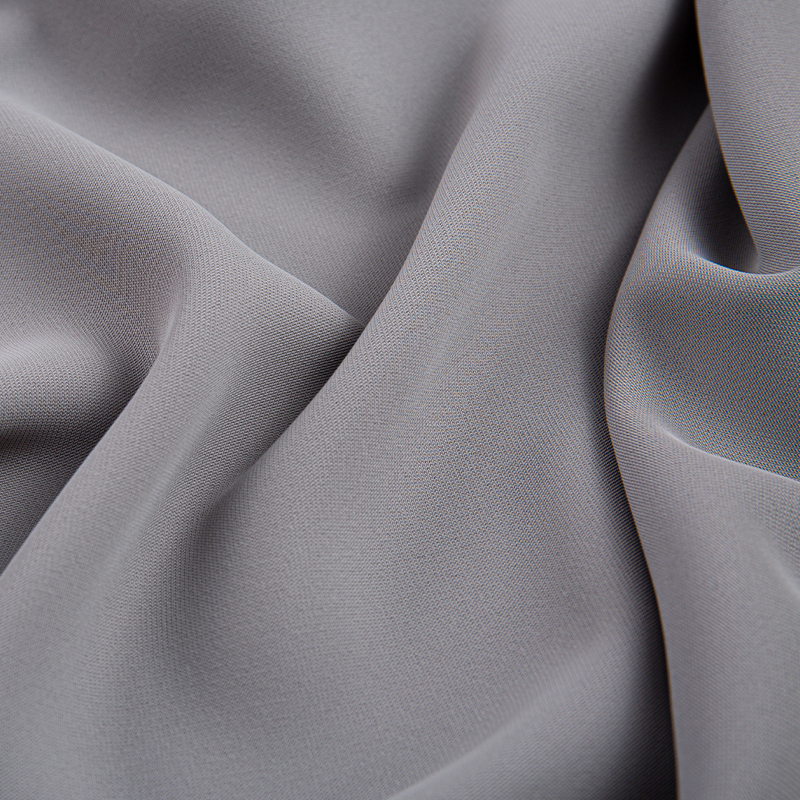
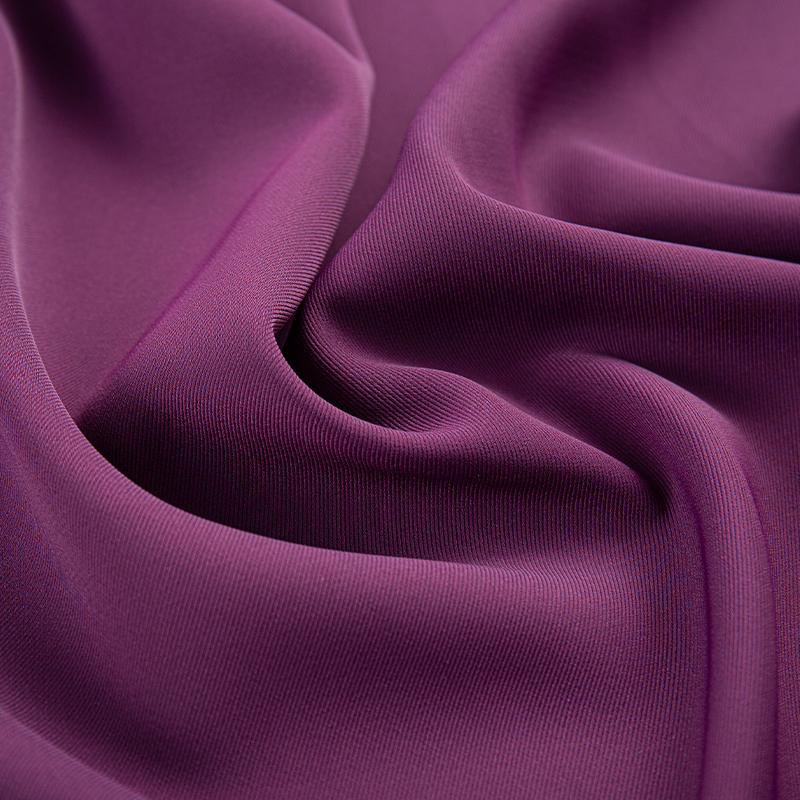
260gms matte texture breathable four-way stretch fabric for sportswear, casual fashion
Stretch fabric is a specialized material engineered to extend and recover to its original shape. This fundamental property is achieved through the integration of elastic fibers like spandex (also known as Lycra or elastane) during the knitting or weaving process. The primary distinction between different types of stretch lies in the directionality of this movement.
2-way stretch fabric is characterized by its ability to stretch along a single axis, typically the width (weft) of the material. Imagine the fabric pulling from side to side but not up and down. This type of stretch is common in many traditional garments and provides a comfortable, forgiving fit.
While sometimes seen as less technical than 4-way stretch, 2-way stretch fabric holds a vital place in the textile market due to its cost-effectiveness and specific performance benefits.
4-way stretch fabric represents a significant advancement in textile engineering. As the name implies, it stretches and recovers in both the length (warp) and width (weft) directions. This bi-directional elasticity allows for unparalleled freedom of movement, conforming to the body's contours in three dimensions.
The superiority of 4-way stretch fabric becomes evident in high-performance scenarios. It moves with the wearer, reducing fatigue and enhancing the overall experience.
Choosing between 4-way and 2-way stretch fundamentally comes down to the intended application and the required range of motion. The following detailed comparison highlights their core differences.
| Feature | 2-Way Stretch | 4-Way Stretch |
| Direction of Stretch | One direction (usually width) | Two directions (length & width) |
| Range of Motion | Good for linear movement | Excellent for multi-directional movement |
| Typical Fit | Comfortable, forgiving | Compressive, second-skin |
| Common Applications | T-shirts, basic leggings, upholstery | High-performance sportswear, surgical garments, compression wear |
| Manufacturing Complexity | Lower | Higher |
| Cost | Generally lower | Generally higher |
Selecting between 2-way and 4-way stretch is a critical decision that impacts the functionality, comfort, and cost of the final product. This decision-making process is a core part of the 4-way stretch fabric manufacturing process expertise that companies like WuJiang City Hongyuan Textile Co., Ltd. provide to their clients.
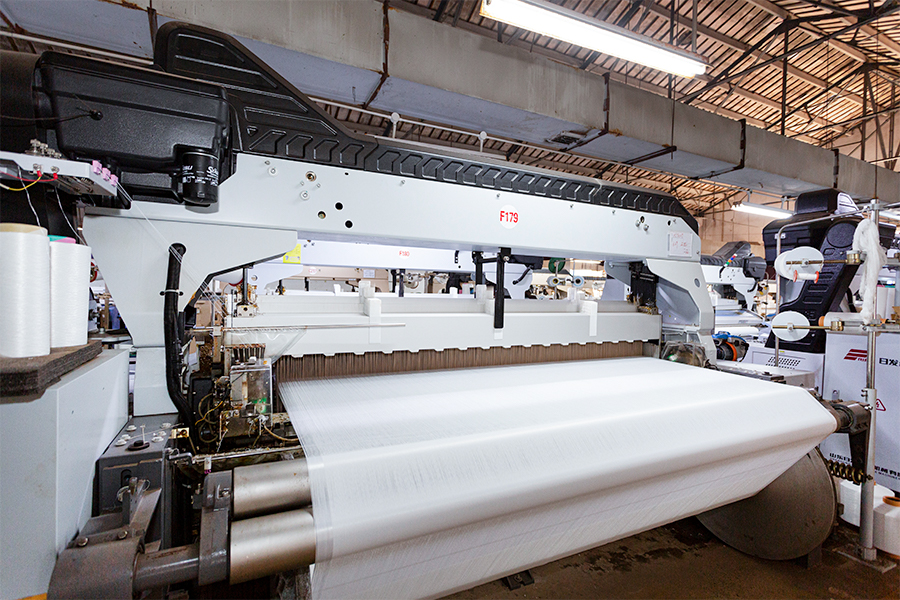
The choice of stretch type also influences design and production. Understanding the 4-way stretch fabric manufacturing process helps in setting realistic expectations for lead times and minimum order quantities.
The primary advantage is unparalleled freedom of movement. 4 Way Stretch Fabric moves bi-directionally, meaning it stretches in both length and width. This allows for a greater range of motion, a more conforming and compressive fit that acts like a second skin, and reduced restriction during complex athletic or everyday activities. It is specifically engineered for performance where 2-way stretch would feel limiting.
Durability is multifaceted. While the elastic fibers themselves may be similar, the overall durability of a 4-way stretch fabric is often higher in high-stress applications because the stress is distributed across both directions of the fabric. This reduces localized strain and can prevent the fabric from overstretching and losing its recovery in one specific direction, a common failure point in 2-way stretch materials under heavy use.
Absolutely. While 4-way stretch fabric is the gold standard for sportswear, its benefits are increasingly sought after in everyday fashion. Its use in jeans, jackets, and even formal wear is growing, as consumers prioritize comfort and mobility without sacrificing style. The key is selecting the right weight and composition of 4-way stretch fabric to suit the drape and aesthetic required for the garment.
Proper care is crucial for preserving the integrity and recovery of any stretch fabric. To maintain the performance of your 4-way stretch fabric garments, wash them in cold water on a gentle cycle and avoid using fabric softeners, as they can coat the elastic fibers and degrade their stretch. Tumble dry on low heat or, ideally, air dry. High heat is the enemy of elastane and will significantly reduce its lifespan and recovery ability.
GSM stands for Grams per Square Meter and is a standard measurement for fabric weight. It is a critical specification when selecting a 4-way stretch fabric. A lower GSM (e.g., 150-200) indicates a lighter, more breathable fabric ideal for base layers or summer activewear. A higher GSM (e.g., 250-300) denotes a heavier, more durable, and often more compressive fabric, perfect for outerwear, winter training gear, or compression garments. Understanding 4-way stretch fabric specifications like GSM is essential for matching the material to the product's functional needs.

Phone: +86 18806251599
TEL: +86 0512 63062555

Address: No. 1788, Yuanqu Road, Shengze Town, Wujiang District, Suzhou City, Jiangsu Province, China