 English
 中文简体
中文简体
Home / News / Industry News / Detailed Explanation of the Production Process of Satin Silk Cloth Fabric: The Secret of Smooth Texture
Industry News
Content
The allure of satin silk cloth fabric lies in its signature smooth, lustrous surface and luxurious drape. This iconic textile has graced fashion runways, home decor, and special occasions for centuries. But what exactly goes into creating this masterpiece of texture? This article provides a detailed, behind-the-scenes look at the sophisticated production process, revealing how raw silk is transformed into the sleek satin silk cloth fabric we know and love. Understanding this journey not only deepens our appreciation but also highlights the expertise required to produce such a material, an expertise honed over decades by specialized manufacturers.
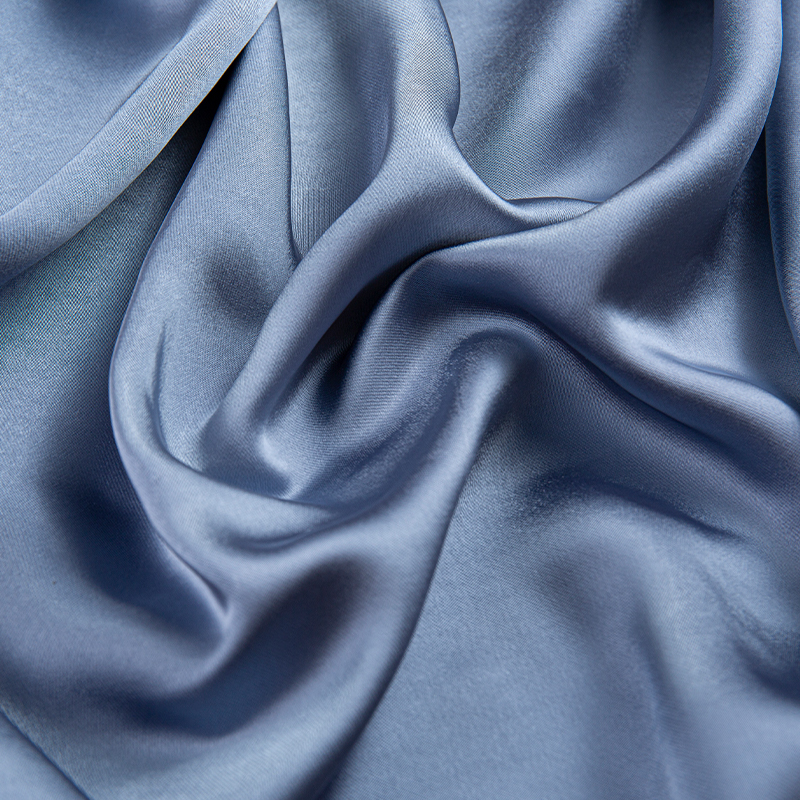
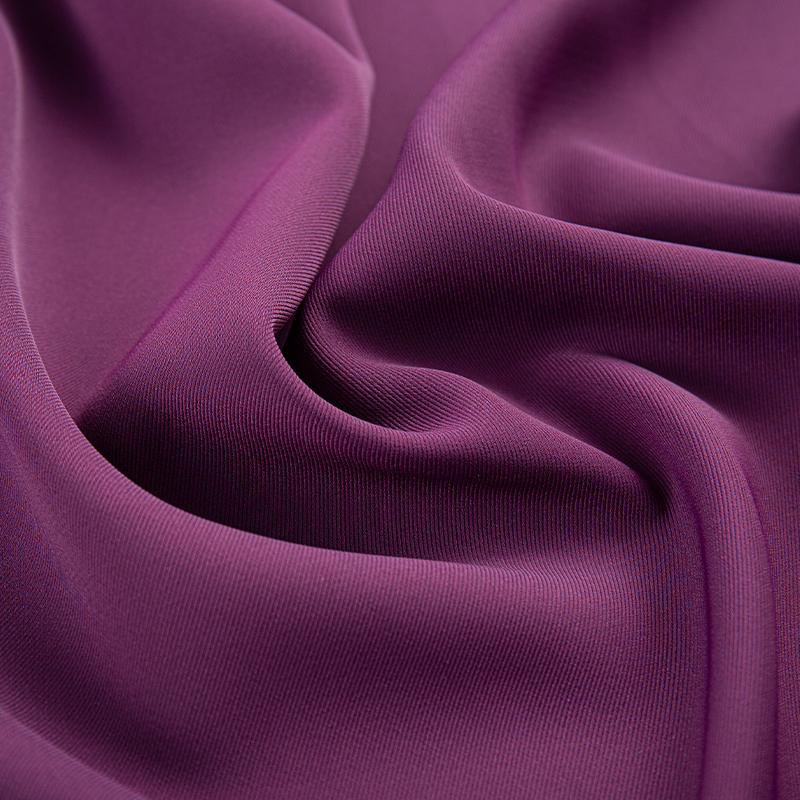
HY263 150cm 266GSM twill imitation acetate CEY satin women's clothing fabric
The journey of satin silk cloth fabric begins with the humble silkworm. The quality of the final fabric is entirely dependent on the quality of the raw silk threads, making this initial stage critically important. The process, known as sericulture, involves harvesting silkworm cocoons, which are made of a continuous filament of silk protein.
What truly distinguishes satin from other silks is not the fiber, but the weave. The satin weave is a complex structure designed specifically to maximize reflection of light, resulting in that characteristic glossy face and dull back. This is the heart of the satin silk production steps.
The following table illustrates a basic comparison of weaves to highlight what makes the satin weave unique:
| Weave Type | Interlacing Pattern | Resulting Fabric Surface |
| Satin Weave | Weft floats over 4+ warp threads, then under 1. | Glossy, smooth, and sleek. |
| Plain Weave | Weft goes over and under each warp thread (1/1). | Matte, crisp, and flat. |
| Twill Weave | Weft passes over 2+ warp threads in a diagonal pattern. | Distinct diagonal ribs (e.g., Denim). |
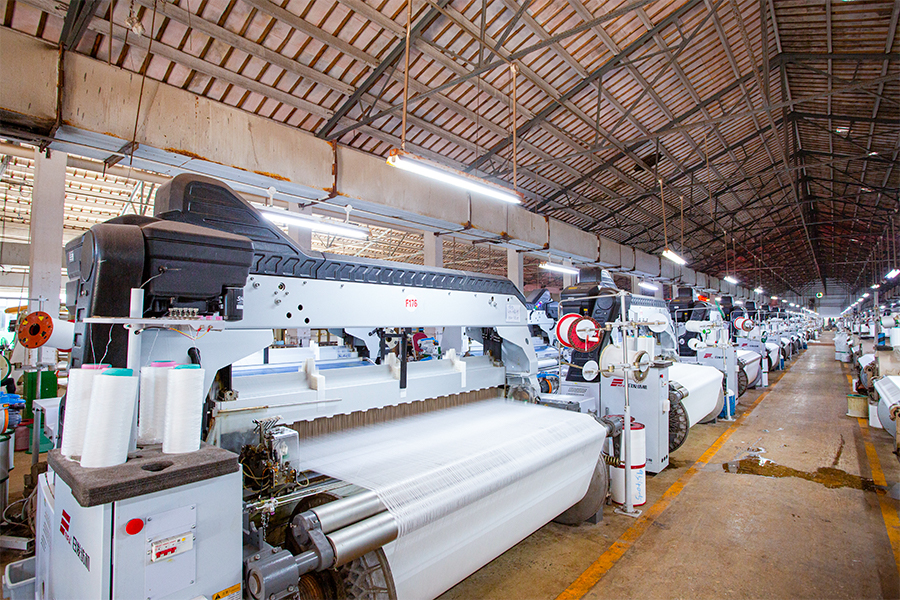
Before weaving can begin, the threads must be meticulously prepared. The warp threads, which run lengthwise, are wound onto a large beam under uniform tension. The weft threads are prepared on separate bobbins. For a flawless finish, this stage requires precision machinery and expert oversight.
Once the satin silk cloth fabric is woven, it is in a "greige" state—raw and lacking its final luster and color. The dyeing and finishing stages are where the fabric's aesthetic and tactile qualities are fully realized. This is where the secrets to achieving a smooth texture on satin silk are fully applied.
No piece of satin silk cloth fabric leaves a reputable plant without rigorous inspection. Every meter is examined over a backlit panel to identify any imperfections like slubs, weaving errors, or dye spots. This commitment to quality is what separates mass-produced fabric from truly exceptional material.
This is a fundamental confusion. Silk is a natural protein fiber produced by silkworms. Satin, on the other hand, is a type of weave. Therefore, "silk" refers to the material, while "satin" describes the structure. You can have silk satin (silk fiber in a satin weave), but you can also have satin made from other fibers like polyester or nylon. True satin silk cloth fabric combines the luxurious qualities of natural silk with the high-sheen finish of the satin weave.
Identifying high-quality satin silk characteristics involves a multi-sensory check. First, examine the sheen; it should be deep and pearlescent, not plastic-looking or overly shiny. Second, feel the fabric; it should be heavy, dense, and cool to the touch, with a supremely smooth texture that flows effortlessly through your fingers. Third, crumple a small section in your hand; genuine, high-quality silk will crease but the wrinkles should release easily. Finally, check the price; true silk satin is a premium product with a cost that reflects the intensive satin silk production steps.
While luxurious, satin silk cloth fabric does require careful maintenance to preserve its beauty. It is generally recommended to dry clean or hand wash in cold water with a gentle, pH-neutral detergent specifically for silk. Avoid wringing or twisting the fabric. Instead, roll it in a towel to remove excess water and dry flat away from direct sunlight or heat. Iron on a low, cool setting while the fabric is still slightly damp, using a pressing cloth to protect the delicate surface. Proper care will maintain its smooth texture and vibrant colors for years.
The provenance of silk is crucial due to generational expertise, local climate, and access to superior raw materials. For instance, a company like WuJiang City Hongyuan Textile Co., Ltd., founded in the 1990s and located in Shengze, China—a region renowned as the "Silk Capital"—leverages over 30 years of deep industry immersion. Being in a national silk-intensive area means the entire supply chain, from silkworm cultivation to advanced weaving and dyeing, is optimized for excellence. This concentrated expertise, combined with modern facilities like 500 water jet looms and complete front-end support, directly translates to a higher caliber of satin silk cloth fabric, ensuring consistent quality, innovation in satin silk production steps, and reliable supply.

Phone: +86 18806251599
TEL: +86 0512 63062555

Address: No. 1788, Yuanqu Road, Shengze Town, Wujiang District, Suzhou City, Jiangsu Province, China