 English
 中文简体
中文简体
Home / News / Industry News / How to Choose Lyocell Twill Fabric for Sustainable Apparel, Soft Handfeel Textiles and Eco-Friendly Fashion Applications
Industry News
Content
Choosing a fabric for apparel is rarely just about look and feel anymore; sourcing and sustainability now weigh just as heavily on the decision. Lyocell twill fabric has become a favorite for designers and brands who want a soft, breathable textile with a genuinely lower environmental footprint than many conventional alternatives. This guide covers what the fabric is, how it performs, how it compares with cotton and polyester, and where its limitations lie.
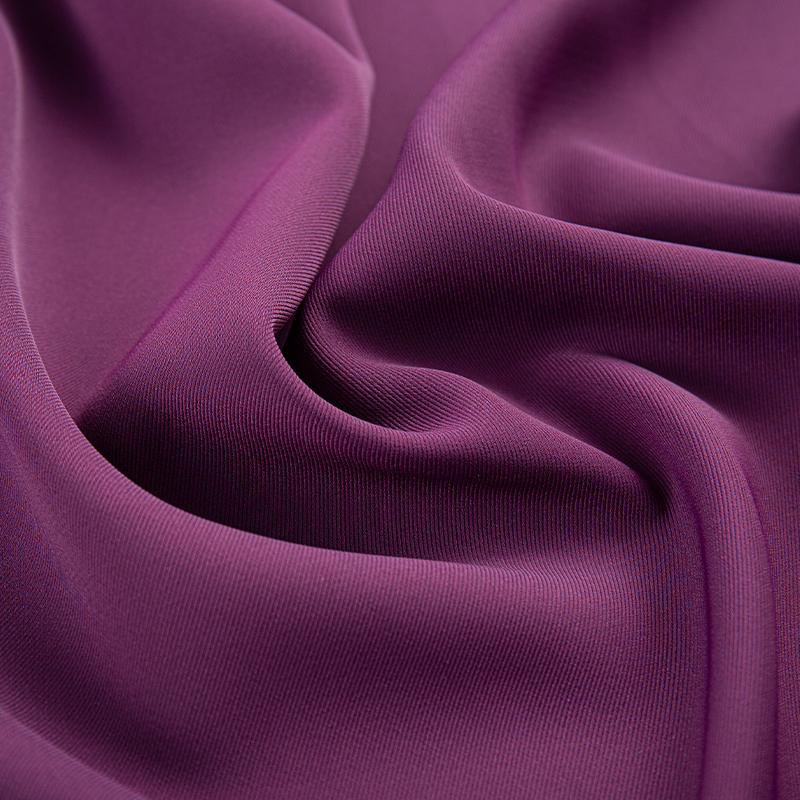
A lyocell twill fabric definition combines two ideas: lyocell describes the fiber itself, a regenerated cellulose fiber fabric made from dissolved wood pulp, while twill describes the diagonal rib weave pattern used to construct the finished textile. A twill weave lyocell textile therefore inherits both the soft drape of the fiber and the durability associated with twill construction.
As a wood pulp fiber fabric, lyocell starts from natural cellulose sourced from trees rather than petroleum or raw cotton. This is what positions it as a sustainable viscose alternative fabric, since it is produced through a more contained chemical process than traditional viscose rayon.
What is lyocell twill fabric used for generally comes down to garments that need a soft handfeel and clean drape without relying on cotton or synthetic fiber, and how lyocell fabric is produced from wood pulp is the key detail that separates it from most conventional textile fibers.
A closed loop production lyocell process recovers and reuses the solvent used to dissolve the wood pulp, which is a major reason the fiber is described as a sustainable cellulose fiber fabric rather than a conventional rayon product.
Because the raw fiber is plant-based, lyocell qualifies as a biodegradable textile fiber under appropriate composting or disposal conditions, unlike synthetic fibers that persist for decades. This is part of why it has become popular as an eco friendly fashion fabric among brands trying to reduce their environmental footprint.
Low impact textile manufacturing claims around lyocell rest specifically on the solvent recovery rate of the closed loop system, which varies by producer, so buyers focused on sustainability should still confirm production details rather than assuming all lyocell is manufactured identically. Whether lyocell is better than viscose for sustainability generally comes down to this same solvent recovery difference, since standard viscose production typically does not use the same closed loop approach.
The fiber's softness and drape make it a versatile choice across several garment categories.
Used broadly across women's and men's ready-to-wear collections for its soft drape.
Provides a smooth, breathable surface well suited to structured shirting.
Twill construction adds durability suited to tailored trousers and workwear-inspired pieces.
Applied in bedding and soft furnishings where a smooth handfeel is valued.
Common in everyday casual clothing for warm-weather comfort.
Lyocell twill fabric for clothing applications spans nearly the full range of what clothes are made from lyocell fabric today, and uses of lyocell fabric in fashion industry continue to expand as more brands look for cotton and polyester alternatives.
Fabric performance claims should always be measurable, and lyocell twill has a fairly consistent set of characteristics worth checking against any specific end use.
Soft handfeel fabric is one of the most consistently cited traits of lyocell, resulting from the smoothness of the regenerated cellulose fiber surface. Moisture absorbing textile behavior means lyocell tends to manage moisture well against the skin, contributing to its reputation as a breathable clothing fabric suited to warmer climates. Wrinkle resistant lyocell performance is generally moderate rather than exceptional, and durable twill weave fabric construction adds abrasion resistance that a plain weave version of the same fiber would not have.
A lyocell vs cotton fabric comparison usually comes down to handfeel and water usage in production, with lyocell often perceived as smoother and grown with a more contained water cycle. A lyocell vs polyester textile comparison instead highlights the natural vs regenerated fiber comparison directly, since polyester is fully synthetic while lyocell remains plant-derived. On a breathability fabric comparison basis, lyocell and cotton both generally outperform polyester, and comfort textile material differences ultimately come down to how each fiber manages moisture and drape against the skin.
How lyocell fabric is made step by step depends heavily on the manufacturing process of lyocell fibers staying tightly controlled at the dissolution and spinning stages, since fiber consistency at that point determines the quality of everything downstream, including how twill weave is produced in the final textile.
Moisture sensitivity fabric behavior means lyocell can lose some strength when wet, so care instructions matter more with this fiber than with more moisture-stable synthetics.
Cost of lyocell fabric tends to run higher than basic cotton or polyester due to the more controlled production process involved. Wrinkle tendency cellulose fabric behavior means lyocell twill can crease more than synthetic blends, often benefiting from steaming or gentle ironing. Production complexity textile fiber factors, including the specialized solvent recovery system, add cost and process overhead compared with simpler synthetic fiber production. Care requirements lyocell garments frequently call for gentle washing cycles or dry cleaning depending on the specific garment construction, and whether lyocell shrinks after washing depends largely on the finishing treatment and recommended care instructions for that specific fabric.
Sustainable fashion materials continue to gain share as apparel brands respond to consumer and regulatory pressure around environmental impact, and lyocell has become one of the more established options in that shift. Biodegradable textile trends are reinforcing interest in plant-based regenerated fibers as an alternative to purely synthetic materials.
Eco friendly apparel industry growth is expected to keep favoring fibers with transparent, verifiable production processes, which plays to lyocell's closed loop manufacturing story. Regenerated fiber innovation continues to explore new cellulose sources beyond traditional wood pulp, and the broader circular textile economy movement is pushing toward fibers that can be more easily recovered or recycled at end of life, an area where cellulose-based fibers like lyocell generally have an advantage over blended synthetic fabrics.
 |
 |
It is a textile made from lyocell, a regenerated cellulose fiber produced from wood pulp, woven into a diagonal twill pattern for added texture and durability.
Lyocell is generally considered a more sustainable cellulose fiber due to its closed loop solvent recovery production process, though actual impact varies by manufacturer.
Lyocell is generally considered comparably breathable to cotton, with good moisture absorption that suits warm-weather garments.
Lyocell is often considered an improvement over standard viscose because its production process typically recovers and reuses more of the solvent involved.
As a cellulose-based fiber, lyocell generally has better end-of-life recovery potential than synthetic fabrics, though recyclability in practice depends on blend composition and available recycling infrastructure.
Lyocell garments typically require gentle washing, often on a delicate cycle or by hand, since the fiber can lose some strength when wet and may be sensitive to harsh agitation.

Phone: +86 18806251599
TEL: +86 0512 63062555

Address: No. 1788, Yuanqu Road, Shengze Town, Wujiang District, Suzhou City, Jiangsu Province, China