 English
 中文简体
中文简体
Industry News
Content
Lyocell fabric is a semi-synthetic cellulose fibre made from dissolved wood pulp — most commonly eucalyptus — processed through a closed-loop solvent system. It is soft, breathable, and naturally drape-friendly, often compared to silk or high-quality cotton. Lyocell can be ironed safely at low heat, should be washed gently in cool water, has low pilling tendency compared to synthetics, and feels noticeably smooth and cool against the skin.
What is lyocell fabric like?
Lyocell occupies a unique position among textiles — it is neither a natural fibre like cotton or wool, nor a fully synthetic fibre like polyester or nylon. It is produced by dissolving cellulose (wood pulp) in a non-toxic organic solvent (NMMO — N-methylmorpholine N-oxide), extruding it through spinnerets into fine filaments, and regenerating the fibre in a water bath. The solvent is recovered and reused at a rate of over 99%, making lyocell one of the most environmentally responsible textile fibres in commercial production.
The trade name Tencel, owned by Lenzing AG of Austria, is the most widely recognised lyocell brand. Tencel lyocell and generic lyocell fibres are chemically identical — the difference lies in fibre consistency, quality controls, and the verified sustainability credentials of the Lenzing process.
Texture and hand feel
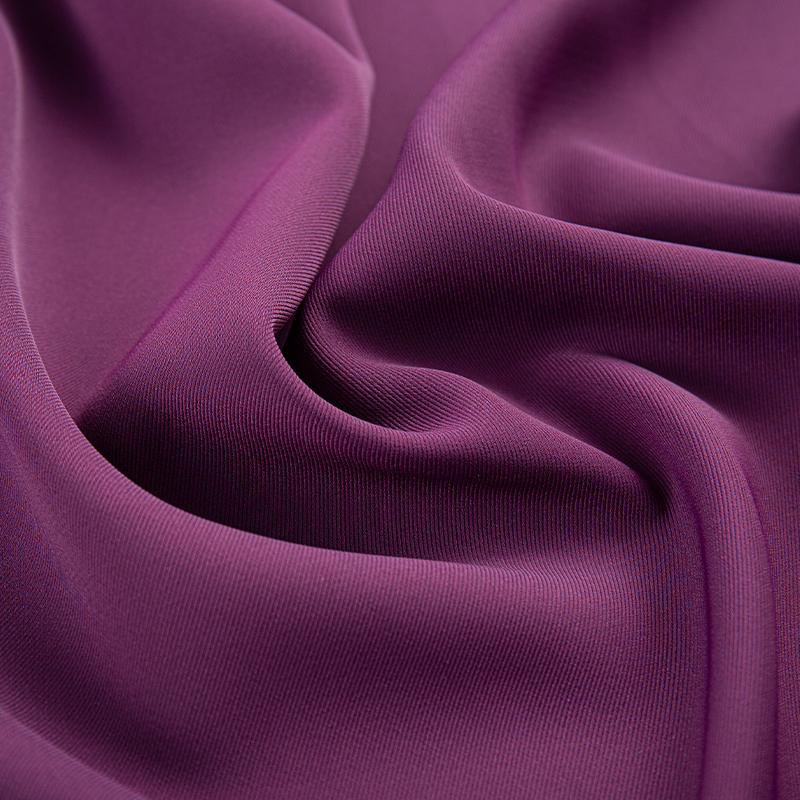
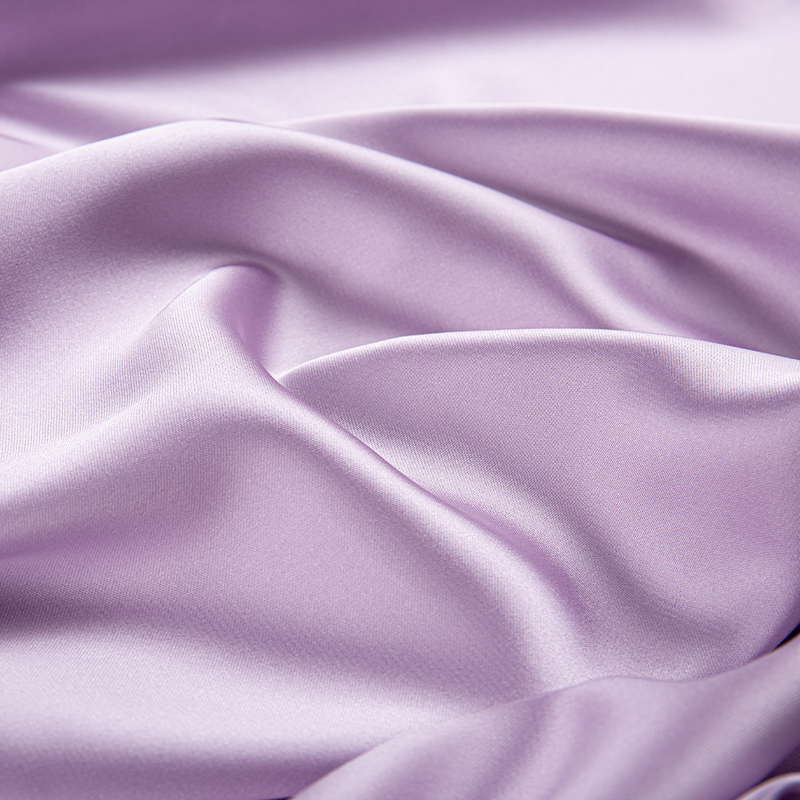
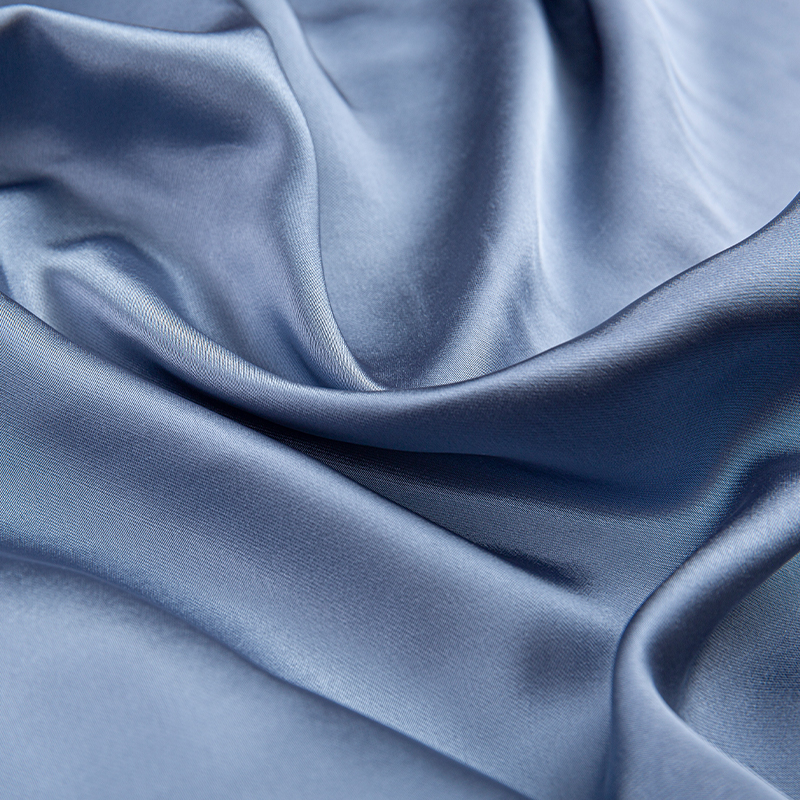
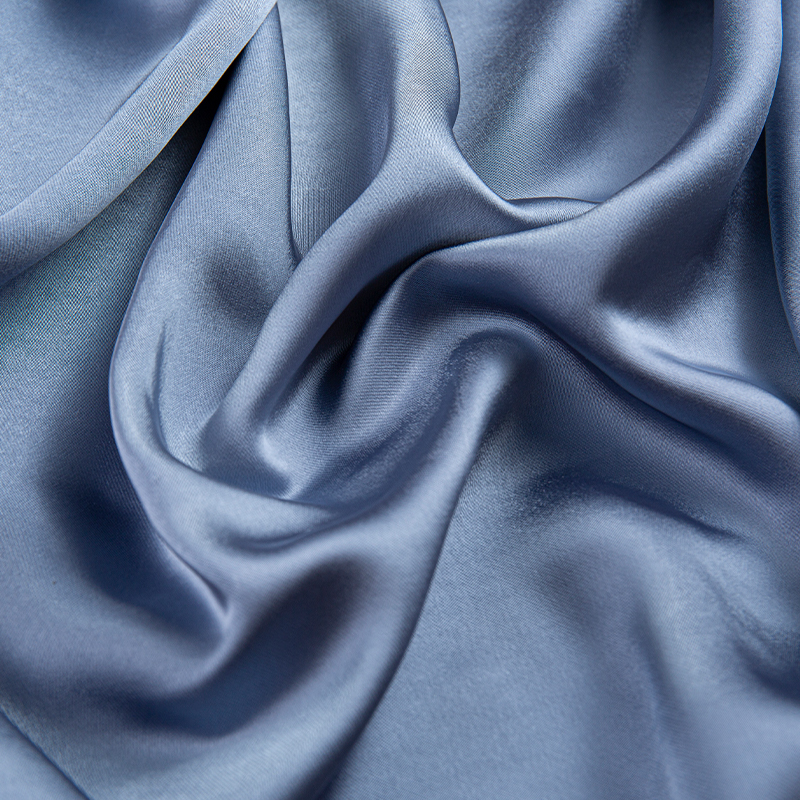
Lyocell has a distinctively smooth, almost silky hand feel that sets it apart from cotton and most other cellulose fabrics. The reasons are structural:
- Lyocell fibres have a very uniform circular cross-section and smooth surface, producing less friction between fibres and against skin than the irregular, multi-lobed cross-section of cotton.
- The fibre has a natural sheen — not the high gloss of satin or silk, but a subtle lustre that gives garments an elevated appearance.
- Drape is exceptional. Lyocell woven fabrics fall gracefully against the body. A lyocell shirt or dress moves more like viscose or silk than like a stiff cotton poplin.
- The fabric feels noticeably cool on initial contact — lyocell conducts heat away from skin slightly faster than cotton, making it popular for warm-weather and activewear applications.
Breathability and moisture management
Lyocell is highly absorbent — it can absorb approximately 50% more moisture than cotton by weight. Critically, it absorbs moisture into the fibre structure rather than holding it on the surface, which means the fabric feels dry to the touch even when damp. This property makes lyocell popular for:
- Warm-climate clothing where sweat management matters
- Bed linen for hot sleepers — lyocell sheets are measurably cooler than cotton at equivalent thread counts
- Activewear blends where moisture wicking is required without synthetic fibres
- Sensitive skin and eczema-prone wearers — the smooth fibre surface and moisture management reduce friction irritation
Lyocell compared to similar fabrics
| Property | Lyocell | Cotton | Viscose/Rayon | Polyester |
| Softness | Very high | Medium–high | High | Medium |
| Breathability | Excellent | Excellent | Good | Poor–medium |
| Moisture absorption | Very high (fibre-core) | High (surface) | High (surface) | Low |
| Drape | Excellent | Moderate | Excellent | Moderate |
| Wet strength | Good (retains ~85% dry strength) | Excellent (stronger wet) | Poor (loses ~50% strength wet) | Excellent |
| Pilling tendency | Low | Low–medium | Medium | High |
| Environmental impact | Low (closed-loop process) | Medium–high (water, pesticides) | Medium–high (open solvent process) | High (petroleum-based) |
How do you wash lyocell fabric?
Wash lyocell in cool water (30°C or below) on a gentle cycle, or hand wash, using a mild detergent — and never wring or tumble dry on high heat. Lyocell's primary vulnerability is mechanical stress when wet, because the hydrogen bonds between fibres are temporarily weakened by water absorption. Rough agitation in this weakened state can cause fibrillation — a surface fuzz that dulls the fabric's natural sheen.
Machine washing
- Select the delicates or gentle cycle with a maximum spin speed of 600–800 rpm. High spin speeds cause excessive mechanical stress on wet fibres.
- Use cool water — 30°C maximum. Hot water accelerates shrinkage (lyocell can shrink 3–5% in the first wash at 40°C+) and weakens fibre bonds over time.
- Use a pH-neutral or delicates detergent — products like Woolite, Ecover Delicate, or similar. Avoid biological/enzyme detergents, which can attack the cellulose structure, and avoid fabric conditioners containing cationic surfactants that can coat and stiffen lyocell fibres.
- Turn garments inside out before washing to reduce surface abrasion against other items in the drum.
- Wash lyocell items in a mesh laundry bag — this significantly reduces mechanical friction during the cycle.
Hand washing
- Fill a basin with cool water and add a small amount of delicates detergent.
- Submerge the garment and gently squeeze the water through — do not rub, scrub, or twist.
- Rinse thoroughly in cool clean water until all detergent is removed.
- To remove excess water, press the garment gently against the side of the basin — never wring or twist. Wringing a wet lyocell garment is the single fastest way to permanently distort its shape.
Drying
- Lay flat to dry or hang on a padded hanger — not a wire hanger, which creates shoulder distortion in the still-heavy wet garment.
- Keep out of direct sunlight while drying — prolonged UV exposure yellows and weakens lyocell over time.
- If using a tumble dryer, use the lowest heat setting only and remove while still slightly damp to finish air drying. High dryer heat causes irreversible shrinkage and dulls the fabric's surface finish.
- Lyocell dries relatively quickly compared to cotton — typically 1–2 hours flat drying at room temperature.
Stain removal
- Treat stains promptly — blot (do not rub) with a clean cloth to absorb excess liquid.
- Apply a small amount of diluted gentle detergent directly to the stain, leave for 5 minutes, then rinse with cool water.
- Avoid bleach entirely — chlorine bleach damages lyocell's cellulose structure irreversibly. Oxygen-based bleach (e.g., sodium percarbonate) is safe at low concentrations for whites if absolutely necessary.
Can you iron lyocell fabric?
Yes — lyocell can be ironed safely, but requires a low to medium heat setting and ideally a damp cloth or steam. Lyocell responds well to ironing and the results are excellent — the fabric smooths easily and holds a pressed finish well. The key risk is overheating, which can scorch or glaze the fibre surface, permanently dulling its natural lustre.
Ironing settings and technique
- Set the iron to low or medium heat — approximately 110–150°C. Most irons label this as the "silk" or "synthetic" setting. The cotton setting (200°C+) is too hot and risks scorching.
- Iron while the fabric is still slightly damp, or use a steam iron. The moisture helps relax fibres and produces a smoother result with less pressure required.
- If the garment is fully dry, use a damp pressing cloth between the iron and the fabric — this distributes heat evenly and prevents direct iron contact that can cause shine marks.
- Iron on the reverse side of the fabric (inside out) wherever possible to protect the face finish and sheen.
- Use smooth, gliding strokes — do not press and hold the iron stationary on lyocell as localised heat build-up can scorch quickly.
- For delicate lyocell blouses or dresses with texture or embellishment, a garment steamer is a safer alternative to contact ironing — it removes wrinkles effectively without any risk of direct heat damage.
Wrinkle resistance
Lyocell wrinkles moderately — more than polyester, less than linen, and slightly more than quality cotton poplin. However, many lyocell garments recover partially from light creasing simply by hanging, especially in a humid environment such as a bathroom after a shower. This self-recovery reduces how frequently ironing is needed in practice.
Does lyocell fabric pill?
Lyocell has a low pilling tendency compared to most synthetic fabrics, but it is not entirely pill-free — particularly in high-friction areas and in blended fabrics. Pure lyocell fibres are smooth and relatively long-staple, which means they resist the short-fibre entanglement that causes pilling. However, the same surface smoothness that makes lyocell feel silky also means that any fibrils or loose fibres that do emerge have little to anchor them — they roll into pills rather than lying flat.
When lyocell pills
- Friction zones: Underarms, inner thighs, collar edges, and cuffs are the most common locations. These areas experience repeated rubbing during wear that progressively loosens surface fibres.
- Blended fabrics: Lyocell blended with polyester or acrylic pills significantly more than pure lyocell — the synthetic fibres are more prone to pilling and the pills that form are stronger and harder to remove. A 70% lyocell / 30% polyester blend will pill noticeably more than 100% lyocell.
- Washing agitation: Aggressive machine washing is the primary cause of premature pilling in lyocell — mechanical friction loosens surface fibres. This is why gentle washing technique is important for maintaining appearance, not just fibre integrity.
- Lower quality or shorter staple lyocell: Generic lyocell fibres with less consistent staple length and surface finish pill more readily than branded Tencel lyocell, which is produced to tighter specifications.
How to minimise pilling
- Wash on the gentlest cycle available, inside out, in a mesh bag — this single step has the greatest impact on long-term pilling prevention.
- Choose 100% lyocell over blends when pilling resistance is a priority.
- Avoid wearing lyocell garments under rough outerwear (stiff wool coats, denim jackets) that will abrade the surface repeatedly.
- Use a fabric shaver (lint remover) on affected areas periodically — lyocell pills are easy to remove cleanly without damaging the base fabric.
Pilling comparison across common fabrics
| Fabric | Pilling tendency | Pill appearance |
| Polyester | High | Hard, persistent, difficult to remove |
| Acrylic | Very high | Large, dense pills; fabric looks old quickly |
| Cotton (short staple) | Medium | Soft pills; easily removed |
| Lyocell (pure) | Low | Fine, small pills; easy to remove with shaver |
| Lyocell/polyester blend | Medium–high | More persistent than pure lyocell |
| Merino wool | Low–medium | Soft pills that often work free with wear |
| Linen | Very low | Rarely pills due to long bast fibre structure |
Overall, lyocell is a high-performance fabric that rewards careful care. Treat it gently in the wash, iron at low heat while damp, and choose pure lyocell over blends where possible — and it will maintain its soft hand, natural drape, and smooth appearance for many years of regular wear.