 English
 中文简体
中文简体
Home / News / Industry News / Optimizing Moisture Wicking and Breathability of 4 way stretch polyester fabric for Sportswear
Industry News
Content
In high-intensity sports, effective moisture management is critical for athlete comfort. 4 way stretch polyester fabric provides the necessary elasticity, while fiber design and chemical treatments enhance moisture-wicking polyester stretch fabric performance. Industry standards such as AATCC 197 (Vertical Wicking) and ASTM E96 (Water Vapor Transmission Rate) quantify these capabilities.
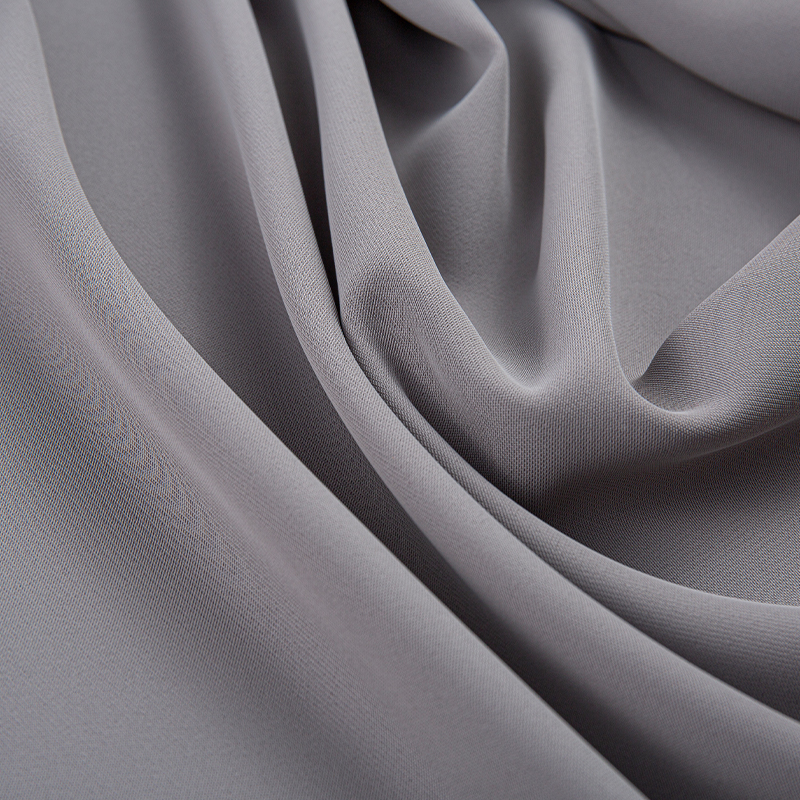
Different fiber cross-sections influence water transport and evaporation rates. Hollow fibers can store and channel moisture more effectively than round fibers, while trilobal fibers increase surface area for evaporation.
| Fiber Shape | Moisture Wicking | Breathability | Elastic Recovery |
|---|---|---|---|
| Round | Medium | Medium | High |
| Hollow | High | High | Medium |
| Trilobal | High | Very High | High |
Hydrophilic additives enhance capillary action, drawing sweat away from the skin surface. Surface treatments work immediately, whereas embedded additives provide long-term wicking performance.
| Additive Type | Initial Wicking | Durability (After 50 Washes) | Effect on Fabric Hand |
|---|---|---|---|
| Surface-applied | High | Medium | Soft |
| Embedded | Medium | High | Neutral |
Elasticity and knit structure directly influence sweat transport. Higher stretch improves fit but may reduce wicking if fiber density is too low. Comparing high-performance 4 way stretch polyester fabric and breathable athletic polyester fabric, optimized fiber shape and hydrophilic treatment maximize comfort without sacrificing durability.
| Fabric Sample | AATCC 197 Wicking (cm/30min) | ASTM E96 WVTR (g/m²/day) |
|---|---|---|
| Hollow + Surface Hydrophilic | 12 | 6000 |
| Trilobal + Embedded Hydrophilic | 10 | 6500 |
| Round + Surface Hydrophilic | 8 | 5200 |
For optimal sportswear performance, combine trilobal or hollow fiber cross-sections with embedded hydrophilic additives. This strategy ensures 4 way stretch polyester fabric provides excellent moisture-wicking, breathability, and comfort, meeting AATCC 197 and ASTM E96 standards.

Phone: +86 18806251599
TEL: +86 0512 63062555

Address: No. 1788, Yuanqu Road, Shengze Town, Wujiang District, Suzhou City, Jiangsu Province, China