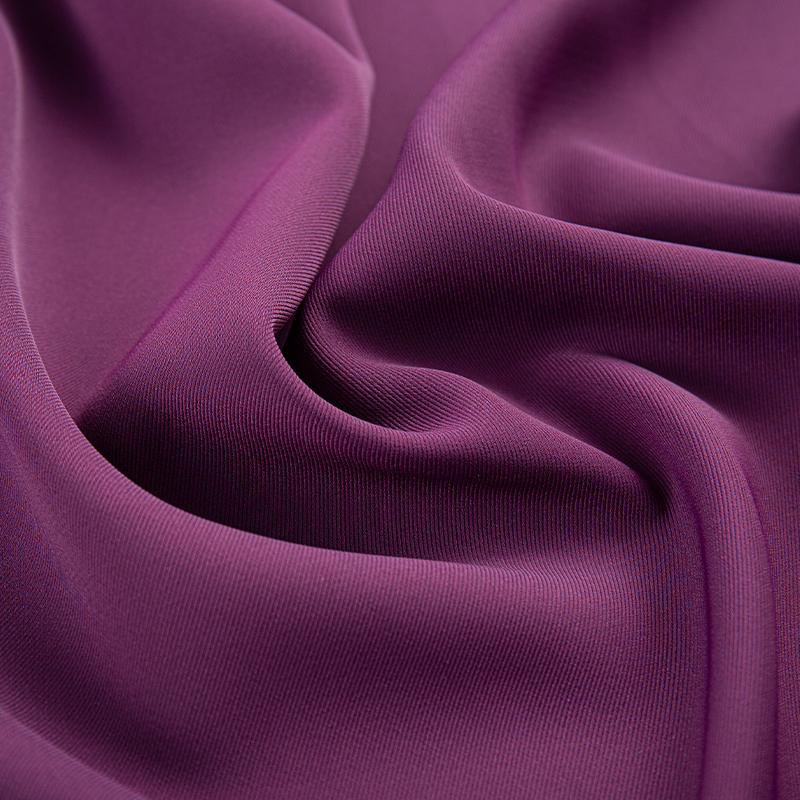
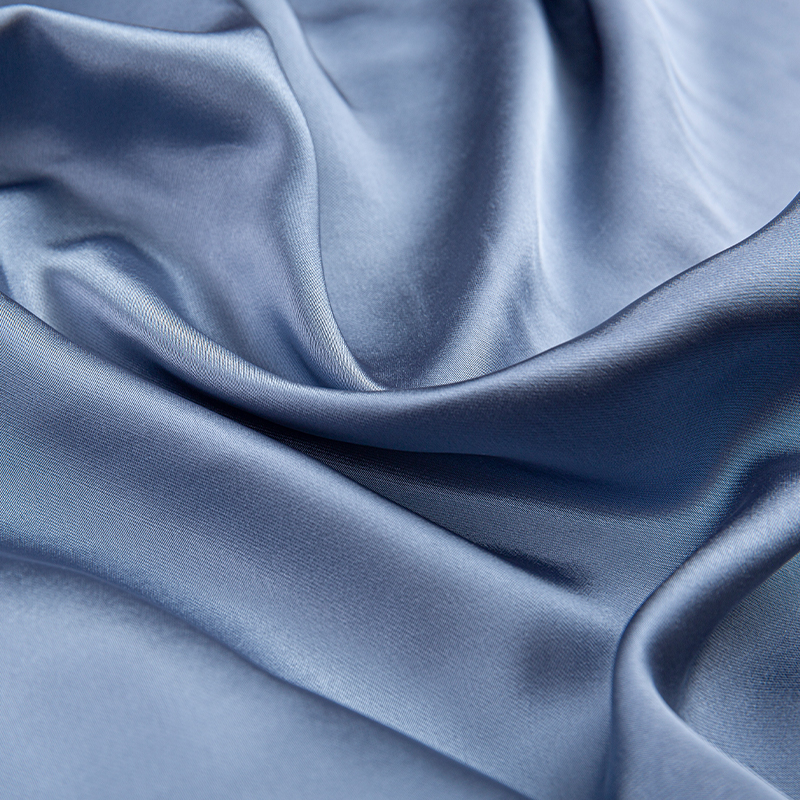
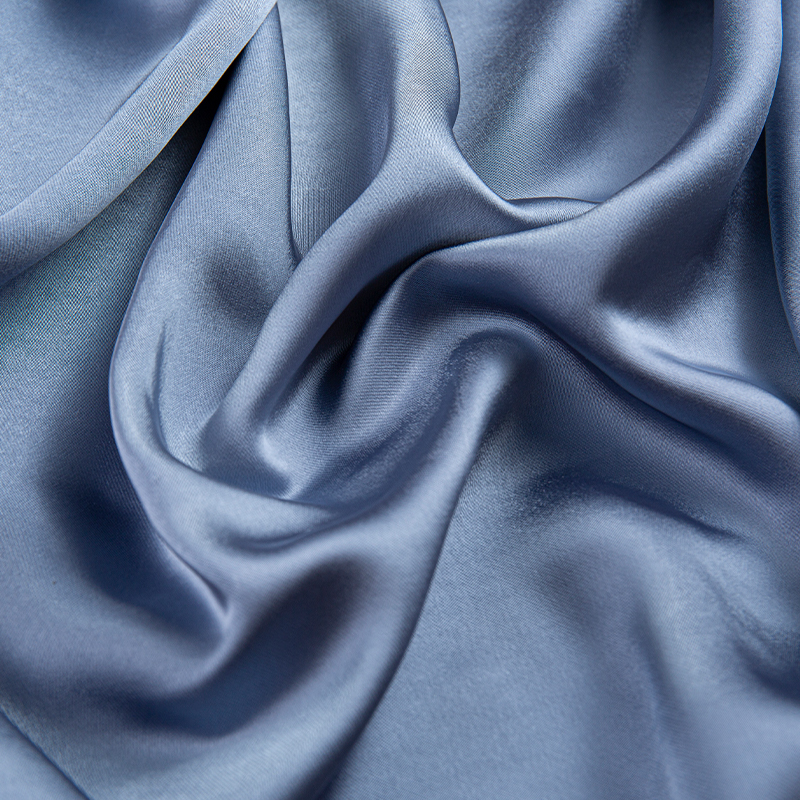
In the rapidly evolving textiles market, sourcing the right fabric for bulk production is critical. For companies looking to purchase high-quality satin fabrics, analyzing the differences between satin silk cloth fabric wholesale and other satin materials is key to achieving cost-effective, performance-driven outcomes. This article offers a professional, in-depth comparison covering price, performance and use cases, helping procurement teams make informed decisions.
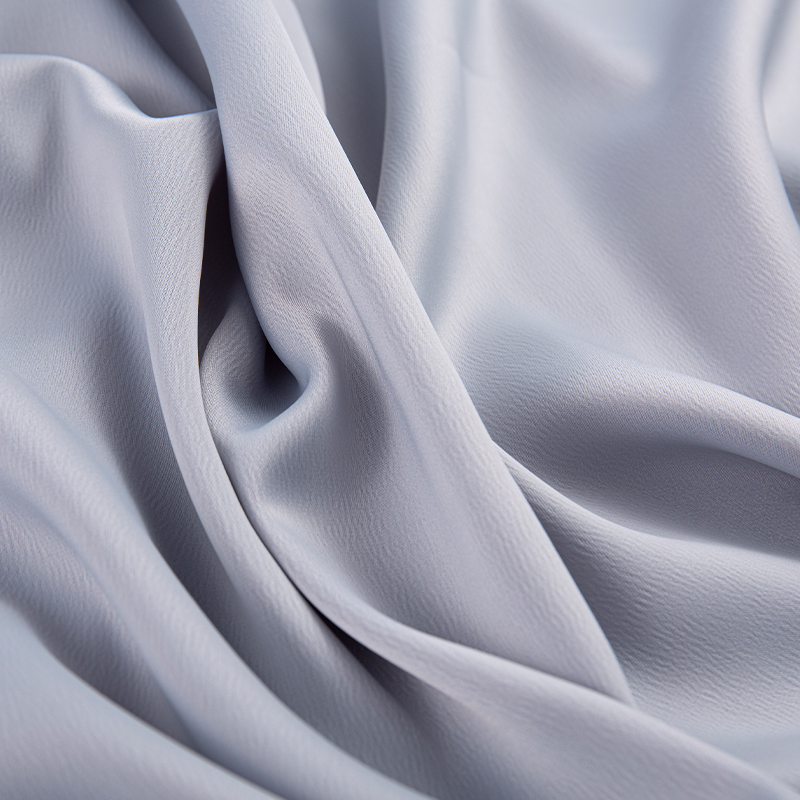
HY228 190GSM Ant Crepe Satin, Medium Ant Silk Dress Shirt Fashion Gray Fabric
What is satin silk cloth fabric wholesale and why it matters
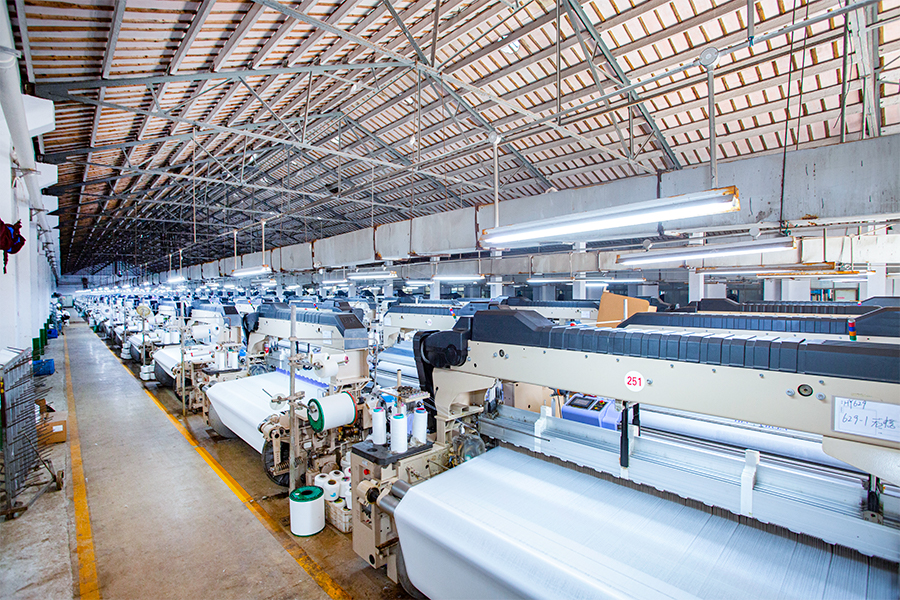
The term satin silk cloth fabric wholesale refers to fabrics woven in a satin weave using silk fibers or high-grade silk blends and offered in bulk quantities at wholesale pricing. Silk is a natural protein fiber with exceptional drape and luster. Buying in wholesale allows manufacturers and designers to secure large volumes at competitive cost. Large-scale producers can provide stable quality and full factory support. The advantage is that you can integrate bulk satin silk cloth fabric wholesale into your supply chain with confidence in both capacity and consistency.
Understanding other satin-material alternatives
Common satin materials (polyester satin, cotton satin, silk-blend satin)
- Polyester satin: satin weave using synthetic fibers, lower cost.
- Cotton satin: uses cotton fiber with satin weave, moderate cost and moderate performance.
- Silk-blend satin: blends silk with synthetic or other natural fibers, offers intermediate performance and cost.
Key differences in weave vs fiber
Satin refers to the weave structure, but the fiber content heavily influences properties such as drape, durability and feel. For instance, polyester satin can mimic the sheen of silk satin but differs significantly in breathability and tactile quality. Silk satin provides premium feel, natural luster, and excellent drape.
Price comparison: bulk satin silk cloth fabric wholesale vs other satin materials
Cost factors influencing wholesale satin silk vs others
- Raw material cost: silk fibers are significantly more expensive than polyester or cotton.
- Weave complexity: higher momme (weight) silk satin increases cost.
- Production scale & factory capacity: large-scale producers can amortize fixed costs across volume.
- Dyeing, finishing and quality control: premium finishing adds cost.
Typical price ranges & budget tips
Silk satin fabric in bulk generally has a higher cost base than synthetic satins. To manage budget while opting for silk satin, consider ordering larger volumes, negotiating MOQs, or selecting slightly lower momme weight.
Price Comparison Table
| Fabric Type |
Estimated Wholesale Cost |
Cost-Advantage / Disadvantage |
| Silk satin (100% silk) |
Highest |
Best quality, higher cost |
| Silk-blend satin |
Medium |
Balanced cost/performance |
| Polyester satin |
Lowest |
Lowest cost, lower performance |
Performance comparison: durability, drape, appearance & finishing
Durability & wear-resistance
- Silk satin: strong filament fibers, good drape and strength when woven properly.
- Polyester satin: high abrasion resistance but less premium feel.
- Cotton satin: moderate durability, less sheen and drape than silk satin.
Drape, sheen and hand-feel
- Silk satin: smooth, lustrous, excellent drape, premium tactile experience.
- Polyester satin: can mimic sheen but often feels stiffer, less breathable.
- Cotton satin: matte finish, less fluid drape.
Maintenance, dyeability and finishing
- Silk satin: requires careful handling, allows high-quality dyeing and finishing.
- Polyester satin: easier maintenance, but limited dye depth.
- Cotton satin: easy care but less luxurious feel.
Performance Comparison Table
| Fabric Type |
Drape/Feel |
Sheen |
Maintenance |
| Silk satin |
Excellent |
High gloss |
Requires care |
| Silk-blend satin |
Good |
Moderate gloss |
Moderate care |
| Polyester satin |
Fair |
Moderate-High gloss |
Low care |
Use-case comparison: wholesale satin silk fabric for garments, upholstery, décor, etc.
Garments and fashion applications
- Silk satin: evening gowns, luxury lingerie, high-end blouses.
- Silk-blend satin: mid-range fashion, bridal lines.
- Polyester satin: cost-effective linings, mass-market dresses.
Upholstery, home textiles and décor uses
- Silk satin: premium cushions, drapes, table covers.
- Silk-blend satin: upholstery accents, décor with better cost balance.
- Polyester satin: event décor, general budget applications.
Other industrial or event applications
- Stage draping, exhibition backdrops, event furniture covers.
- Large-volume procurement benefits from bulk sourcing such as satin silk cloth fabric wholesale for upholstery.
Use-case Comparison Table
| Fabric Type |
Fashion Garments |
Home Décor / Upholstery |
Event/Industrial Use |
| Silk satin |
Luxury high-end |
Premium décor |
Low volume projects |
| Silk-blend satin |
Mid-luxury |
Balanced décor |
Moderate volume projects |
| Polyester satin |
Mass market |
Budget décor |
High volume cost-sensitive use |
How to choose: procurement tips for sourcing affordable satin silk cloth fabric wholesale rolls
Supplier selection & factory capacity
- Ensure supplier has sufficient production capacity and facilities to meet bulk demand.
- Check production lines, finishing, and quality control protocols.
- Confirm MOQ, delivery time, and logistics reliability.
Specification review (momme, width, finish)
- Verify fabric weight (momme) for durability.
- Check fabric width suitability.
- Inspect finishing quality: color fastness, shrinkage, uniformity.
Quality control, sampling, MOQ & logistics
- Request samples to check drape, sheen, and hand-feel.
- Negotiate MOQ to optimize unit cost.
- Confirm shipping times and terms to avoid delays.
Conclusion
Choosing the right satin fabric for procurement depends on fiber content, cost, and intended application. For premium drape, tactile luxury, and high-end finish, satin silk cloth fabric wholesale offers the best value despite higher costs. For cost-sensitive, high-volume projects, alternative satin materials may suffice. Structured comparison of cost, performance, and use cases helps determine whether investing in silk satin is justified. Reliable manufacturers ensure consistent quality and large-scale production capability.
FAQ
- Q1. What minimum order quantity is typical for premium satin silk cloth fabric wholesale yardage?
A: Large-scale suppliers often support hundreds of yards; discuss MOQ with your supplier before ordering.
- Q2. Can a satin blend replace pure silk satin to reduce cost?
A: Yes, a satin blend balances cost and performance but compromises drape and premium feel.
- Q3. Is it worth sourcing satin silk cloth fabric wholesale for upholstery for luxury décor?
A: Yes, if luxury finish and durability are key; otherwise, satin blend is more cost-effective.
- Q4. How can I assess bulk satin silk quality before ordering?
A: Request samples, inspect momme, width, color, sheen, drape, and shrinkage. Supplier capacity indicates reliability.
- Q5. What are the main cost drivers comparing silk satin vs other satin materials?
A: Raw material, fabric weight, finishing, production scale, and logistics affect unit cost.

 English
 中文简体
中文简体