 English
 中文简体
中文简体
Home / News / Industry News / Satin Weave Density Analysis for Optimal Satin silk cloth fabric wholesale Luster
Industry News
Content
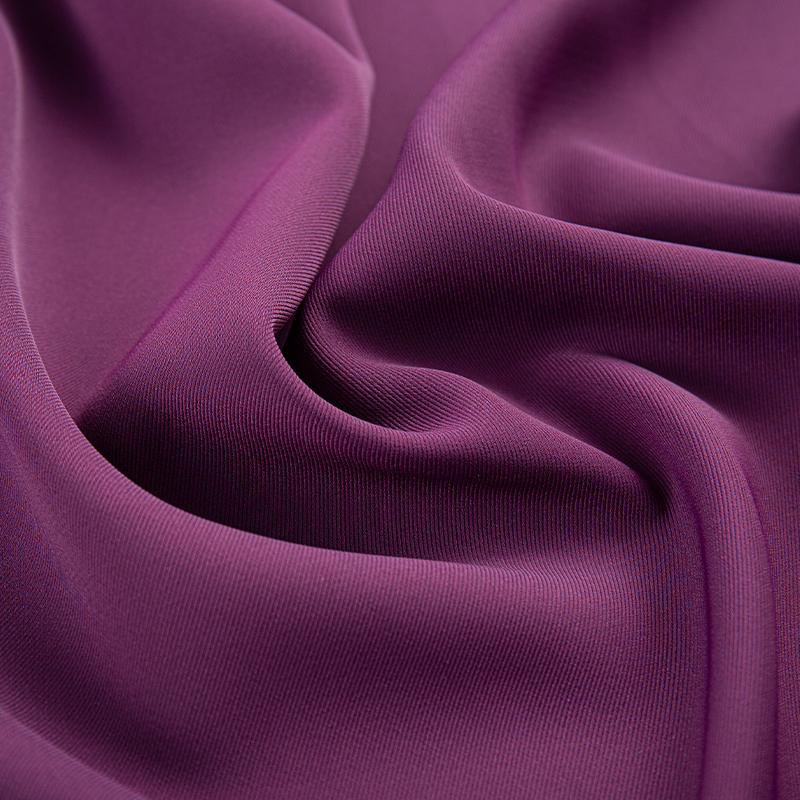
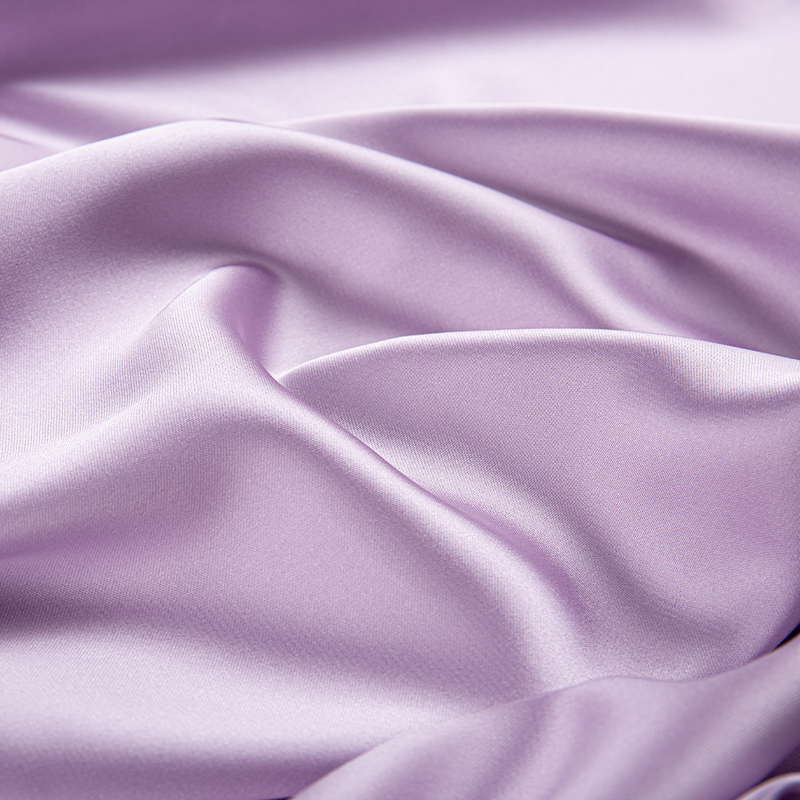
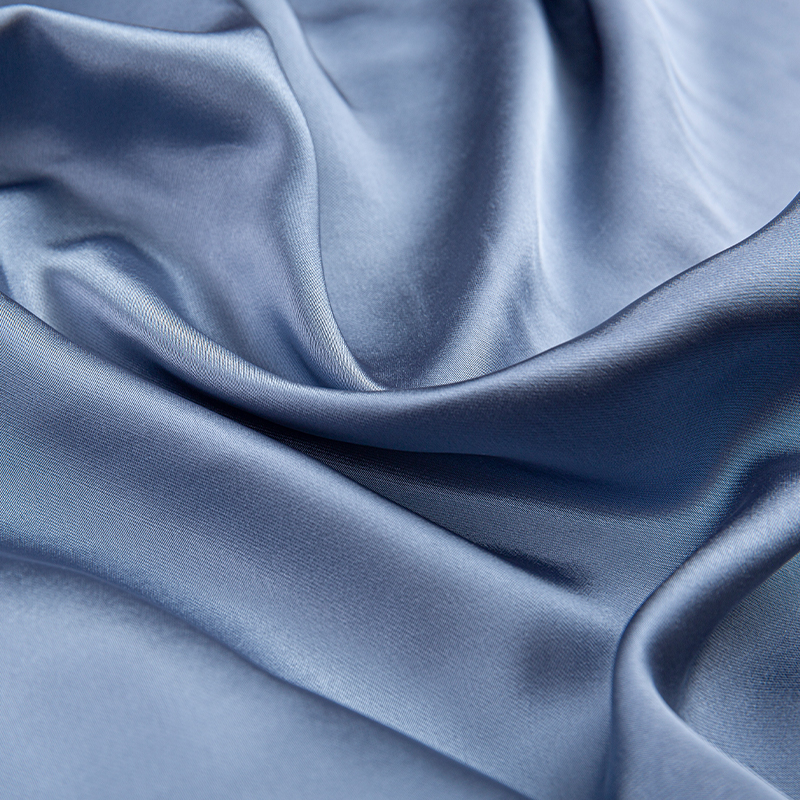
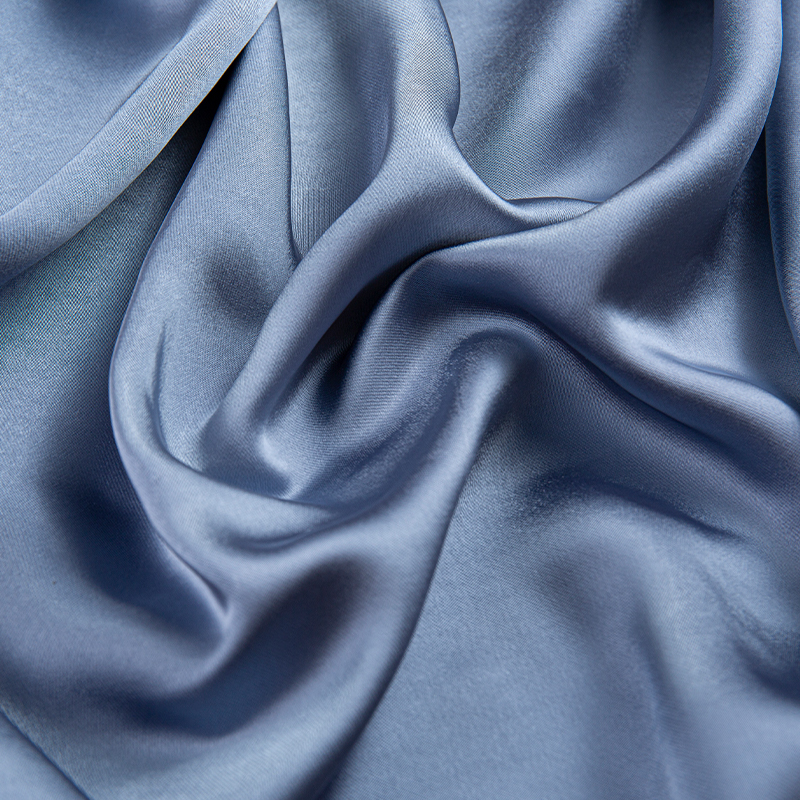
In the luxury textile market, the hallmark of high-quality **Satin silk cloth fabric wholesale** is its unmistakable, deep luster and luxurious hand feel. This radiance is not incidental; it is a direct, quantifiable result of precise weave geometry and fiber density. For B2B buyers—from designers to major textile converters—mastering the **Satin weave structure** analysis is key to reliable procurement. WuJiang City Hongyuan Textile Co., Ltd., located in the "Silk Capital," utilizes over $30$ years of industry experience and advanced weaving technology, including $500$ water jet looms, to ensure the consistent quality of our satin silk production.
The brilliance of satin is a physics problem solved by minimizing light scattering.
The **Silk fabric density** for optimal sheen is measured by the threads per inch (or centimeter) in both the warp and weft directions. A higher density is essential because it pulls the threads closer together, creating a nearly continuous, mirror-like surface. This highly packed structure reduces the number of small gaps and textural imperfections that would scatter light, thereby concentrating reflection and intensifying the characteristic satin luster.
Satin is defined by its long warp "floats," where the warp thread passes over multiple weft threads before being secured beneath one. Analyzing the **Warp and weft ratio** (e.g., $4:1, 5:1, 8:1$) reveals the length of these light-reflecting floats. A higher ratio, such as $8:1$, means the silk fibers have a longer, uninterrupted segment on the surface to catch and reflect light, which translates directly to greater luster. This structural optimization is paramount for **Achieving superior silk luster** wholesale.
Comparison: Warp/Weft Ratio vs. Luster Intensity:
| Warp/Weft Ratio | Luster Intensity | Impact on Hand Feel |
|---|---|---|
| 3/1 (Sateen/Basic Satin) | Moderate Luster | Good, but slightly coarser due to shorter floats |
| 8/1 (High-Float Satin) | Superior Luster (Ideal for luxury **Satin silk cloth fabric wholesale**) | Extremely smooth and soft due to long floats |
Precision weaving and stringent quality checks are necessary to translate raw density into luxury luster.
Maintaining **High thread count satin** quality control is critical, particularly given the fineness of silk threads. Our specialized water jet looms and advanced warp drawing equipment (part of our complete front-end supporting facilities) are meticulously calibrated to prevent irregularities such as skipped threads or inconsistent tension, which can break the warp floats and result in dull, uneven patches. The tolerance for thread density deviation in high-end **Satin silk cloth fabric wholesale** should be minimal, typically less than $2\%$.
Beyond weaving, specialized finishing techniques are essential for **Achieving superior silk luster** wholesale. Processes like mercerization (though less common with natural silk) or precise mechanical calendering smooth the fabric surface further after weaving. Our use of dedicated equipment, including $400$ double twisting machines, ensures the yarn itself has minimal fuzz and maximal cohesion, ready for a flawless **Satin weave structure** that facilitates superior luster.
B2B buyers must know how to inspect the fabric to ensure the aesthetic quality remains consistent.
Defects in the **Satin weave structure** can severely compromise the fabric's value. Procurement specialists should perform a detailed visual inspection for "warp floats that are too short" or "weft bars," which appear as horizontal or vertical streaks where the luster is suddenly interrupted. These structural defects are permanent and diminish the fabric's luxury appeal, negating the benefits of high **Silk fabric density** for optimal sheen.
A high **Silk fabric density** for optimal sheen also inherently improves the fabric's physical properties, resulting in a heavier, more substantial fabric with an exquisite drape and a soft, full hand feel. This is a critical factor for garment manufacturers designing flowing dresses or luxury bedding, as it directly impacts the final product's perceived quality and price point.
For B2B buyers sourcing **Satin silk cloth fabric wholesale**, the technical parameters of the weave—specifically the **Warp and weft ratio** and overall **Silk fabric density**—are the most reliable predictors of luster and quality. Insisting on stringent **High thread count satin** quality control and verified **Satin weave structure** analysis is essential for **Achieving superior silk luster** wholesale. WuJiang City Hongyuan Textile Co., Ltd. is your trusted partner in the "Silk Capital," providing technologically advanced weaving and processing to ensure first-class satin silk quality.

Phone: +86 18806251599
TEL: +86 0512 63062555

Address: No. 1788, Yuanqu Road, Shengze Town, Wujiang District, Suzhou City, Jiangsu Province, China