 English
 中文简体
中文简体
Home / News / Industry News / What Details Should I Pay Attention to When Purchasing Satin Silk Cloth Fabric?
Industry News
Content
Purchasing high-quality satin silk cloth fabric requires careful attention to numerous details that distinguish premium materials from inferior alternatives. This luxurious textile, renowned for its distinctive glossy surface and fluid drape, varies significantly in quality, performance characteristics, and appropriate applications based on manufacturing techniques, fiber content, and finishing processes. This comprehensive guide examines the critical details to evaluate when selecting satin silk cloth fabric, providing both novice and experienced buyers with the knowledge needed to make informed purchasing decisions for fashion, home decor, and specialty applications.
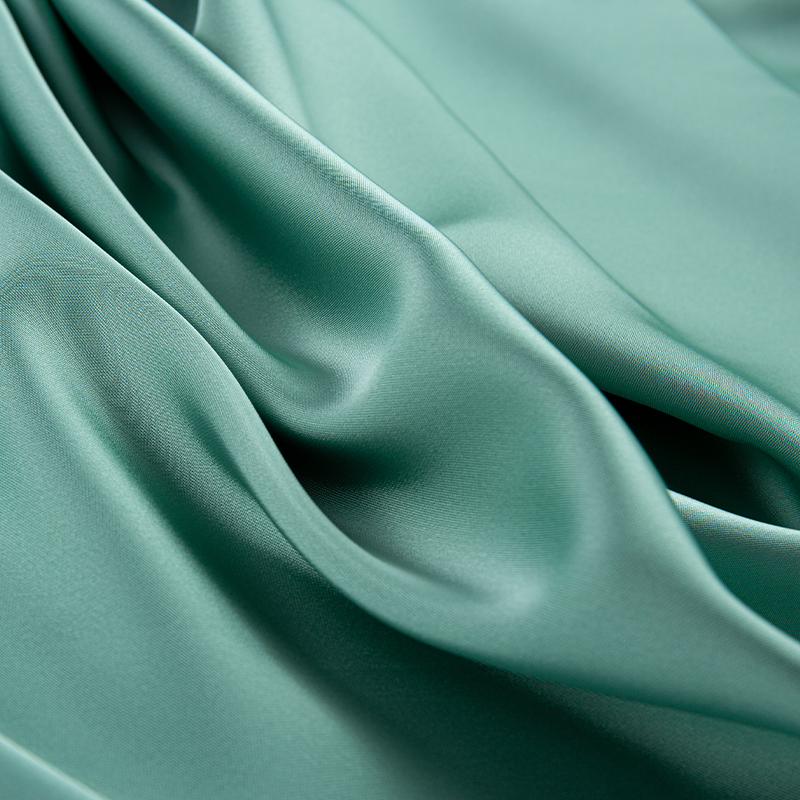
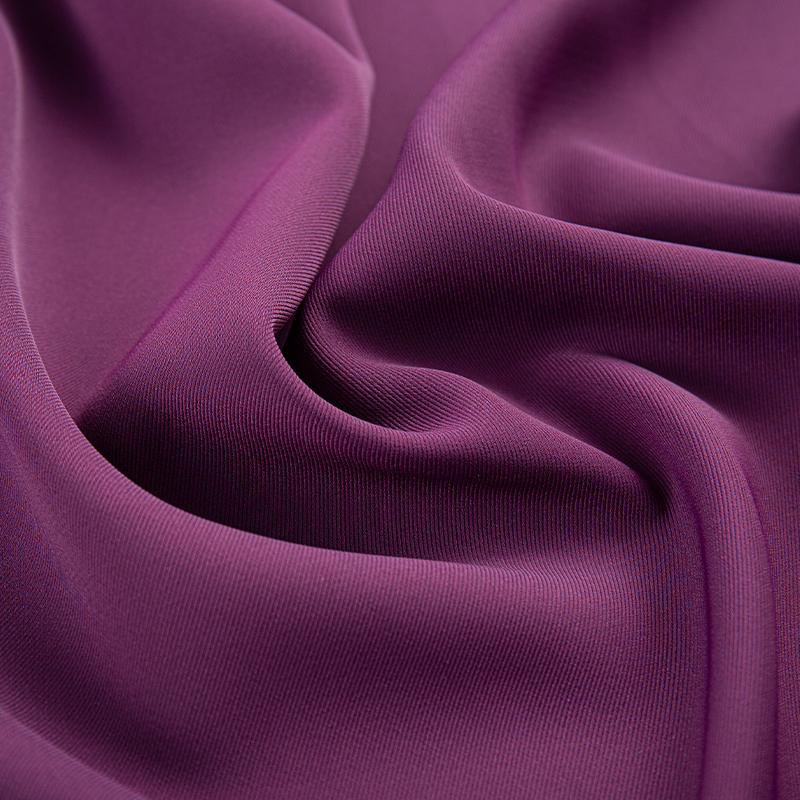
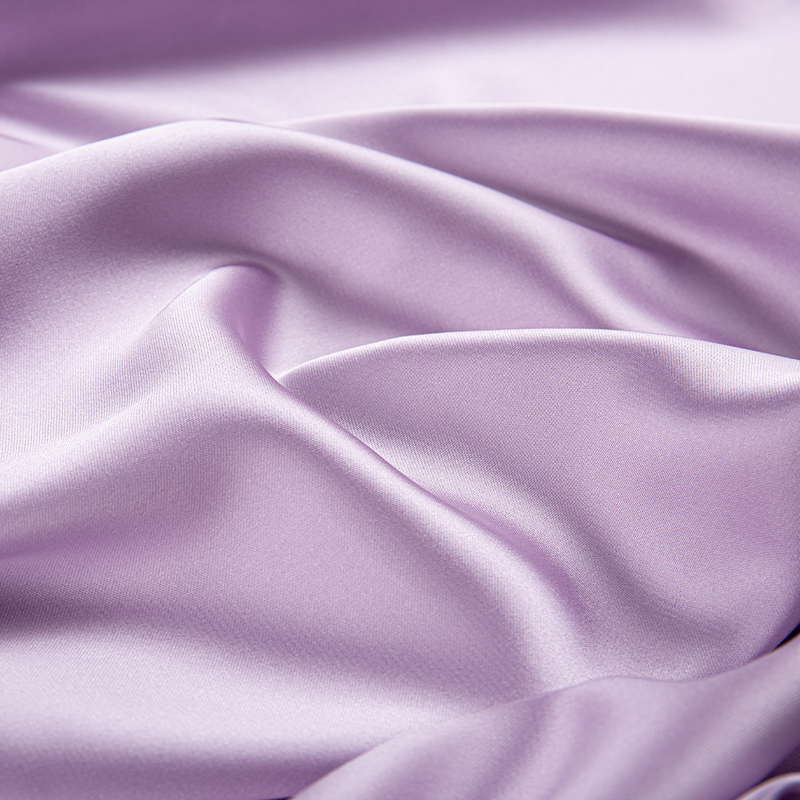
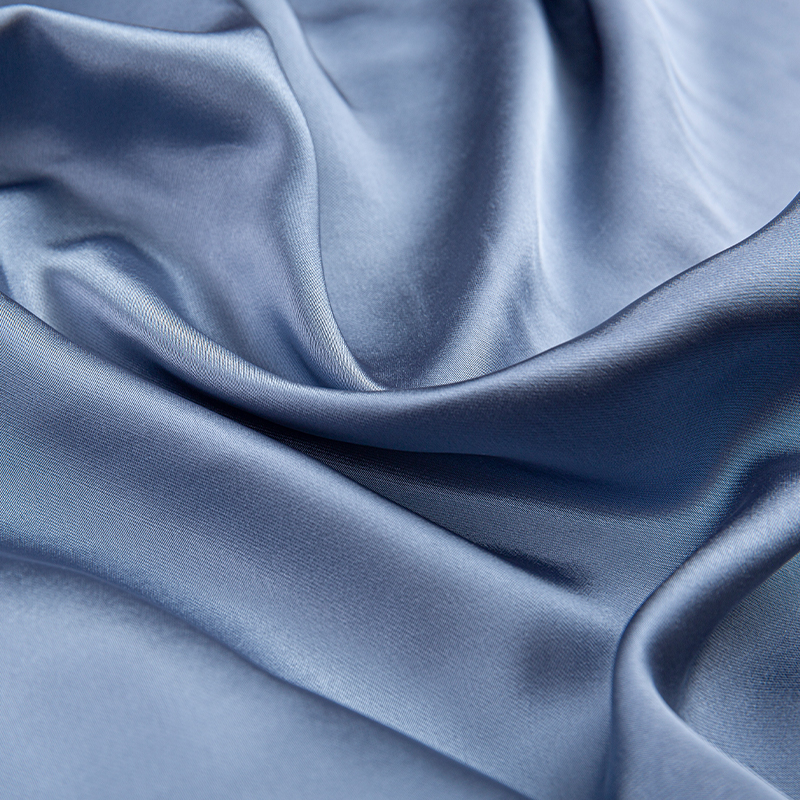
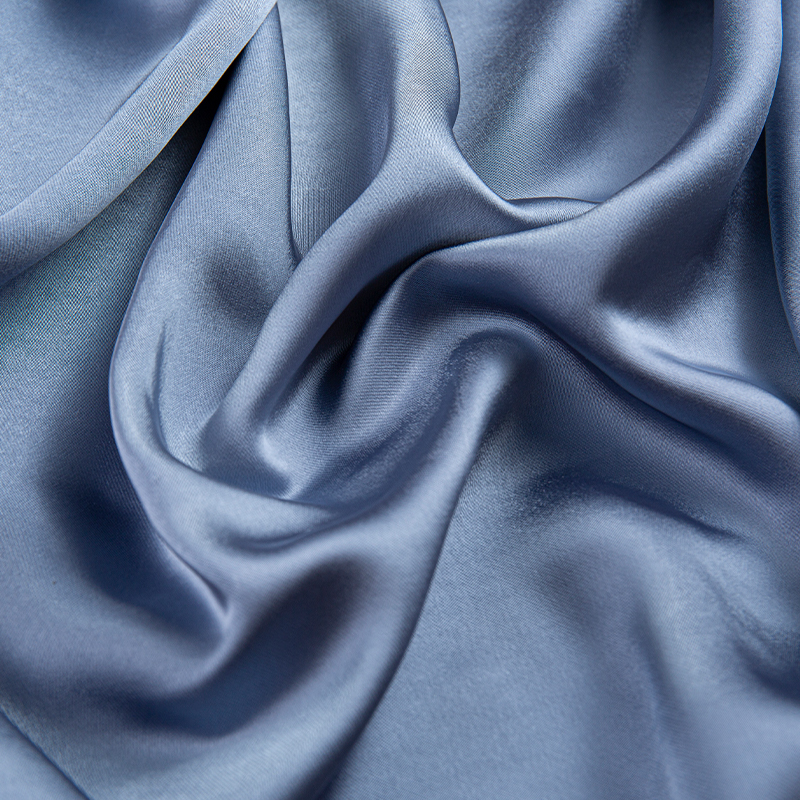
HY386 172GSM Imitation Acetate Double Satin Chiffon Fabric, Imitation Silk Fashion Fabric
The fundamental distinction between satin as a weave structure and silk as a fiber content represents the most critical concept for prospective buyers of satin silk cloth fabric to understand. Satin refers specifically to a weaving technique characterized by floating warp yarns that create the characteristic smooth, lustrous surface, while silk denotes the natural protein fibers produced by silkworms. This distinction is crucial because many fabrics marketed as "satin" may contain little or no actual silk, instead utilizing synthetic fibers that mimic silk's appearance but offer different performance characteristics and care requirements.
The weight and thickness of satin silk cloth fabric significantly influence its drape, durability, and appropriate applications, making these physical characteristics essential evaluation criteria during the purchasing process. Fabric weight, typically measured in momme (mm) for silk fabrics, indicates the density and substantiality of the material, with higher weights generally denoting better quality and durability. Understanding how weight correlates with different applications ensures selection of fabric with appropriate characteristics for specific projects and usage scenarios.
The quality grading of silk used in satin silk cloth fabric significantly impacts appearance, performance, and longevity, making quality assessment a crucial step in the purchasing process. Silk grading involves multiple factors including fiber length, consistency, color, and the presence of imperfections. Understanding these grading systems and quality indicators enables buyers to distinguish between different quality levels and make informed decisions based on their specific quality requirements and budget constraints.
Selecting the appropriate type of satin silk cloth fabric requires understanding how different variations perform across key characteristics relevant to specific applications. Various satin silk types offer distinct advantages in areas like sheen intensity, drape quality, durability, and appropriate usage scenarios. The table below compares common satin silk fabric types to inform selection decisions based on project requirements and performance priorities:
| Fabric Type | Sheen Level | Drape Quality | Durability | Common Applications | Care Requirements |
| Charmeuse | Very High (dull back) | Fluid, clinging | Moderate | Lingerie, eveningwear, blouses | Delicate handling |
| Duchess Satin | Moderate, dignified | Structured, firm | High | Bridalwear, formalwear, drapery | More robust |
| Crepe-back Satin | High (reversible) | Fluid with texture | Moderate to High | Garments, accessories, decor | Moderate care |
| Antique Satin | Subtle, irregular | Substantial drape | High | Upholstery, heavy drapery | Robust |
| Stretch Satin | High | Conforming, flexible | Moderate | Form-fitting garments, dancewear | Moderate care |
This comparison demonstrates why understanding specific fabric characteristics is essential when selecting satin silk cloth fabric for different applications and performance requirements.
The color fastness and dye quality of satin silk cloth fabric significantly impact appearance retention, care requirements, and overall satisfaction with the finished product. High-quality dyeing processes ensure vibrant, even coloration that resists fading, bleeding, and crocking (color transfer), while inferior dye jobs can lead to disappointing results and limited usability. Understanding how to assess dye quality enables selection of fabrics that will maintain their beautiful appearance through cleaning and use.
The technical perfection of the satin weave and the presence of surface imperfections significantly influence the appearance, performance, and perceived quality of satin silk cloth fabric. A flawless weave with consistent yarn floating creates the characteristic smooth, reflective surface that defines premium satin, while weaving flaws, slubs, or inconsistencies detract from both aesthetics and durability. Understanding how to identify weaving quality enables selection of fabrics that meet quality expectations for specific applications and price points.
The care requirements and maintenance considerations for satin silk cloth fabric vary significantly based on specific fiber content, weave density, finishing treatments, and dye processes. Understanding these care requirements before purchase ensures selection of fabrics compatible with intended use patterns and maintenance capabilities. Different satin silk types may require specialized cleaning methods, storage conditions, and handling techniques that influence their practical suitability for specific applications and users.
The reputation and reliability of vendors supplying satin silk cloth fabric significantly influence the quality, authenticity, and overall satisfaction with purchases. Different suppliers offer varying levels of quality consistency, customer service, and technical expertise that can dramatically impact the purchasing experience and final results. Understanding how to evaluate vendors and verify fabric sources ensures transactions with reputable suppliers who provide accurate product descriptions, quality materials, and appropriate support.
Distinguishing genuine satin silk cloth fabric from synthetic alternatives involves multiple verification methods including the burn test, visual inspection, tactile evaluation, and price consideration. For the burn test, genuine silk burns slowly, smells like burning hair, and leaves crushable black ash, while synthetic fibers melt, smell chemical, and leave hard plastic beads. Visually, real silk typically shows subtle variations and a deep, luminous sheen rather than the uniform, plastic-like shine of synthetics. Tactilely, silk feels smoothly cool against the skin and becomes warmer with contact, while synthetics often feel consistently cool or slightly sticky. Additionally, genuine silk commands a significantly higher price than synthetic alternatives. When possible, purchase from reputable suppliers who provide detailed fiber content information and have established credibility in the textile market.
The ideal momme weight for satin silk cloth fabric varies based on specific project requirements and desired characteristics. For delicate lingerie, blouses, and scarves, lighter weights between 12-16 momme provide beautiful drape and comfortable wear. For dresses, eveningwear, and luxury bedding, medium weights of 19-22 momme offer excellent durability while maintaining fluid movement. For structured garments, upholstery, and heavy drapery, weights of 25-30 momme provide substantial body and enhanced durability. Generally, higher momme weights indicate better quality, increased opacity, and longer wear, but also higher cost. When selecting weight, consider both the structural requirements of your project and the desired drape characteristics, balancing practical needs with aesthetic preferences for optimal results.
Yes, several ethical considerations arise when purchasing satin silk cloth fabric, primarily concerning silk production methods and labor practices. Traditional silk production involves boiling silkworms in their cocoons to harvest continuous filaments, which raises animal welfare concerns for some consumers. Alternative peace silk or ahimsa silk allows moths to emerge naturally before processing broken filaments, addressing these concerns but producing different fabric characteristics. Additionally, ethical sourcing considers labor conditions throughout the supply chain, from sericulture to weaving and finishing. Environmental impacts of dyeing processes and chemical treatments also represent important considerations. When ethical production is important, look for certifications, supplier transparency, and specific ethical silk options that align with your values while meeting your quality requirements for satin silk projects.
When purchasing satin silk cloth fabric, acquiring additional material beyond the exact pattern requirements is essential to accommodate matching patterns, potential cutting errors, and future repairs. For solid colors without directional patterns, adding 10-15% beyond pattern requirements typically suffices. For fabrics with large repeats or directional patterns, 20-25% additional fabric ensures proper pattern matching at seams. Complex garments with multiple pieces or bias cutting may require 15-20% extra material. Additionally, consider purchasing extra for testing cleaning methods, practicing sewing techniques, and creating care samples. For precious or irreplaceable fabrics, additional yardage provides insurance against future damage or alterations. Always consult specific pattern requirements and consider your experience level when determining how much extra fabric to purchase for satin silk projects.
While both satin silk cloth fabric and silk charmeuse utilize the satin weave structure, they represent distinct fabric types with different characteristics. Silk satin typically has a more substantial weight, structured drape, and moderate sheen, making it suitable for structured garments, bridal wear, and home decor. Silk charmeuse is lighter weight with a more fluid, clinging drape and intense glossy surface on one side with a dull finish on the reverse. Charmeuse excels in lingerie, flowing garments, and linings where soft drape is desired. The difference primarily lies in yarn size, weave density, and finishing techniques that create their distinctive handling properties. Understanding these differences enables selection of the most appropriate fabric for specific projects based on desired drape, sheen intensity, and structural requirements.

Phone: +86 18806251599
TEL: +86 0512 63062555

Address: No. 1788, Yuanqu Road, Shengze Town, Wujiang District, Suzhou City, Jiangsu Province, China