 English
 中文简体
中文简体
Industry News
Content
- 1 Understanding Satin Silk Fabric Structure and Vulnerabilities
- 2 Pre-Cleaning Inspection and Stain Identification
- 3 Hand Washing Techniques for Satin Silk Preservation
- 4 Comparative Analysis of Cleaning Methods for Satin Silk
- 5 Drying Methods and Moisture Management
- 6 Ironing and Steaming Techniques for Wrinkle Removal
- 7 Storage Solutions for Long-Term Preservation
- 8 FAQ
- 8.1 Can satin silk fabric be machine washed?
- 8.2 What are the best stain removal techniques for satin silk?
- 8.3 How can I prevent yellowing of white satin silk over time?
- 8.4 What is the difference between dry cleaning and professional silk cleaning?
- 8.5 How do I restore shine to dull-looking satin silk fabric?
Satin silk cloth fabric represents one of the most luxurious and delicate textiles, prized for its distinctive glossy surface, fluid drape, and sensuous texture. However, these very qualities that make satin silk so desirable also render it particularly vulnerable to damage from improper cleaning methods, harsh chemicals, and incorrect handling. This comprehensive guide provides detailed, professional care instructions for maintaining the beauty and integrity of your satin silk cloth fabric items, from elegant evening wear to luxurious bedding and delicate accessories. By understanding the unique properties of this exquisite fabric and implementing proper care techniques, you can extend the lifespan of your silk investments while preserving their magnificent appearance.
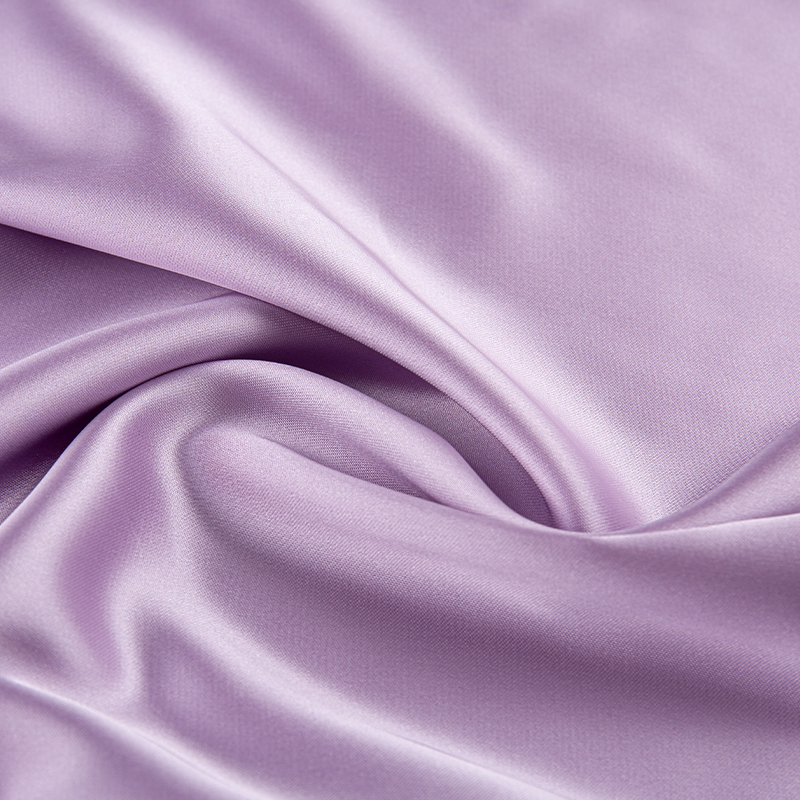
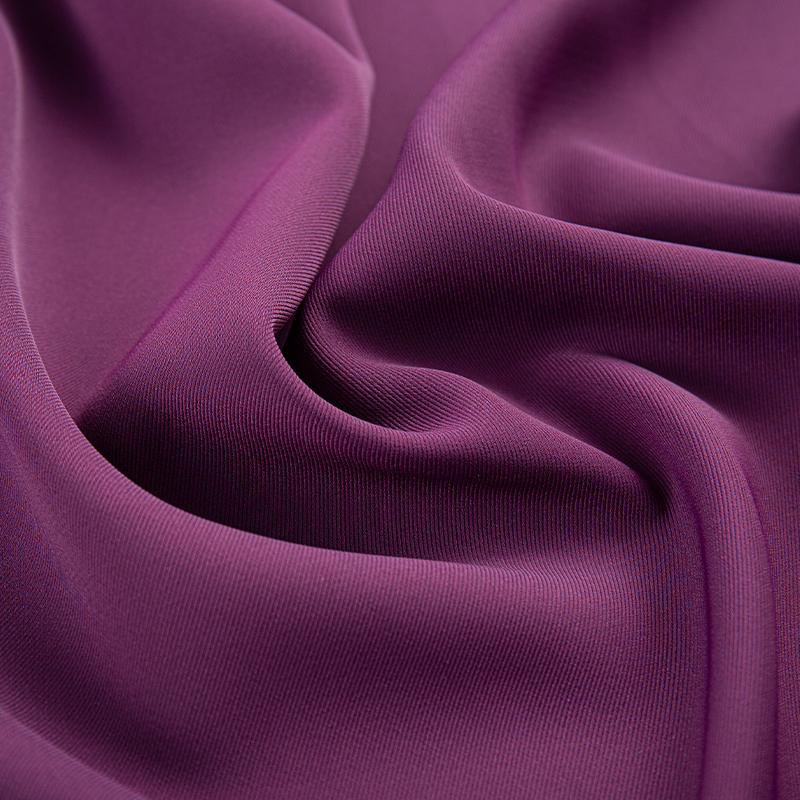
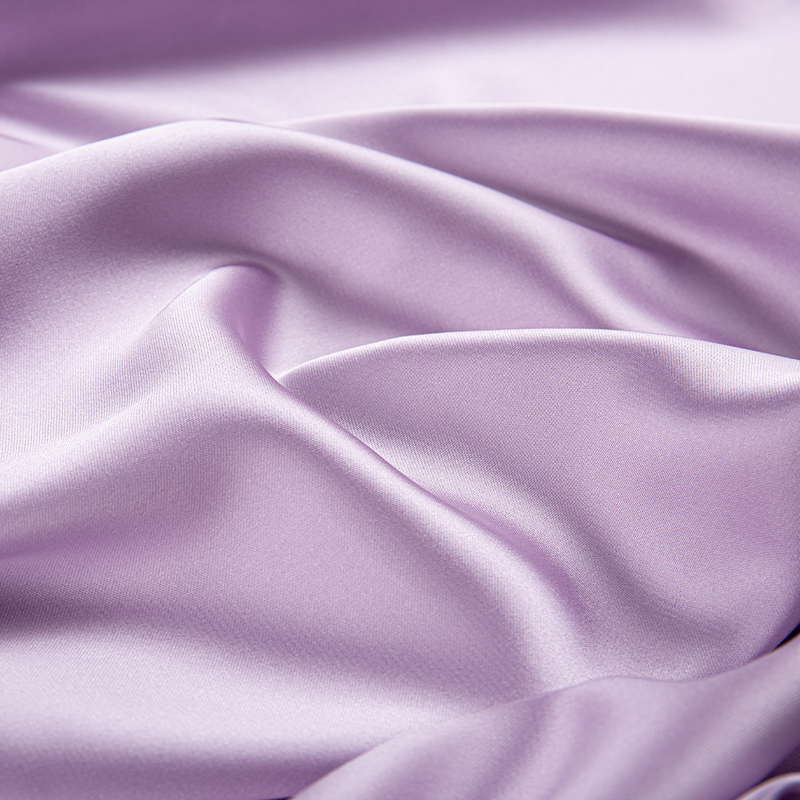
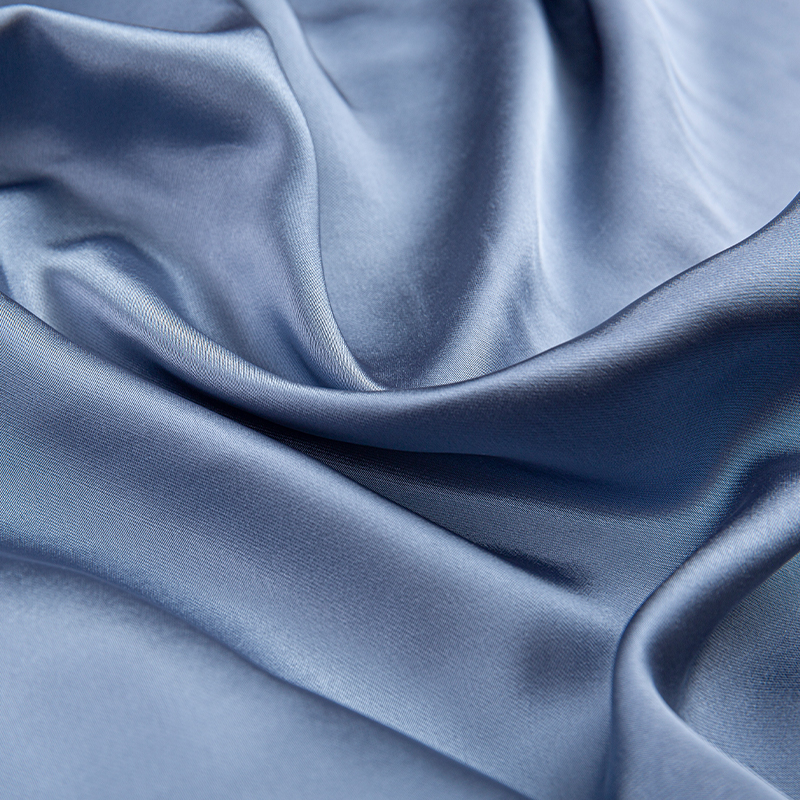
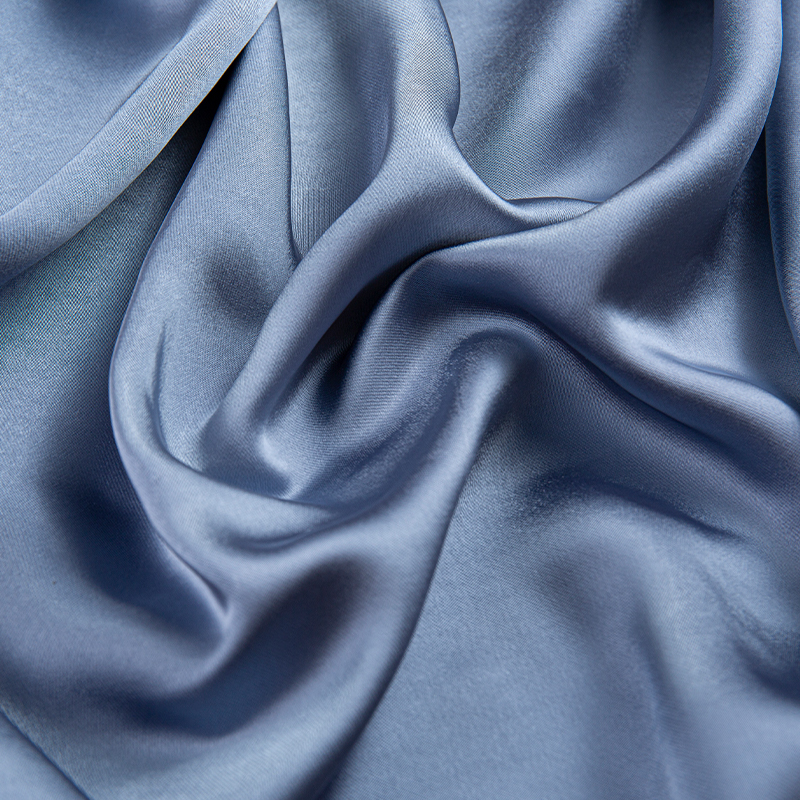
HY323 weft elastic satin fabric for clothing, dresses, high-end underwear
Understanding Satin Silk Fabric Structure and Vulnerabilities
The distinctive characteristics of satin silk cloth fabric stem from its unique weave structure and the natural protein fibers that compose silk threads. In satin weave, the warp yarns float over multiple weft yarns before passing under one, creating the characteristic smooth, lustrous surface that reflects light beautifully. Meanwhile, silk fibers themselves are composed of fibroin proteins that give the fabric its strength, elasticity, and distinctive hand feel. Understanding this combination of weave structure and fiber composition is essential for implementing appropriate care practices that address the fabric's specific vulnerabilities while preserving its luxurious qualities.
- Weave Structure Sensitivity: The long floats on the fabric surface are prone to snagging, pulling, and abrasion damage from rough surfaces.
- Protein Fiber Characteristics: Silk fibers are sensitive to alkaline environments, excessive heat, and prolonged moisture exposure that can weaken molecular bonds.
- Dye Absorption Properties: Silk readily absorbs dyes but can also be susceptible to color bleeding and fading if improperly treated during cleaning.
- Moisture Management: Silk can absorb up to 30% of its weight in moisture without feeling damp, but excessive water can damage the fiber structure.
- Static Electricity Tendency: The smooth surface generates static electricity, attracting dust and requiring anti-static care methods.
Pre-Cleaning Inspection and Stain Identification
Before beginning any cleaning process for satin silk cloth fabric, a thorough inspection and proper stain identification are crucial steps that prevent permanent damage and determine the safest cleaning approach. Different types of stains require specific treatment methods, and using incorrect techniques can set stains permanently or cause discoloration. Additionally, examining the fabric for existing weaknesses, loose threads, or color inconsistencies helps avoid exacerbating problems during the cleaning process. This preliminary assessment stage is arguably the most important step in preserving your silk items through proper care.
- Fabric Condition Assessment: Check for weak areas, seam integrity, color fastness, and existing damage before cleaning.
- Stain Type Identification: Determine whether stains are protein-based, oil-based, tannin-based, or dye-based to select appropriate treatment.
- Color Fastness Testing: Dab a hidden area with water and white cloth to check for color transfer before proceeding with cleaning.
- Care Label Interpretation: Understand international care symbols and manufacturer recommendations specific to your silk item.
- Pre-treatment Considerations: Address specific stains with appropriate spot treatments before overall cleaning to prevent setting during the process.
Hand Washing Techniques for Satin Silk Preservation
Hand washing represents the gentlest and most recommended cleaning method for satin silk cloth fabric, offering complete control over water temperature, agitation, and treatment of delicate areas. Unlike machine washing, which subjects silk to harsh mechanical action, hand washing allows for customized care that addresses the specific needs of each garment or textile. When performed correctly with appropriate products and techniques, hand washing can effectively clean satin silk while preserving its structural integrity, color vibrancy, and luxurious hand feel for years of continued use.
- Water Temperature Control: Use lukewarm water (85-100°F / 30-38°C) to prevent thermal shock to silk fibers.
- Specialized Detergent Selection: Use pH-neutral, silk-specific detergents without optical brighteners, enzymes, or bleaching agents.
- Gentle Agitation Method: Swish items gently through soapy water without rubbing, wringing, or twisting the fabric.
- Limited Soaking Duration: Soak for no more than 3-5 minutes to prevent fiber weakening and color bleeding.
- Thorough Rinsing Protocol: Rinse with cool, clean water until all soap residue is removed to prevent dulling of the fabric's natural sheen.
Comparative Analysis of Cleaning Methods for Satin Silk
Selecting the appropriate cleaning method for satin silk cloth fabric requires understanding the relative risks, benefits, and appropriate applications of each available approach. Different cleaning methods offer varying levels of effectiveness, convenience, and fabric safety, with optimal selection depending on factors like the item's construction, degree of soiling, and color fastness. The table below compares the most common satin silk cleaning methods to inform decision-making based on specific item requirements and cleaning objectives:
| Cleaning Method | Risk Level | Effectiveness | Fabric Preservation | Recommended Applications |
| Professional Dry Cleaning | Low | High | Excellent | Structured garments, heavily soiled items, intricate details |
| Hand Washing | Low-Medium | Medium-High | Excellent | Most washable silks, simple constructions, light soiling |
| Machine Wash (Delicate) | Medium-High | Medium | Good with precautions | Hardy silk blends, items without delicate embellishments |
| Spot Cleaning Only | Low | Limited | Excellent | Minimally soiled items, between full cleanings |
| Steam Cleaning | Low | Light cleaning | Excellent | Refreshing between wears, odor removal, wrinkle reduction |
This comparison demonstrates why understanding the specific characteristics of your satin silk cloth fabric items is essential for selecting the safest and most effective cleaning approach.
Drying Methods and Moisture Management
Proper drying techniques are equally as important as cleaning methods for preserving the quality and appearance of satin silk cloth fabric. Incorrect drying can cause permanent damage including water spotting, distortion of shape, loss of luster, and weakening of fibers. The delicate nature of silk requires gentle moisture removal that respects the fabric's structural integrity while preventing the development of wrinkles or shrinkage. Implementing appropriate drying protocols based on the specific characteristics of each silk item ensures optimal results and long-term preservation of your luxurious textiles.
- Water Removal Technique: Gently press water from silk between absorbent towels without wringing or twisting the fabric.
- Air Drying Best Practices: Lay items flat on clean, breathable surfaces or hang on padded hangers away from direct sunlight and heat sources.
- Shape Preservation Methods: Smooth items into their proper shape while damp to minimize wrinkling and maintain original dimensions.
- Drying Environment Considerations: Ensure good air circulation in a cool, shaded area to prevent mildew and promote even drying.
- Moisture Level Monitoring: Check drying progress regularly and reposition items as needed to prevent water marks or uneven drying.
Ironing and Steaming Techniques for Wrinkle Removal
Removing wrinkles from satin silk cloth fabric requires specialized techniques that address the fabric's sensitivity to heat and pressure while restoring its smooth, lustrous appearance. Traditional ironing methods used for cotton or synthetic fabrics can permanently damage silk through scorching, shine removal, or fiber compression. Understanding the proper temperature settings, moisture application, and pressing methods ensures effective wrinkle removal while preserving the fabric's delicate surface characteristics and structural integrity for continued enjoyment.
- Temperature Control: Use the lowest heat setting (silk setting or approximately 300°F / 150°C) and test on an inconspicuous area first.
- Protective Pressing Layers: Always iron silk through a clean cotton cloth or with the fabric inside out to prevent direct contact with the iron plate.
- Steam Iron Utilization: Use steam function or lightly mist with distilled water before ironing to help relax wrinkles without excessive pressure.
- Ironing Direction: Iron in the direction of the weave (lengthwise) rather than across the fabric to prevent distortion.
- Alternative Steaming Methods: Use garment steamers held several inches from the fabric for gentle wrinkle removal without direct contact.
Storage Solutions for Long-Term Preservation
Proper storage represents a critical aspect of satin silk cloth fabric care that prevents damage during periods of non-use. Unlike more durable textiles, silk requires specific environmental conditions and protective measures to maintain its appearance and structural integrity while stored. Factors including light exposure, humidity levels, pest protection, and folding techniques significantly impact how well silk items preserve their beauty between uses. Implementing appropriate storage protocols ensures that your luxurious satin silk pieces remain in pristine condition for years or even generations of enjoyment.
- Cleaning Before Storage: Always clean items thoroughly before storage to prevent stains from setting and attracting pests.
- Breathable Storage Containers: Use cotton garment bags or acid-free tissue paper instead of plastic, which can trap moisture and cause yellowing.
- Folding and Hanging Considerations: Fold heavy items to prevent stress on seams; use padded hangers for lightweight garments.
- Environmental Conditions: Store in cool, dark, dry locations with stable temperature and humidity levels to prevent fiber degradation.
- Periodic Inspection Schedule: Check stored items every 6-12 months for signs of damage, pests, or environmental issues requiring attention.
FAQ
Can satin silk fabric be machine washed?
While some satin silk cloth fabric items labeled as "machine washable" can technically be cleaned in washing machines, this method carries significant risks and is generally not recommended for preserving the fabric's quality. If machine washing is necessary, use only the gentlest cycle with cold water, place the item in a mesh laundry bag for protection, use specialized silk detergent, and never combine with other fabrics that might cause abrasion. However, for valuable silk items, hand washing satin silk remains the preferred method as it provides complete control over the cleaning process and minimizes potential damage to the delicate fibers and weave structure.
What are the best stain removal techniques for satin silk?
Effective stain removal from satin silk cloth fabric requires immediate attention and appropriate techniques based on stain type. For water-based stains, gently dab with cool water and a clean cloth. For oil-based stains, apply cornstarch or talcum powder to absorb the oil before brushing away. Protein stains require enzymatic cleaners specifically formulated for silk. Always test any treatment on an inconspicuous area first, work from the edges toward the center to prevent spreading, and avoid rubbing which can damage the fabric surface. For persistent or unknown stains, professional cleaning is recommended to prevent permanent damage.
How can I prevent yellowing of white satin silk over time?
Preventing yellowing in white satin silk cloth fabric involves proper cleaning, storage, and environmental control. Always use pH-neutral detergents specifically formulated for silk, as alkaline residues accelerate yellowing. Store white silk away from direct light in breathable, acid-free containers with no direct contact with wood or plastic. Avoid exposure to perfumes, deodorants, and body oils that can cause discoloration. Some experts recommend occasional soaking in solutions specifically designed to maintain white silk's brightness. Proper satin silk fabric maintenance from the beginning significantly reduces yellowing tendencies over the fabric's lifespan.
What is the difference between dry cleaning and professional silk cleaning?
While both methods involve professional cleaning, specialized silk cleaning differs significantly from conventional dry cleaning for satin silk cloth fabric. Traditional dry cleaning uses chemical solvents that can strip natural oils from silk fibers, potentially causing dryness and brittleness over time. Professional silk cleaning services typically use wet cleaning methods with specialized silk-safe detergents, controlled water temperatures, and customized finishing techniques that preserve the fabric's natural moisture balance and luster. When seeking professional care, specifically look for cleaners with expertise in silk rather than standard dry cleaning services to ensure optimal results and fabric preservation.
How do I restore shine to dull-looking satin silk fabric?
Restoring shine to dull satin silk cloth fabric requires identifying the cause of dullness before applying appropriate treatments. For detergent residue buildup, a thorough rinse with cool water and a small amount of white vinegar can help restore luster. For surface abrasion, specialized silk revitalizing products can temporarily improve appearance. Steam cleaning can help lift compressed fibers to restore light reflection. However, permanent damage from excessive sun exposure, chemical damage, or physical abrasion may be irreversible. The best approach is preventive care through proper cleaning methods and handling to maintain the fabric's natural sheen throughout its lifespan.