 English
 中文简体
中文简体
Home / News / Industry News / How SPH Fabric Solves Elasticity Fatigue Issues in Traditional Spandex Blends
Industry News
Content
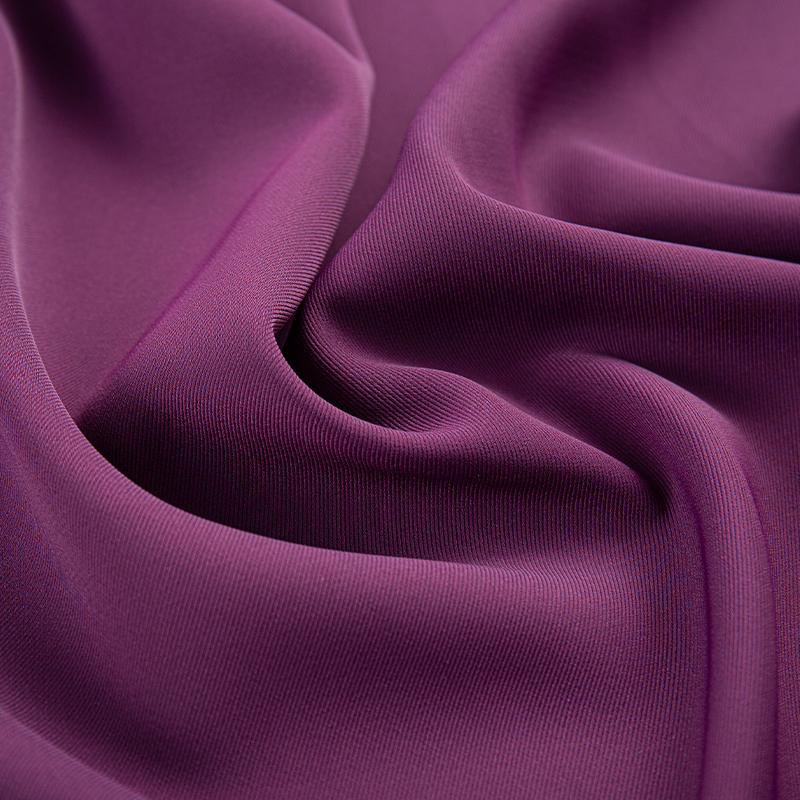
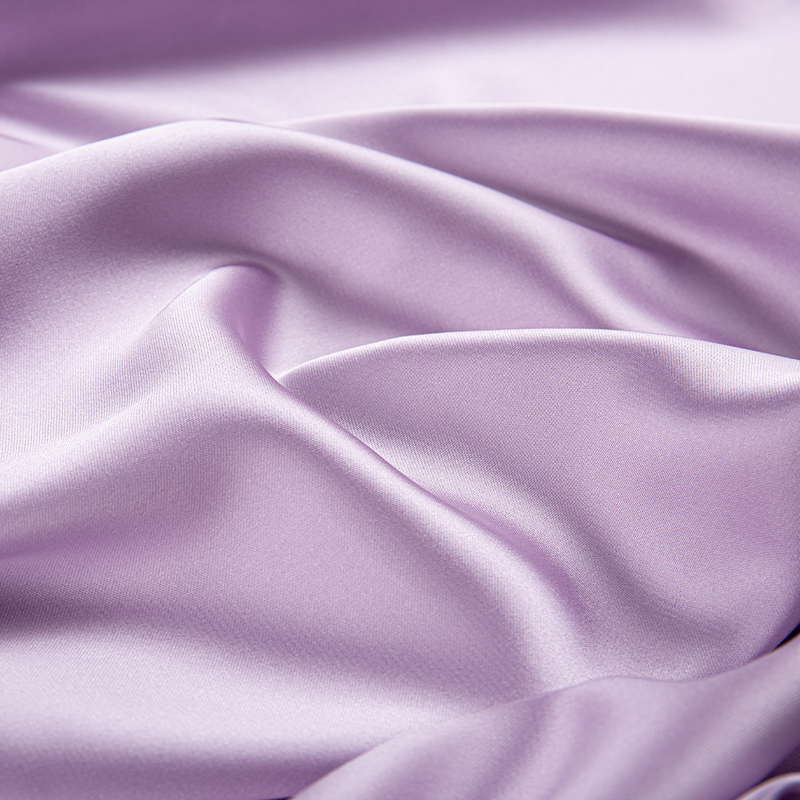
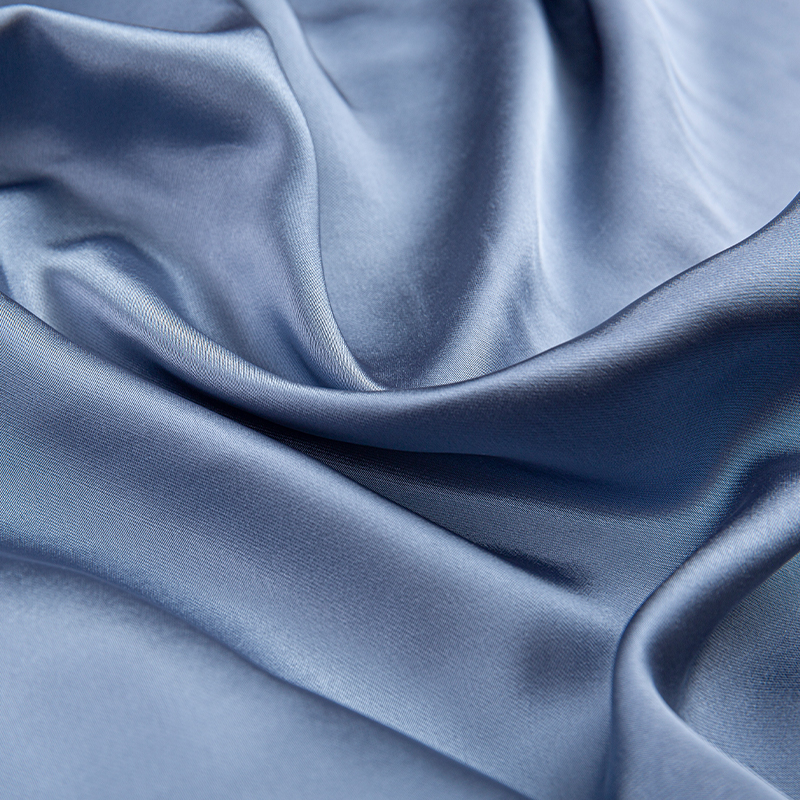
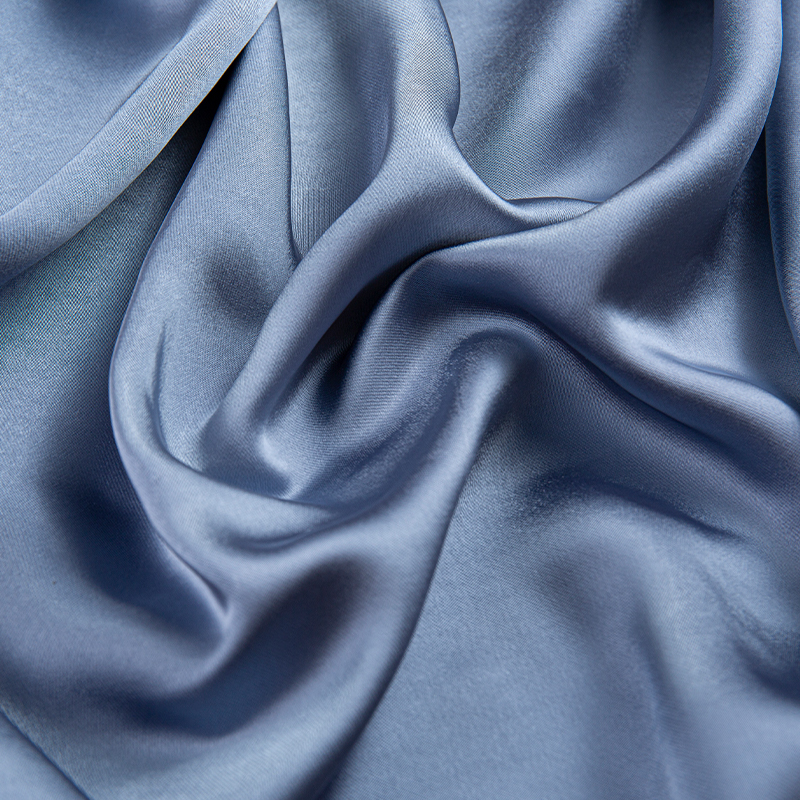
In the high-performance textile sector, the pursuit of permanent elasticity has led to a significant material shift. For decades, Spandex (elastane) blends were the industry standard for stretch, yet they suffered from "elasticity fatigue"—the irreversible loss of shape recovery after repeated mechanical stress or chemical exposure. SPH fabric, a high-elasticity composite fiber material, has emerged as a revolutionary solution. WuJiang City Hongyuan Textile Co., Ltd., located in the "Silk Capital" of Shengze, has been a cornerstone of this innovation for over 30 years. Operating 500 water jet looms across a 60,000-square-meter standardized plant, we utilize advanced warp drawing and double twisting equipment to produce premium breathable SPH fabric for summer clothing and high-performance sportswear that overcomes the structural limitations of traditional elastomers.
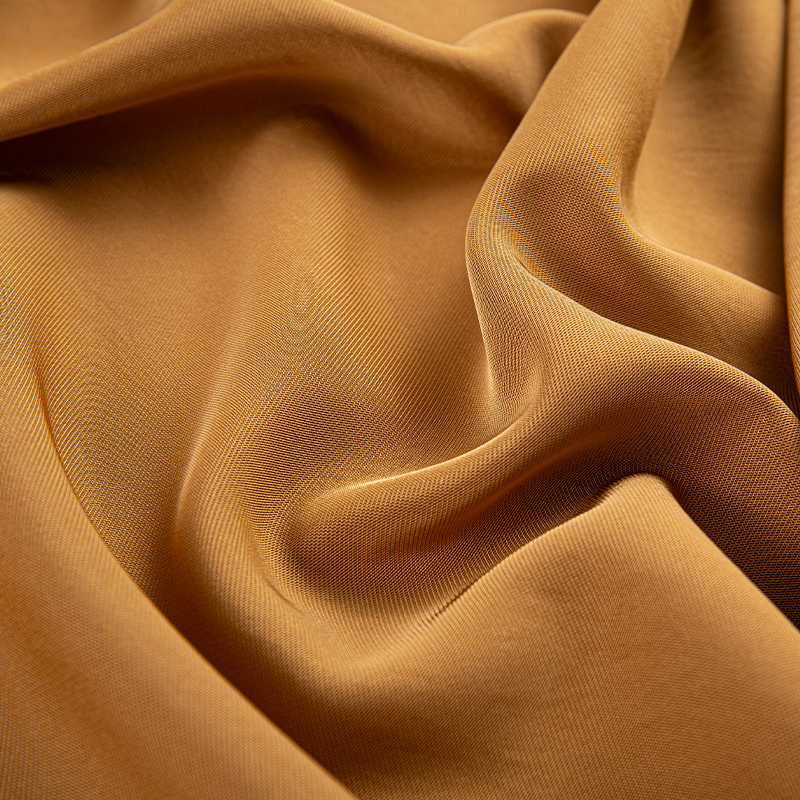
The core difference between traditional stretch fabrics and SPH fabric lies in the origin of their elasticity. Traditional blends rely on chemical polyurethane (Spandex) cores that degrade over time, whereas SPH fabric utilizes a bicomponent filament structure. This structural stretch is achieved by combining two different types of polyester with varying shrinkage rates, creating a permanent spiral "spring" effect within the yarn. According to the 2024 Global Textile Fiber Analysis by the International Textile Manufacturers Federation (ITMF), bicomponent polyester fibers have shown a 25% higher retention of tensile recovery compared to traditional elastane blends under high-temperature washing cycles. This makes durable SPH material for yoga wear and activewear significantly more resilient to the rigors of athletic use.
Source: ITMF - International Textile Manufacturers Federation: 2024 Global Fiber Report
While Spandex-based fabrics offer high initial stretch, they are prone to "bagging" at the knees and elbows; SPH fabric maintains its original dimensions due to its mechanical memory.
| Performance Metric | Traditional Spandex Blend | High-Performance SPH fabric |
| Elasticity Source | Chemical (Polyurethane core) | Physical (Bicomponent helical structure) |
| Elasticity Retention | Gradual decline (Fatigue) | Permanent (Mechanical memory) |
| Chlorine Resistance | Low (Fiber becomes brittle) | Excellent (Chemically inert polyester) |
| Drying Efficiency | Slow (Absorbs moisture in core) | Rapid (Facilitated by breathable SPH fabric for summer clothing tech) |
Traditional elastic fibers are notoriously sensitive to heat and chemicals, which accelerates the "elasticity fatigue" process during dyeing or domestic laundering. SPH fabric is composed of modified polyesters that exhibit high thermal stability. This allows for more aggressive finishing processes and vibrant color yields. Recent technical breakthroughs highlighted by the OEKO-TEX Standard 100 (2025 Edition) emphasize the movement toward mono-material recyclability, where 100% polyester SPH fabric provides a sustainable alternative to mixed-material blends that are difficult to recycle. For B2B buyers, a wholesale SPH fabric for professional uniforms ensures that garments maintain their crisp, professional appearance even after industrial laundering at high temperatures.
Source: OEKO-TEX - 2025 New Standards for Sustainable Textile Production
SPH fibers resist the yellowing and aging common in polyurethane fibers when exposed to UV light or swimming pool chlorine.
| Stability Factor | Spandex/Elastane | SPH fabric (Polyester Bicomponent) |
| UV Resistance | Poor (Fiber breaks down/yellows) | Superior (Inherent polyester UV stability) |
| Heat Resistance | Low (Damaged above 120°C) | High (Withstands up to 180°C) |
| Recyclability | Difficult (Multi-material blend) | Excellent (100% Polyester category) |
| Texture | Heavy/Rubbery feel | Soft/Dry hand-feel (SPH fabric soft touch for skin-friendly apparel) |
One of the primary complaints regarding traditional high-stretch garments is the "suffocating" feel caused by the dense polyurethane core. SPH fabric features a unique "dry" tactile sensation and superior drape. By utilizing SPH fabric soft touch for skin-friendly apparel, designers can create close-fitting garments that do not irritate the skin. Furthermore, the helical structure of the fiber creates micro-channels that enhance capillary action, facilitating moisture wicking. This technical advantage makes lightweight SPH fabric for outdoor gear ideal for high-intensity environments where moisture management is as critical as mobility.
While Spandex can reach higher maximum elongation, SPH fabric provides a more stable and comfortable "power stretch" (typically 15-30%) which is sufficient for most apparel and offers much better recovery, preventing the fabric from stretching out over time.
A breathable SPH fabric for summer clothing is preferred because it is composed of polyester filaments that do not hold onto heat or moisture as much as polyurethane-based elastane, allowing for better air permeability.
Yes. Because it is essentially 100% polyester (despite its bicomponent nature), it can be recycled alongside other polyester products, unlike Spandex blends which must be separated—a difficult and expensive process.
No. Because the stretch comes from the physical shape of the durable SPH material for yoga wear rather than a chemical core, it does not suffer from the "elasticity fatigue" caused by detergents, heat, or age.
Absolutely. The SPH fabric soft touch for skin-friendly apparel and its excellent drape make it a favorite for high-end blouses, dresses, and professional uniforms that require both comfort and a sophisticated silhouette.

Phone: +86 18806251599
TEL: +86 0512 63062555

Address: No. 1788, Yuanqu Road, Shengze Town, Wujiang District, Suzhou City, Jiangsu Province, China