 English
 中文简体
中文简体
Home / News / Industry News / What are the Key Differences Between SPH Fabric and SSY Fabric in Terms of Stretch Recovery and Hand-Feel?
Industry News
Content
In the high-performance textile sector, the demand for "comfort stretch" without the limitations of spandex has led to the rapid adoption of multicomponent bicomponent fibers. SPH Fabric and SSY fabric have become the industry benchmarks for creating garments that offer both structural integrity and elastic freedom. WuJiang City Hongyuan Textile Co., Ltd., deeply rooted in the "Silk Capital" of Shengze for over 30 years, operates a 60,000-square-meter facility with 500 water jet looms to master these complex weaves. As a leader in high stretch SPH polyester fabric production, we understand that the choice between SPH and SSY often dictates the final garment's market positioning, particularly in terms of durability and sensory experience.
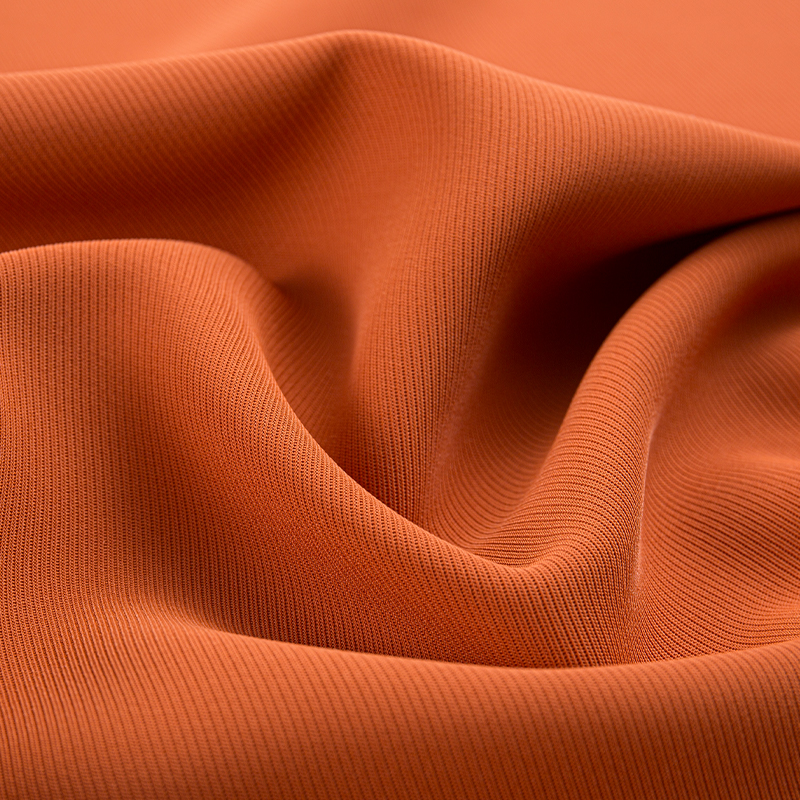
The fundamental difference between these two materials lies in their yarn geometry. SPH is a side-by-side bicomponent elastic fiber that utilizes the differential shrinkage of two different polyester components to create a permanent, spring-like helical crimp. SSY (Super Stretch Yarn) operates on a similar principle but generally offers a higher initial modulus. While both provide excellent stretch, SPH Fabric is engineered to offer a more "gentle" elasticity that is less prone to "stress relaxation" over long-term wear. According to the 2025 Textile Fiber Technology Report from the International Forum on Fiber Science, bicomponent fibers like SPH show a 25% better recovery rate after 50 wash cycles compared to traditional elastane-blended fabrics, as they do not suffer from the chemical degradation typical of polyurethane-based fibers.
Source: ISO 20932-1:2025 - Textiles — Determination of the elasticity of fabrics — Part 1: Strip tests
SSY fabric typically provides a snappier, more immediate tension, whereas SPH Fabric offers a smoother, progressive stretch that is better suited for breathable SPH fabric for summer wear due to its lighter tension profile.
| Technical Property | SSY Fabric | SPH Fabric |
| Stretch Percentage | 15% - 35% (High Initial Snap) | 20% - 40% (Soft, Fluid Stretch) |
| Elastic Recovery | Excellent; higher tension | Superior; lower hysteresis loss |
| Heat Resistance | High; maintains shape at 180°C | Extremely High; ideal for printing/dyeing |
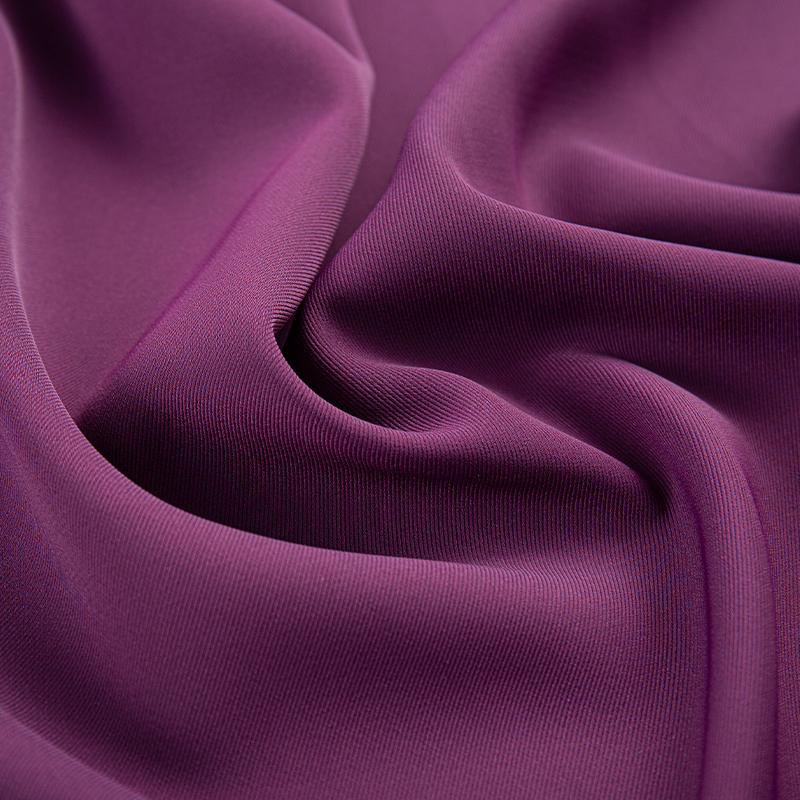
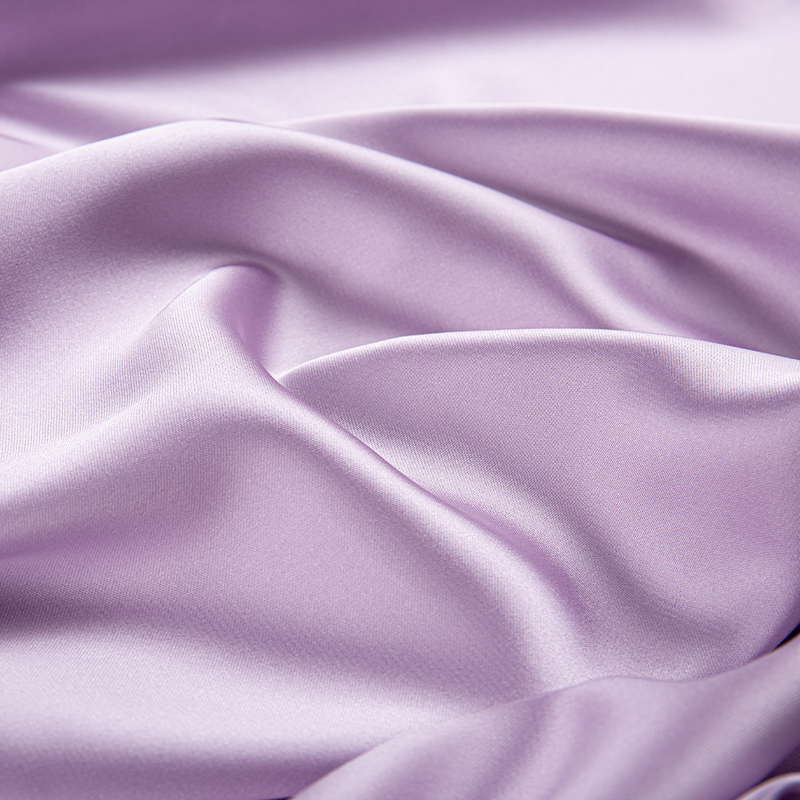
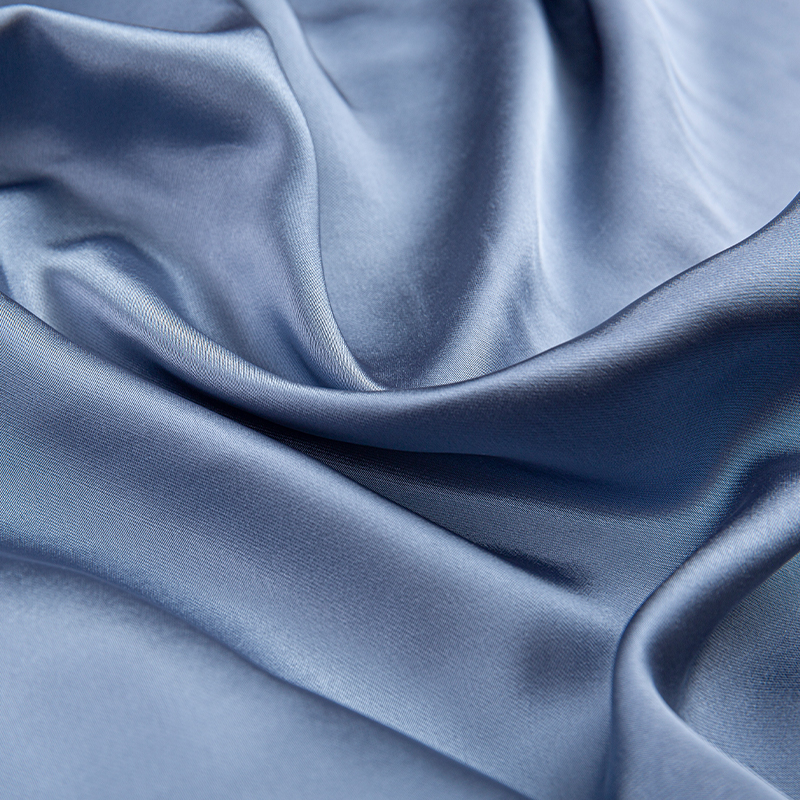
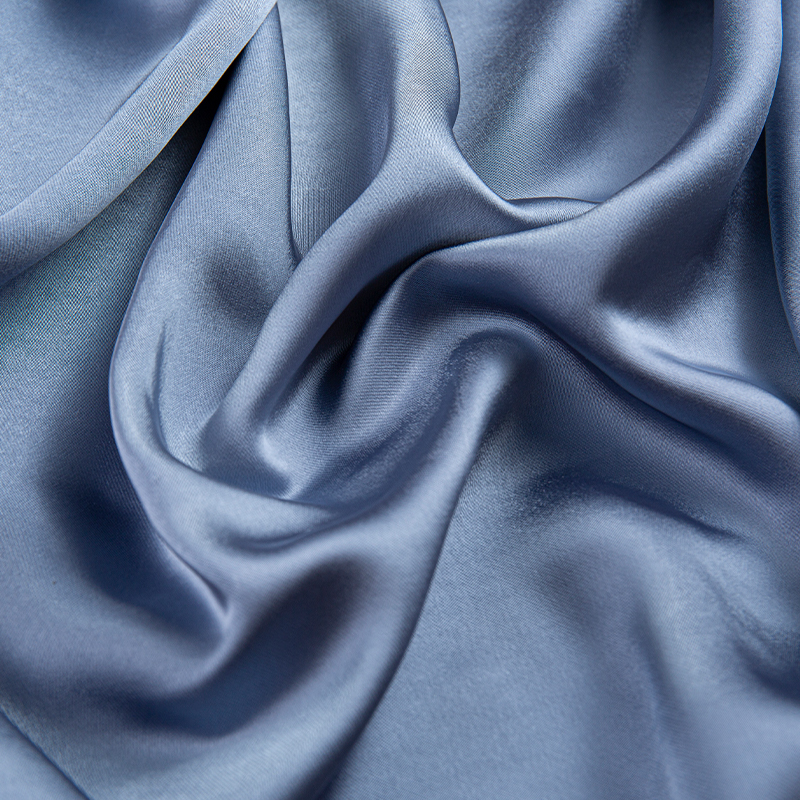
From an engineering perspective, "hand-feel" is a result of fiber fineness and the frequency of the helical crimp. Soft touch SPH textile material is characterized by a dry, linen-like handle that remains comfortable against the skin in high-humidity environments. SSY, by contrast, often feels slightly silkier but can be more "slippery" during the cutting and sewing process. For B2B buyers looking for wrinkle resistant SPH fabric for office wear, the SPH variant provides a superior aesthetic of "crispness" without the harshness of high-twist yarns. This makes it an ideal wholesale SPH fabric for women's dresses, as it drapes elegantly while maintaining the garment's crisp lines.
The helical structure of SPH Fabric naturally creates micro-voids within the yarn bundle. These voids facilitate capillary action, pulling moisture away from the skin. 2024 technical standards for moisture-wicking textiles indicate that SPH-based fabrics achieve a 15% higher air permeability rating compared to standard textured polyesters of the same weight. This technical advantage makes it the preferred choice for breathable SPH fabric for summer wear, especially in the premium casual and athleisure segments.
Source: AATCC TM195: Liquid Moisture Management Properties of Textile Fabrics 2024
SSY is often favored for tight-fitting activewear due to its silk-like smoothness, while SPH is preferred for lifestyle apparel because of its unique "dry touch" and superior drape-ability.
| Tactile Marker | SSY Performance | SPH Performance |
| Surface Texture | Smooth, silky, cool-to-touch | Textured, linen-like, dry-touch |
| Drape Coefficient | Moderate; holds shape firmly | High; flows with body movement |
| Pilling Resistance | Grade 4-5 | Grade 4-5 |
WuJiang City Hongyuan Textile Co., Ltd. utilizes a complete set of front-end supporting facilities, including 400 double twisting units and advanced warp drawing equipment, to ensure that our high stretch SPH polyester fabric maintains consistent tension across every batch. With annual sales exceeding 500 million yuan, we provide the scale and technical reliability required by global apparel brands. For wholesalers, the primary benefit of SPH Fabric is its processing stability; unlike spandex, SPH does not age or lose elasticity in storage, ensuring that the inventory remains viable for multiple seasons.
While both SPH and SSY offer revolutionary alternatives to spandex-based blends, SPH Fabric is the superior choice for applications requiring a balance of soft hand-feel, linen-like aesthetics, and long-term elastic recovery. Whether you are sourcing wholesale SPH fabric for women's dresses or developing wrinkle resistant SPH fabric for office wear, Hongyuan Textile provides the engineering expertise and production capacity to bring your designs to life with stable, high-performance quality.

Phone: +86 18806251599
TEL: +86 0512 63062555

Address: No. 1788, Yuanqu Road, Shengze Town, Wujiang District, Suzhou City, Jiangsu Province, China