 English
 中文简体
中文简体
Home / News / Industry News / How Advanced Finishing Processes Prevent Fibrillation in Premium Clothing Lyocell Fabric to Ensure a Smooth, Long-Lasting Texture
Industry News
Content
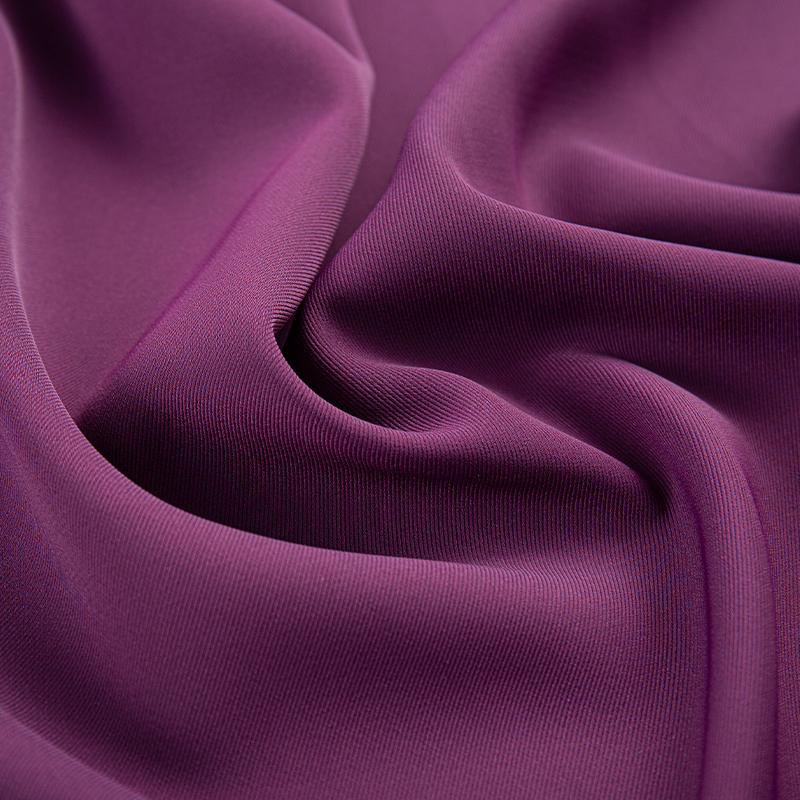
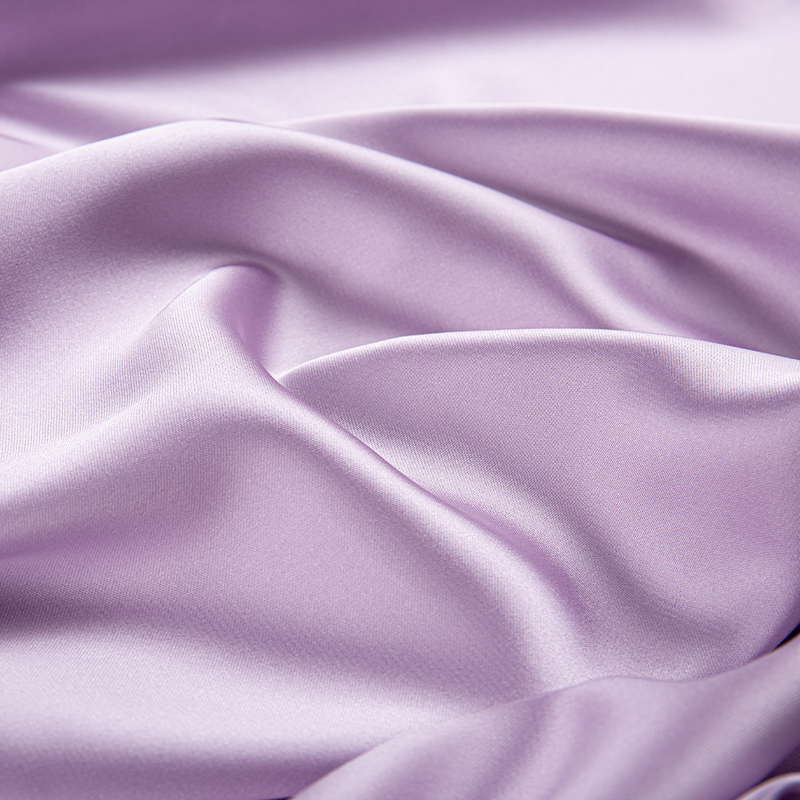
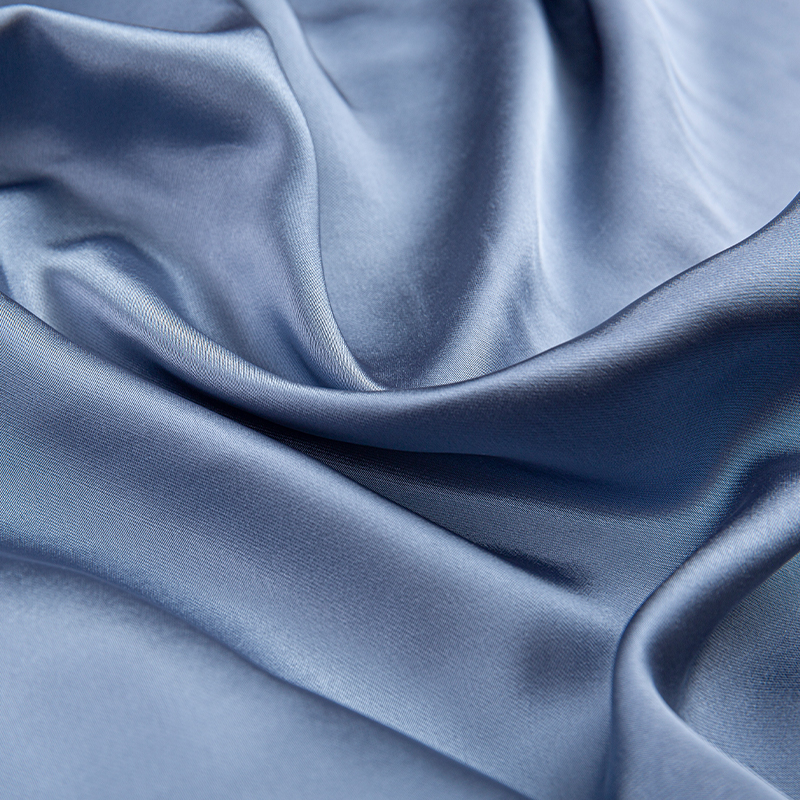
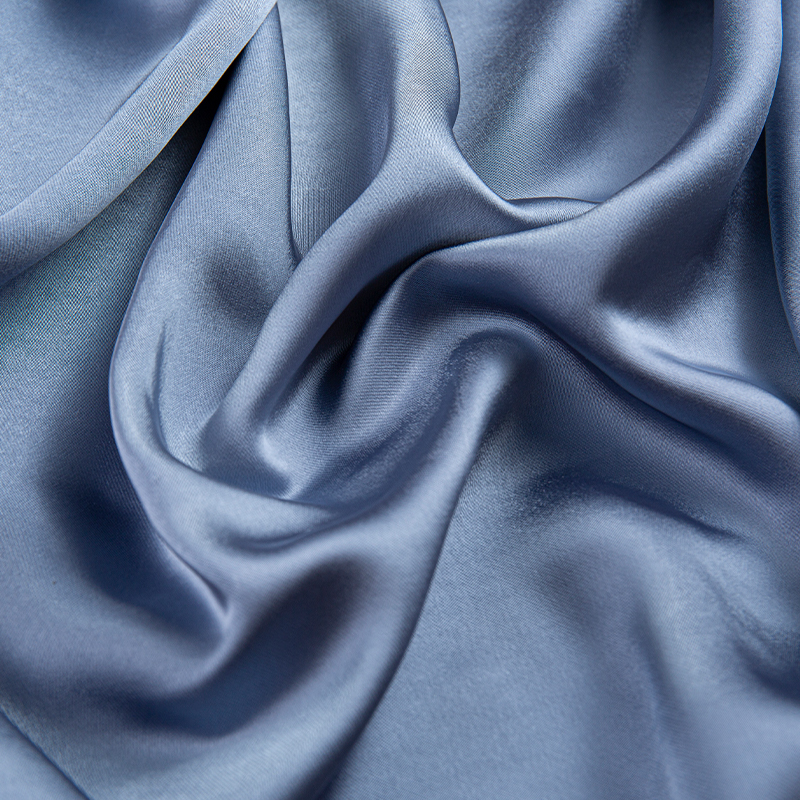
In the realm of sustainable luxury, clothing lyocell fabric has emerged as a premier choice due to its silk-like drape and botanical origin. However, the inherent molecular structure of lyocell leads to a technical challenge known as fibrillation—the peeling of micro-fibers from the fiber surface when wet. WuJiang City Hongyuan Textile Co., Ltd., located in the "Silk Capital" of Shengze and boasting over 30 years of industry expertise, utilizes a 60,000-square-meter standardized plant to address these engineering hurdles. By integrating 500 water jet looms and advanced warp drawing equipment, we ensure that every meter of eco friendly lyocell fabric for luxury fashion maintains a stable, non-pilling surface through sophisticated chemical and mechanical finishing.
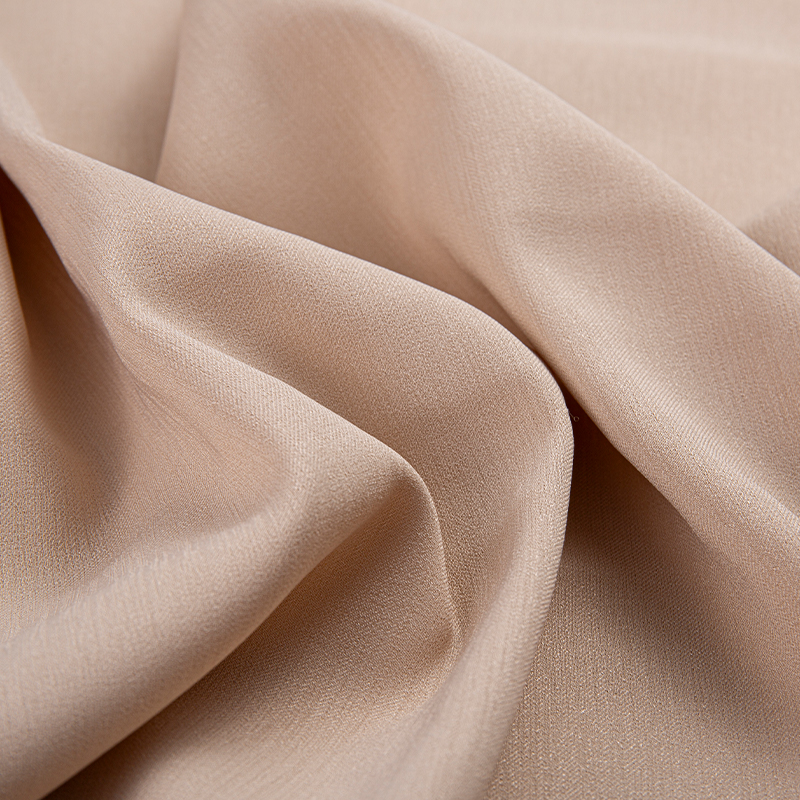
Fibrillation occurs because lyocell fibers are highly crystalline and oriented along the fiber axis, but lack strong lateral bonds between molecular chains. During wet processing or laundering, mechanical friction causes the outer layers of the fiber to split into sub-micron fibrils. While "peach skin" effects are sometimes desired, B2B purchasers of heavy weight lyocell twill fabric for jackets typically require a clean, high-luster finish. While untreated lyocell quickly develops a fuzzy, "frosted" appearance after several wash cycles, processed fabrics maintain their sleek aesthetic by neutralizing the fiber's tendency to peel.
| Feature | Untreated Lyocell Fiber | Stabilized Premium Lyocell |
| Surface Morphology | High fibril splintering when wet. | Cross-linked, smooth fiber surface. |
| Texture Retention | Develops "frosting" or pilling quickly. | Maintains original hand-feel and luster. |
| Application Suitability | Low-end casual wear. | High-end luxury and formal apparel. |
The primary method for preventing fibrillation in soft touch lyocell fabric for summer dresses is chemical cross-linking. During the dyeing and finishing stage, multi-functional reactive dyes or specialized cross-linking agents are applied. These molecules form covalent bonds between the cellulose chains, "locking" them together and significantly increasing lateral strength. Additionally, cellulase enzyme treatment, often referred to as "bio-polishing," is used to remove any micro-fibrils that formed during initial processing. Compared to simple softening agents, enzymatic treatments provide a permanent change to the fiber surface, ensuring that breathable lyocell fabric for activewear remains smooth even under high-sweat and high-friction conditions.
While mechanical softening adds temporary comfort, only chemical stabilization addresses the root cause of fiber splintering at the molecular level.
| Process Type | Mechanical Softening | Enzymatic/Chemical Cross-linking |
| Mechanism | Physical tumbling and surface coating. | Covalent bonding and micro-fiber removal. |
| Durability | Temporary (Washes out). | Permanent (Integrated into fiber). |
| Texture Result | Soft but prone to future pilling. | Smooth, clean, and pill-resistant. |
At WuJiang City Hongyuan Textile Co., Ltd., we leverage our 30-year heritage to master the delicate balance of lyocell finishing. With an annual sales volume exceeding 500 million yuan and a robust set of 400 double twisting units, we control the tension and thermal parameters required for wrinkle resistant lyocell fabric for professional wear. Our standardized production environment in Shengze allows us to execute precise bio-polishing cycles that neutralize fibrillation without compromising the tensile strength of the clothing lyocell fabric. This ensures that the final garment meets the rigorous quality standards of the global luxury market.
Selecting the right clothing lyocell fabric is more than a choice of material; it is a choice of processing technology. By utilizing enzymatic biopolishing and chemical cross-linking, Hongyuan Textile ensures that the fibrillation remains controlled, providing a product that bridges the gap between sustainability and uncompromising luxury. For B2B partners, this means fewer returns and a superior brand reputation based on the long-lasting texture of the fabric.
The unique "skin-core" structure of lyocell fibers creates a rapid initial dye uptake, which can lead to uneven color distribution if the temperature and electrolyte concentrations are not monitored. At Hongyuan Textile, we utilize advanced warp drawing equipment to ensure the heavy weight lyocell twill fabric for jackets is tensioned correctly, allowing for uniform dye liquor penetration across the entire 60,000-square-meter production output.
Unlike cotton, lyocell has a high amorphous region accessibility, causing reactive dyes to rush into the fiber. To prevent streaking in soft touch lyocell fabric for summer dresses, a "staged salt addition" method must be employed. By slowly increasing the electrolyte concentration, we control the substantive affinity, ensuring the dye migrates deeply into the fiber core before fixation.
| Process Variable | Standard Cotton Dyeing | Premium Lyocell Dyeing |
| Initial Dye Uptake | Slow to Moderate | Rapid (High Risk of Streaking) |
| Salt Addition Method | Single or Double Stage | Multi-stage Linear Dosing |
| Temperature Ramp | Standard (1-2°C/min) | Precise Control (0.5-1°C/min) |
Fixation is the stage where the dye forms a covalent bond with the clothing lyocell fabric. Because lyocell is sensitive to high alkalinity, which can exacerbate fibrillation, the pH must be tightly regulated. For breathable lyocell fabric for activewear, we recommend using a soda ash/caustic soda blend to reach a pH of 10.8–11.2, ensuring high color yield without damaging the fiber surface.
The combination of our 500 water jet looms and specialized front-end facilities allows us to minimize mechanical friction during the dyeing cycle, which is the primary cause of "white streaks" (local fibrillation).
| Defect Type | Root Cause | Technical Solution |
| Color Streaks | Uneven dye migration or salt spots. | Linear dosing of salt and lubricants. |
| Frosting Effect | Surface fibrillation after dyeing. | Post-dyeing bio-polishing (cellulase). |
| Crease Marks | Excessive rope tension in jet dyeing. | Anti-crease lubricants and optimized fabric speed. |
WuJiang City Hongyuan Textile Co., Ltd. remains a leader in the industry by merging traditional Shengze craftsmanship with modern chemical engineering. By following these parameters, our B2B partners can ensure that their clothing lyocell fabric maintains the vibrant, uniform color and silky luster required for global fashion houses. Our annual sales of over 500 million yuan are a testament to our ability to deliver high-precision, stable quality at scale.

Phone: +86 18806251599
TEL: +86 0512 63062555

Address: No. 1788, Yuanqu Road, Shengze Town, Wujiang District, Suzhou City, Jiangsu Province, China