 English
 中文简体
中文简体
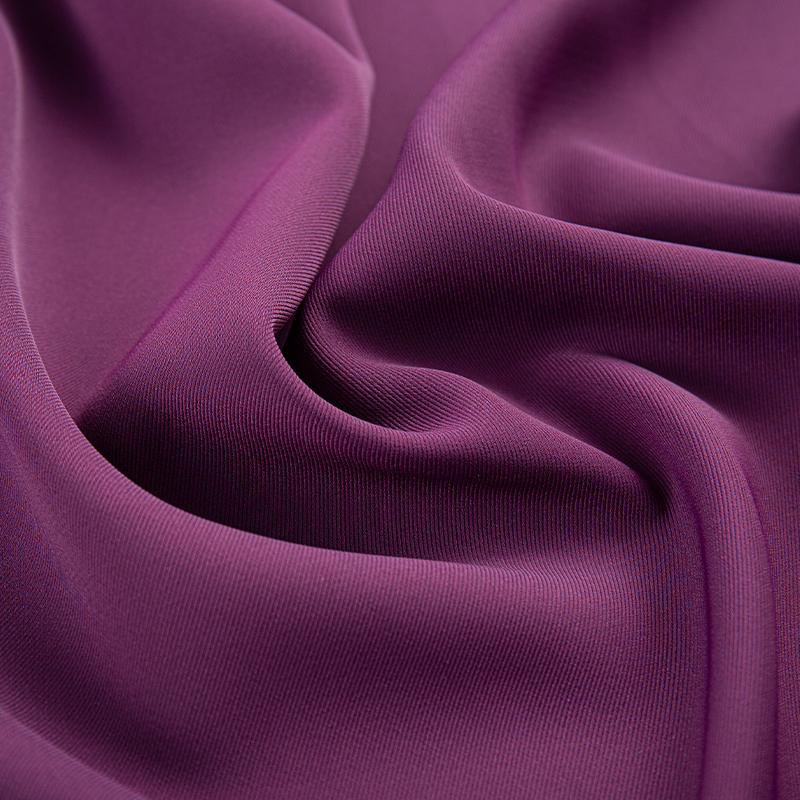
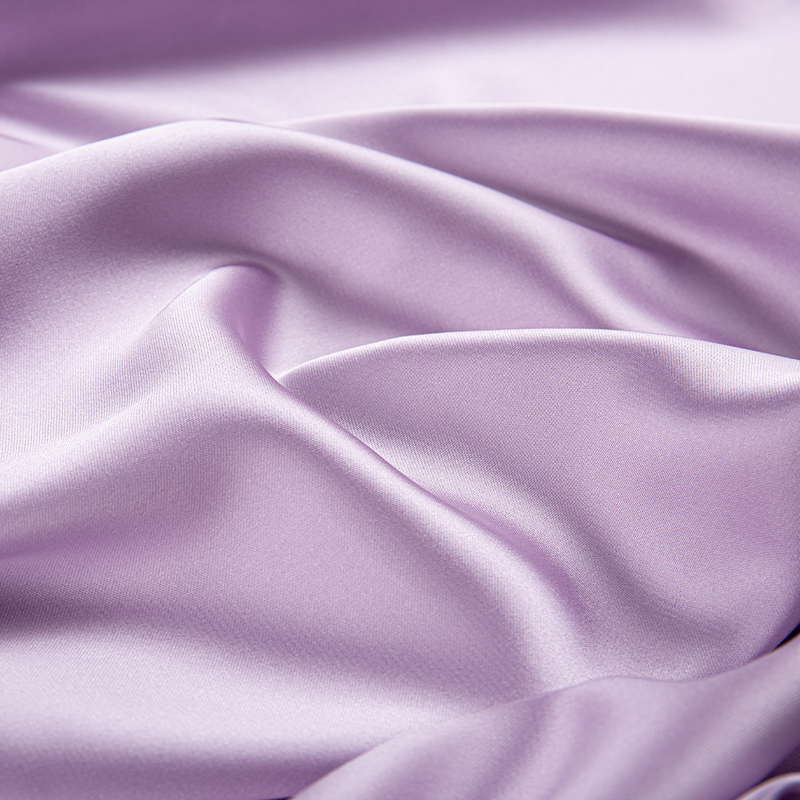
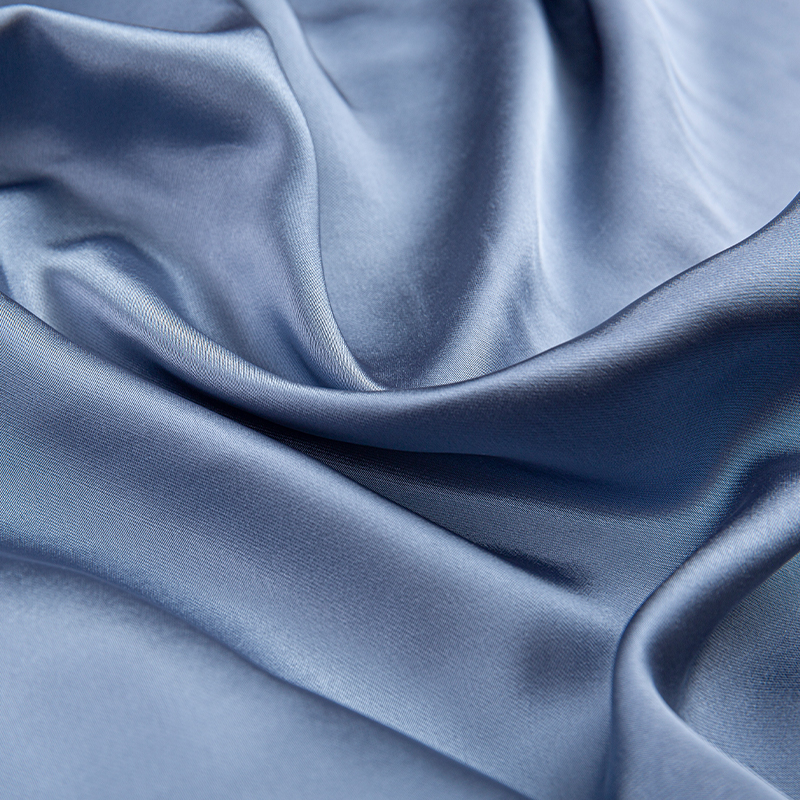
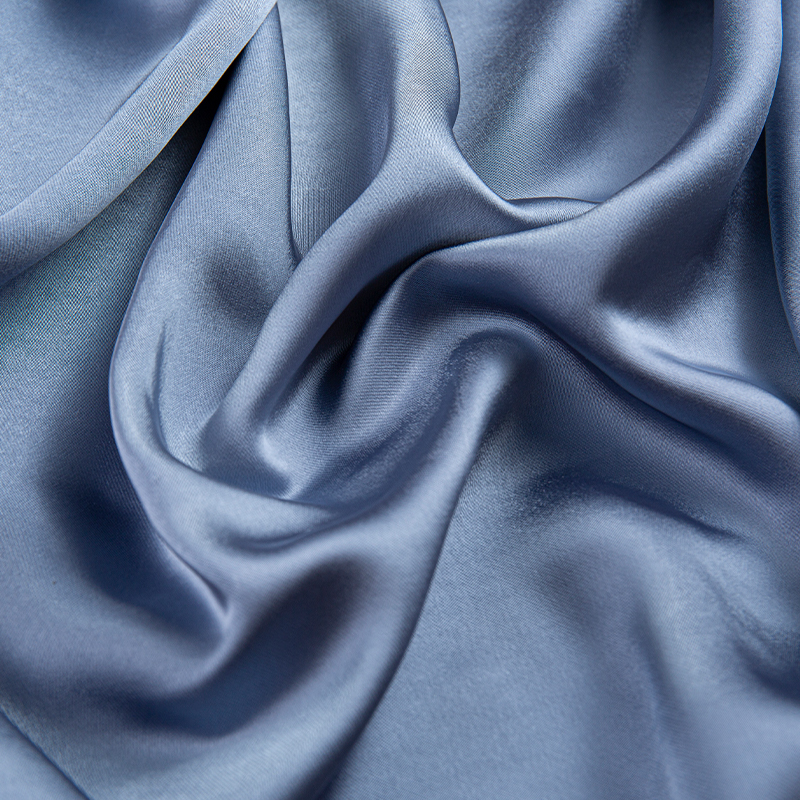
Satin silk cloth fabric refers to fabric made from silk fibers woven in a satin weave — producing the signature glossy face and matte back. Satin is a weave structure; silk is a fiber. Together they create one of the most luxurious textiles in the world, used for eveningwear, bridal gowns, linings, and high-end home decor.
What Is the Difference Between Satin and Silk Fabric?
This is the single most searched question about these fabrics — and the confusion is understandable, because the two terms overlap in the market. Here is the precise distinction:
A natural fiber produced by silkworms (Bombyx mori). It refers to the raw material. Silk can be woven in many structures: plain weave (habotai), twill weave (charmeuse), or satin weave.
A weave structure — not a fiber. In satin weave, warp threads float over 4 or more weft threads before interlacing, creating long surface floats that reflect light uniformly. Satin can be woven from silk, polyester, nylon, rayon, or acetate.
When a fabric is labeled "satin silk," it means satin-weave fabric made from silk fibers — combining the luster of the weave with the natural temperature regulation and hypoallergenic properties of silk.
| Property | Silk Satin (100% Silk) | Polyester Satin | Charmeuse Silk |
|---|---|---|---|
| Fiber Source | Natural (silkworm) | Synthetic (petroleum) | Natural (silkworm) |
| Sheen | Deep, warm luminosity | High but plastic-like | Soft, diffused glow |
| Weight Range | 12–30 mm (momme) | 60–120 GSM | 12–19 mm |
| Breathability | Excellent | Poor | Very good |
| Price per yard (approx.) | $18 – $55+ | $4 – $12 | $20 – $65+ |
| Best Use | Bridal, couture, lingerie | Lining, costumes, decor | Blouses, sleepwear |
Designed Satin Fabric: Patterns That Elevate Any Project
Designed satin fabric combines the reflective surface of satin weave with printed or woven-in patterns. The high sheen amplifies color depth and makes patterns appear richer than on matte fabrics. There are three main categories of designed satin:
Printed Satin
Digital or screen printing applied post-weave. Popular for floral designs, abstract art, and photographic prints. Polyester-based printed satins hold color vibrancy well and are widely used in fast-fashion eveningwear.
Jacquard Satin
Pattern woven directly into the fabric using a Jacquard loom. Creates a raised, tactile design with an interplay of matte and glossy areas — the classic brocade effect. Commonly seen in traditional Asian ceremonial garments and luxury upholstery.
Burnout Satin (Devore)
A chemical process removes fibers in a pattern, leaving translucent areas against an opaque satin ground. Creates dramatic, velvet-like designs on a sheer base. Popular for opera gowns and high-end scarves.
For designed satin, momme weight between 16–19 mm balances print clarity with drape. Below 12 mm, the fabric may pucker under printing; above 30 mm, it becomes stiff and loses fluidity.
Satin Fabric for Dressmaking: What You Need to Know
Satin is a high-reward, high-challenge fabric for dressmaking. Its surface shows every pin mark, uneven stitch, and snag — but the results, when executed well, are unmatched in formal garments. Here is a practical guide:
- Always cut with a single layer face-down on a cutting mat to prevent slippage.
- Use sharp rotary cutters instead of scissors — they reduce the chance of snags and pulling.
- Mark fabric with tailor's chalk or washable markers; pins leave permanent holes in high-momme silk satin.
- Cut in the direction of the grain carefully — satin bias-cuts can stretch up to 15% more than straight grain.
- Use a fine needle — size 70/10 or 80/12 microtex for silk satin; 70/10 ballpoint for polyester satin.
- Stitch length: 2.0–2.5 mm. Longer stitches can cause puckering on lightweight satin (under 16 mm).
- Use a walking foot or Teflon foot to prevent the fabric from shifting.
- Reduce presser foot pressure by 30–40% when working with slippery satin types.
| Garment Type | Recommended Satin Weight | Recommended Fiber |
|---|---|---|
| Wedding gown (structured bodice) | 19–30 mm / 120–160 GSM | Duchess satin or silk satin |
| Evening gown (draped) | 14–19 mm / 90–110 GSM | Silk charmeuse satin |
| Prom dress / formal wear | 80–120 GSM | Polyester satin |
| Blouse / shirt | 12–16 mm | Silk or silk-blend satin |
| Lining (skirts, jackets) | 60–90 GSM | Polyester or acetate satin |
Duchess satin — a heavier, stiffer satin woven with a dull back — is the most popular choice for structured wedding gowns precisely because its 120–160 GSM weight holds boning and underlining without distortion.
Geometric Satin Fabric: Trend, Use, and Visual Impact
Geometric satin fabric features repeating angular, mathematical, or abstract patterns — from simple houndstooth and chevron to complex tessellations and Art Deco motifs. On a satin ground, geometric patterns gain a dimensional quality: the sheen creates a light-and-shadow effect that makes flat geometry appear three-dimensional.
Best for: skirts, blazer linings, scarves. The diagonal lines elongate the silhouette.
Best for: evening gowns, corsets, home cushions. Classic Art Deco appeal.
Best for: trousers, palazzo pants, wide-leg culottes. Clean, modern aesthetic.
Best for: statement blouses, kimono jackets, curtain panels. Maximalist edge.
Jacquard-woven geometric satin holds its pattern permanently and does not fade or crack unlike printed versions. For garments with seam stress points (shoulder, hip), woven geometric satin is the more durable choice — the pattern is structural, not surface-applied.
How to Choose the Right Satin Silk Fabric for Your Project
Before purchasing satin silk cloth fabric, evaluate these four variables to ensure the right match for your intended use:
Momme is the traditional unit for silk. 12–16 mm = lightweight, fluid, great for blouses and lingerie. 19–25 mm = mid-weight, ideal for structured dresses. 28–30+ mm = heavyweight, suited for upholstery, drapery, and heavily structured gowns.
Perform the burn test: genuine silk satin burns slowly, smells like burning hair, and leaves a crushable ash. Polyester satin melts, beads, and smells like burning plastic. This test is the most reliable way to verify content claims on unlabeled rolls.
Satin has a directional sheen — the face looks different when viewed from opposite ends. Always cut all pattern pieces in the same direction (indicated by the grain arrow) to prevent panels looking like different shades when sewn together.
Silk satin can shrink 3–5% when washed for the first time. Pre-wash before cutting to prevent finished garments from distorting. Hand wash in cool water with silk-safe detergent, or dry-clean for 30+ mm weights.
From understanding the structural difference between satin weave and silk fiber, to selecting the right momme for dressmaking or choosing a geometric jacquard for a statement garment — working with satin silk cloth fabric rewards careful material knowledge. Whether you choose a printed designed satin, a burnout devore, or a classic geometric jacquard, the principles of weight, fiber, and weave direction determine every outcome. Begin with the right specification, and the fabric does the rest.