 English
 中文简体
中文简体
Industry News
Content
Material Analysis
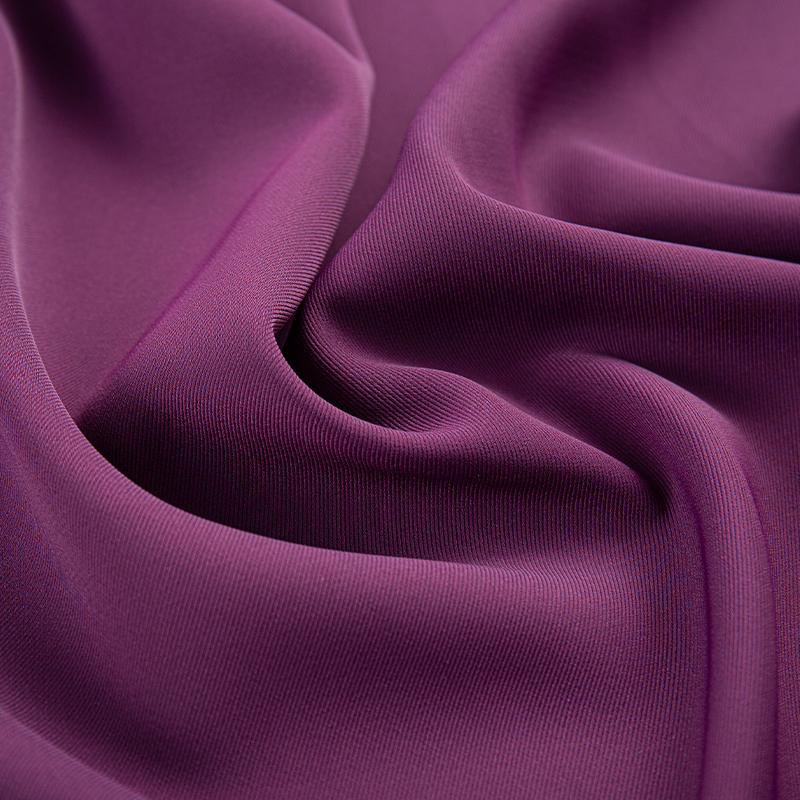
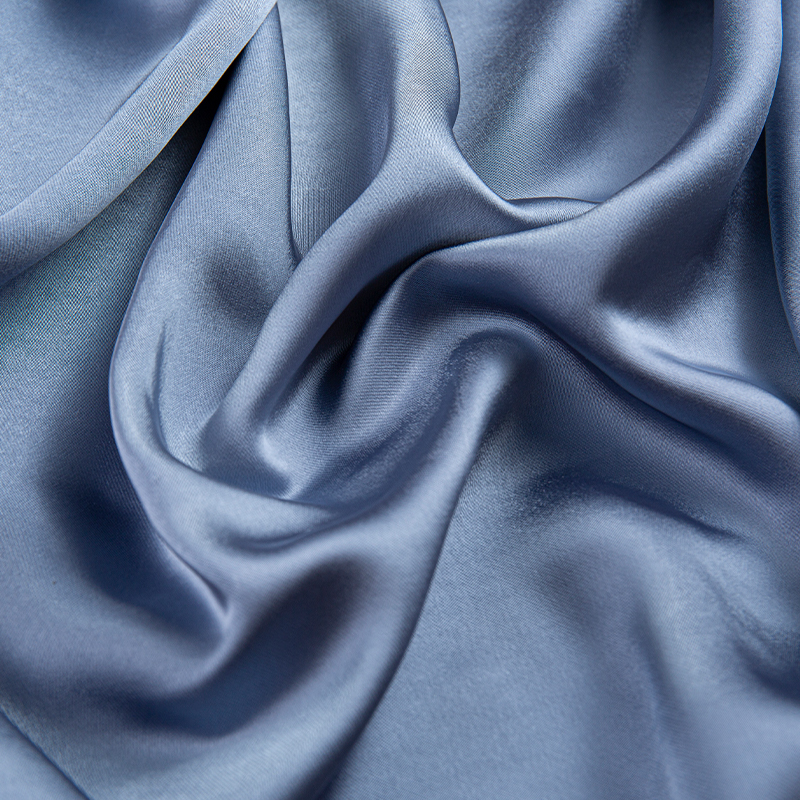
Pure heavy silk satin fabric—traditionally called silk duchesse satin—is the pinnacle of high-end bridal, evening wear, and luxury interior upholstery. To understand this material, it is critical to clarify that silk is a natural raw fiber harvested from silkworm cocoons, whereas satin is not a fiber at all, but rather a specific style of textile weave characterized by long floating top threads that create a highly reflective, glossy surface. While standard silk weaves like habotai or chiffon are incredibly light and airy, silk fabric heavy configurations are intentionally woven using densely packed silk threads to achieve substantial structure, drape, and physical weight. These premium varieties typically measure between 22 to 40 momme, providing an exquisite combination of fluid movement, substantial thickness, and a rich matte-gloss luster that synthetic polyester alternatives cannot replicate.
What Is Silk Satin? The Union of Fiber and Weave
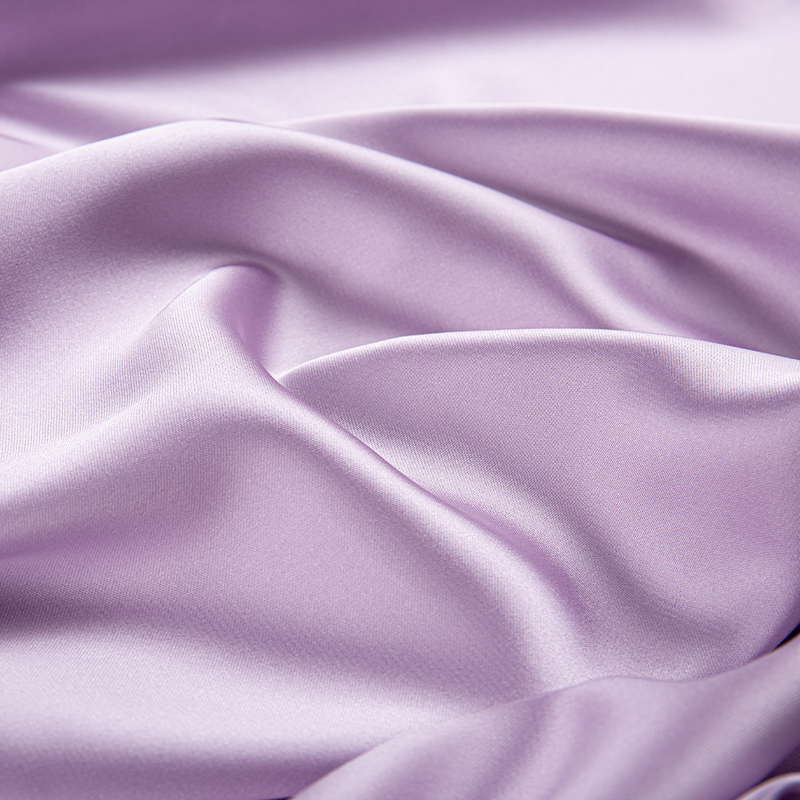
In the textile industry, the term silk satin describes a luxury textile made from authentic mulberry silk fibers woven via a satin structure. The satin weaving technique uses an asymmetrical pattern where four or more warp threads float over a single weft thread. This architectural choice minimizes thread intersections on the face of the cloth, creating a smooth surface that catches light evenly.
The reverse side of the cloth displays a completely contrasting appearance, featuring a dull, non-reflective matte texture. When woven with genuine silk, this construction glides effortlessly over skin, reduces friction on hair and body tissues, and regulates temperature naturally, making it vastly superior to synthetic replicas.
Is Silk Heavy Fabric? Understanding Momme and Textile Weights
A raw silk fiber is naturally microscopic and incredibly light. Therefore, whether silk fabric is light or heavy depends entirely on the quantity of yarn used during the weaving process. In professional circles, silk weight is quantified using a Japanese unit of measurement known as Momme (pronounced 'mummy' and abbreviated as mm).
One momme equals the weight in pounds of a fabric piece measuring 100 yards long by 45 inches wide. For perspective, a lightweight silk scarf utilizes roughly 8mm fabric, whereas thick heavy satin fabric requires a rating of 22mm or greater.
| Fabric Description | Momme Rating (mm) | Grams Per Square Meter | Primary Luxury Application |
|---|---|---|---|
| Silk Chiffon / Georgette | 6mm to 12mm | 26g to 52g | Sheer overlays, lightweight summer veils, resort wear ribbons. |
| Standard Silk Crepe de Chine | 14mm to 16mm | 60g to 69g | High-end blouses, breathable summer dresses, premium linings. |
| Luxury Silk Satin Charmeuse | 19mm to 22mm | 82g to 95g | Premium pillowcases, luxury nightwear, flowing slip gowns. |
| Heavy Silk Duchesse Satin | 28mm to 40mm | 120g to 173g | Structured bridal gowns, sculptural haute couture, formal bodices. |
Table 1: Technical weight classification and real-world density spectrum for genuine silk fabrics.
Is Silk Heavier Than Satin? Comparing Fibers and Synthetics
Comparing silk directly to satin is a common point of confusion because it compares a raw ingredient to a manufacturing technique. To make an accurate comparison, you must compare a pure silk satin to a synthetic polyester satin.
When evaluated at identical thread counts, synthetic polyester satin is often physically heavier than genuine silk satin. However, synthetic alternatives lack the natural properties of pure silk. Polyester satin traps body heat, resists moisture absorption, and exhibits a stiff, plastic-like shine. Conversely, authentic heavy silk satin provides deep substance and structural body while remaining highly breathable and soft against the skin.
The Heavy Silk Velvet Alternative
When a design requires a heavier luxury fabric than duchesse satin, designers frequently opt for heavy silk velvet. Unlike smooth satin, premium silk velvet features a dense, upright pile of cut fibers woven onto a pure silk backing. This specialized construction creates a deep, light-absorbing three-dimensional texture that is significantly heavier than satin, making it an excellent choice for winter evening wear and dramatic drapery treatments.
How to Verify Genuine Heavy Silk Satin From Polyester Synthetics
Because high-weight silk commands a financial premium, market spaces often contain cheap polyester imitations labeled misleadingly as satin. You can protect your investment by using three industry-standard testing techniques to confirm authenticity.
The Thermal Friction Test
Rub the surface of the fabric vigorously between your fingertips for ten seconds. Authentic silk generates noticeable warmth quickly due to the natural protein structure of its fibers. Synthetic polyester satin remains cool to the touch and accumulates static electricity instead of heat energy.
The Microscopic Luster Check
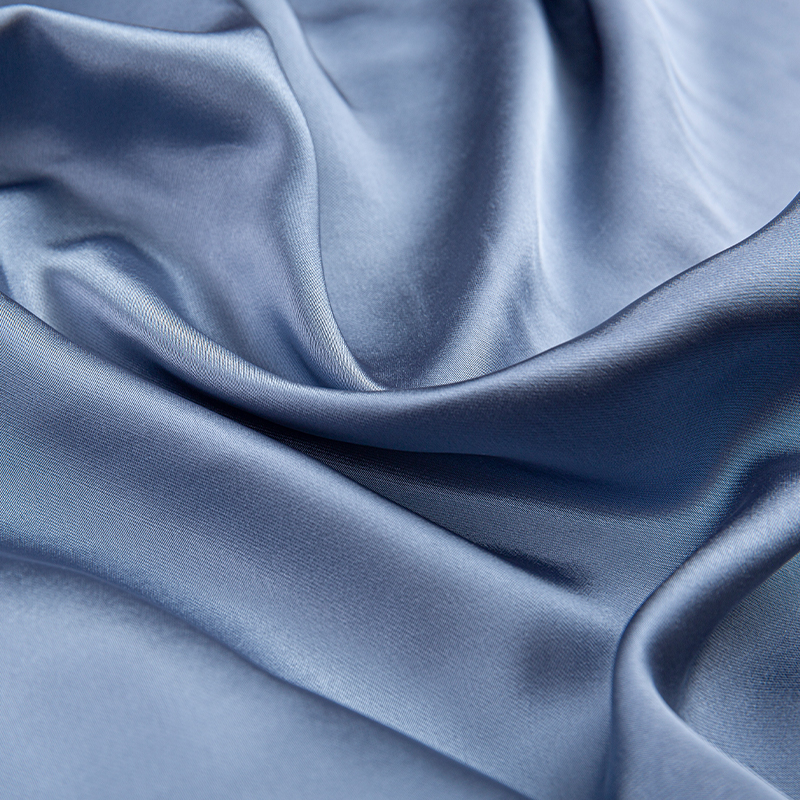
Examine the glossy surface under direct natural sunlight while shifting the fabric angle. True silk fibers have a triangular, prism-like shape that refracts light into a multi-colored shimmer. Synthetic polyester weaves reflect light uniformly, producing a sharp, metallic shine.
The Technical Fiber Burn Test
Take a tiny thread from the fabric edge and expose it to an open flame. Pure silk burns slowly, smells like burning hair, and leaves a crisp, dark ash that easily crushes into powder. Polyester melts rapidly, smells of chemicals, and hardens into an irregular, solid plastic bead.