 English
 中文简体
中文简体
Home / News / Industry News / What Makes Lyocell Fabric a Preferred Choice for Comfortable and Sustainable Clothing?
Industry News
Content
Lyocell fabric is a cellulose fiber textile prized for a soft, almost silky hand-feel, strong moisture management, and a production process that recycles nearly all of its solvent, which is why brands chasing both comfort and sustainability keep turning to Lyocell fabric as an alternative to conventional cotton and synthetic blends.
Lyocell is a regenerated cellulose fiber made from wood pulp through a closed-loop solvent spinning process, giving it the softness of natural fiber with far less water and chemical waste than traditional viscose.
Lyocell textile starts as dissolving wood pulp, most commonly from eucalyptus or beech trees, which is dissolved in a non-toxic amine oxide solvent rather than the harsher chemicals used for viscose or rayon.
The resulting cellulose solution is extruded through fine spinnerets to form continuous filaments, producing a regenerated fiber material with a smoother, more uniform structure than conventional cotton fiber.
Once spun, the fibers pass through a wash bath that recovers over 99 percent of the solvent for reuse, then are dried, crimped, and cut for spinning into yarn used across the clothing fabric supply chain.
Unlike viscose, which uses carbon disulfide in an open-loop process, Lyocell's closed-loop solvent recovery is what sets it apart among regenerated fiber materials on both performance and environmental grounds.
A smooth fiber surface with no sharp micro-edges makes Lyocell fabric properties ideal for skin friendly comfort against sensitive skin.
Lyocell fiber characteristics include absorbing moisture faster than cotton, keeping fabric surfaces feeling dry and breathable.
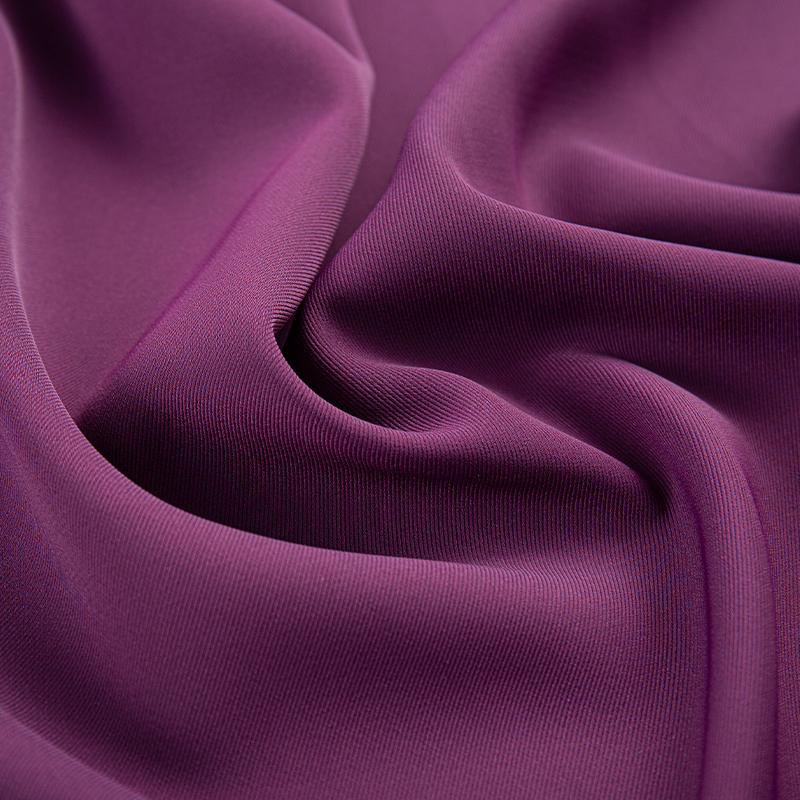
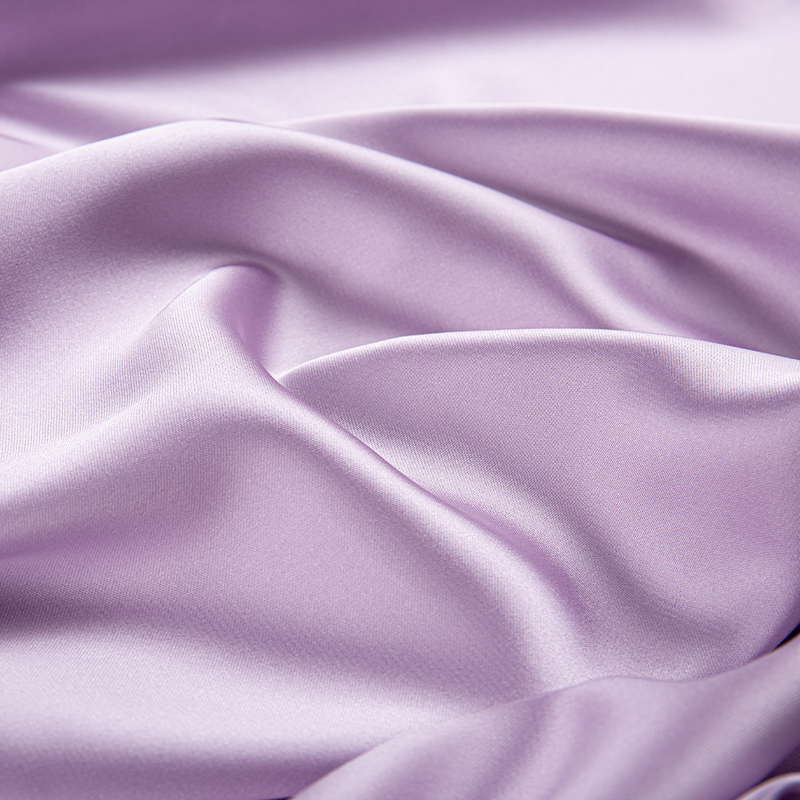
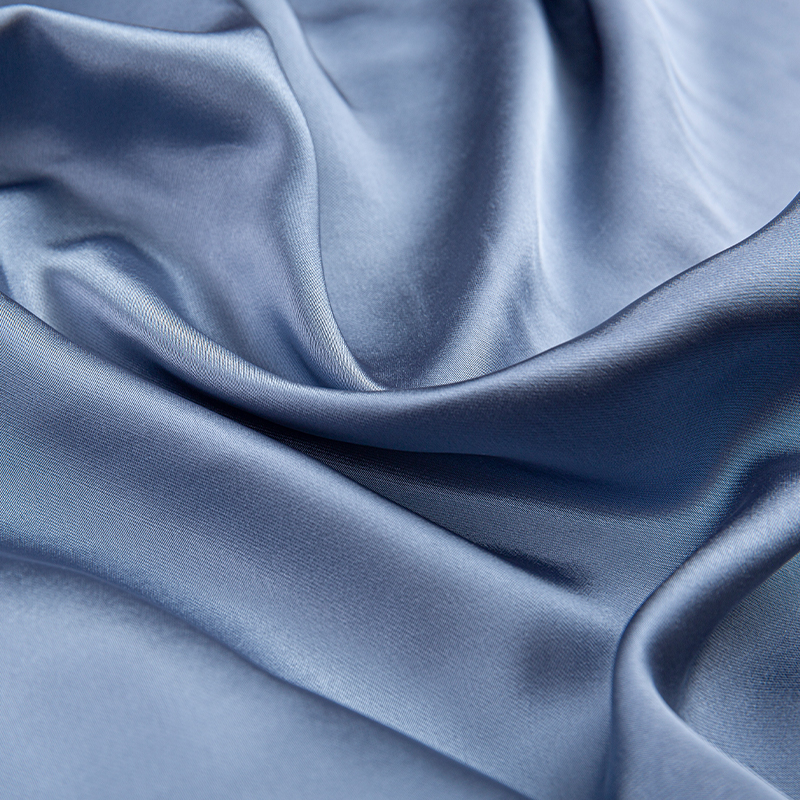
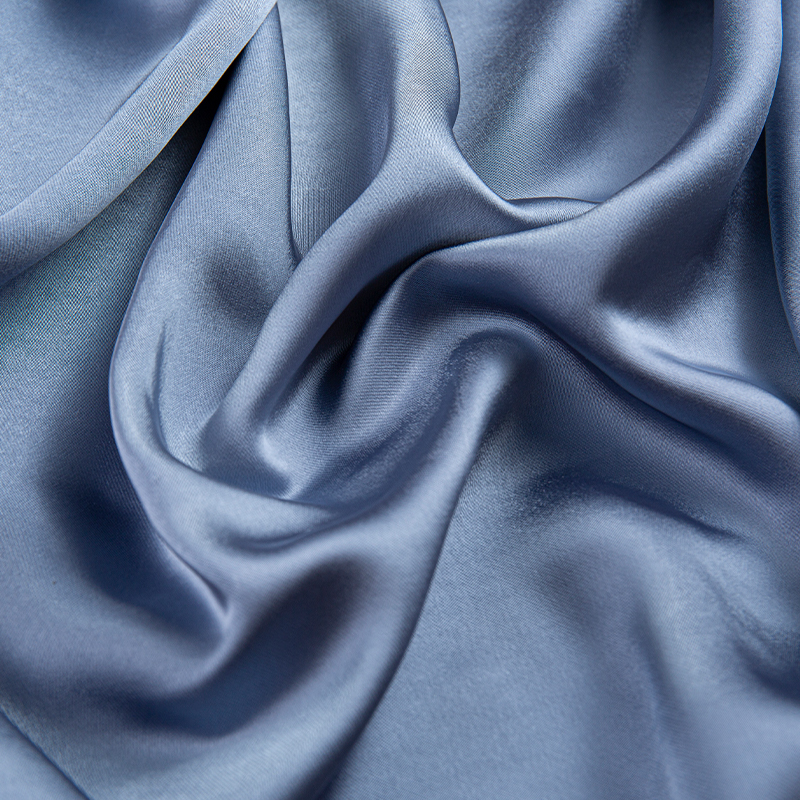
A fine, uniform filament structure gives finished garments a smooth texture and fluid, natural drape.
High wet and dry tensile strength helps garments resist stretching out of shape wash after wash.
Lyocell shirts and Lyocell dresses use the fiber's drape and softness to create comfortable clothing fabrics for daily wear.
Lyocell activewear fabric performs as a moisture wicking textile, often blended for breathable sports fabrics that manage sweat effectively.
As one of the softer textile materials available, Lyocell suits skin friendly fabrics for underwear and base layers.
Lyocell blend fabric combinations with cotton, spandex, or polyester create functional fabric blends tuned for stretch or durability.
Renewable cellulose based raw materials, an efficient production process, and reduced environmental impact compared with traditional fibers all combine to support sustainable fashion development at scale, which is a major reason sustainable Lyocell fabric keeps gaining share in eco friendly clothing materials sourcing.
| Factor | What to Evaluate |
| Fabric weight and thickness | Match GSM to garment type, from lightweight blouses to heavier outerwear |
| Fiber blending | Add spandex or cotton for stretch or structure based on performance needs |
| Color fastness and finishing | Confirm dye uptake and finishing methods suit the intended wash care level |
| Durability and care | Review pilling resistance and recommended laundering instructions |
Lyocell typically absorbs moisture faster and drapes more smoothly than cotton, while using notably less water in fiber production.
Unlike petroleum-based polyester, Lyocell is biodegradable and offers superior breathability against the skin.
Across performance and sustainability differences, Lyocell fabric lands between natural and synthetic fibers, delivering close to cotton-level comfort with a meaningfully lighter environmental footprint.
Increasing demand for sustainable clothing materials is pushing continued growth in regenerated fiber applications, while ongoing fiber engineering is expanding what counts as high performance sustainable fabrics for both fashion and technical apparel segments.
Takeaway: Lyocell fabric earns its place in modern wardrobes by pairing skin-soft comfort and durable performance with a low-impact, closed-loop manufacturing process, making it a practical choice for brands and consumers prioritizing sustainable apparel materials.

Phone: +86 18806251599
TEL: +86 0512 63062555

Address: No. 1788, Yuanqu Road, Shengze Town, Wujiang District, Suzhou City, Jiangsu Province, China