 English
 中文简体
中文简体
Home / News / Industry News / Why Lyocell Fabric Is Becoming More Popular in Sustainable Textile Manufacturing
Industry News
Content
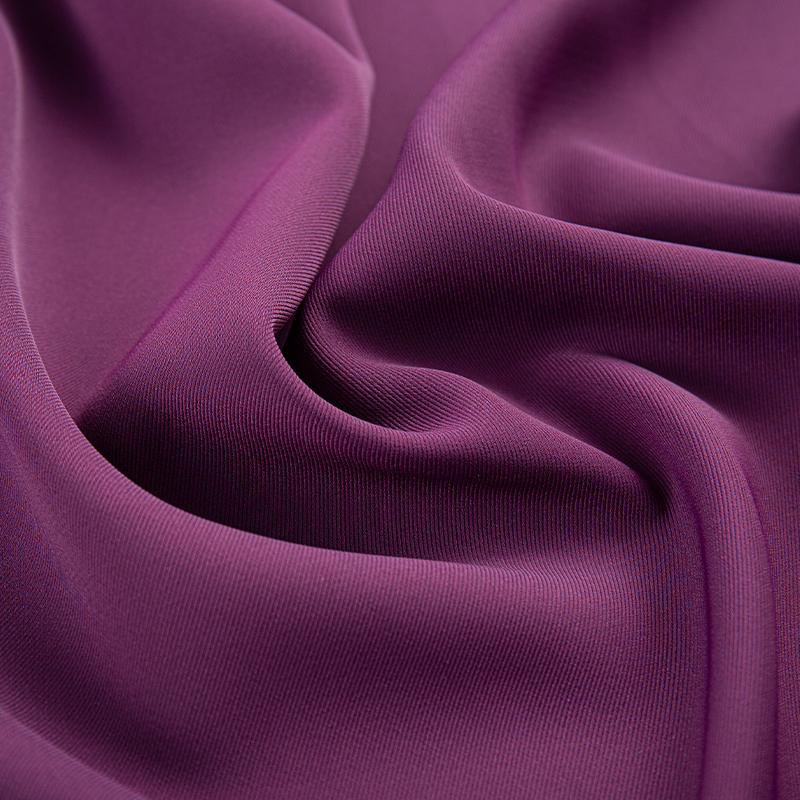
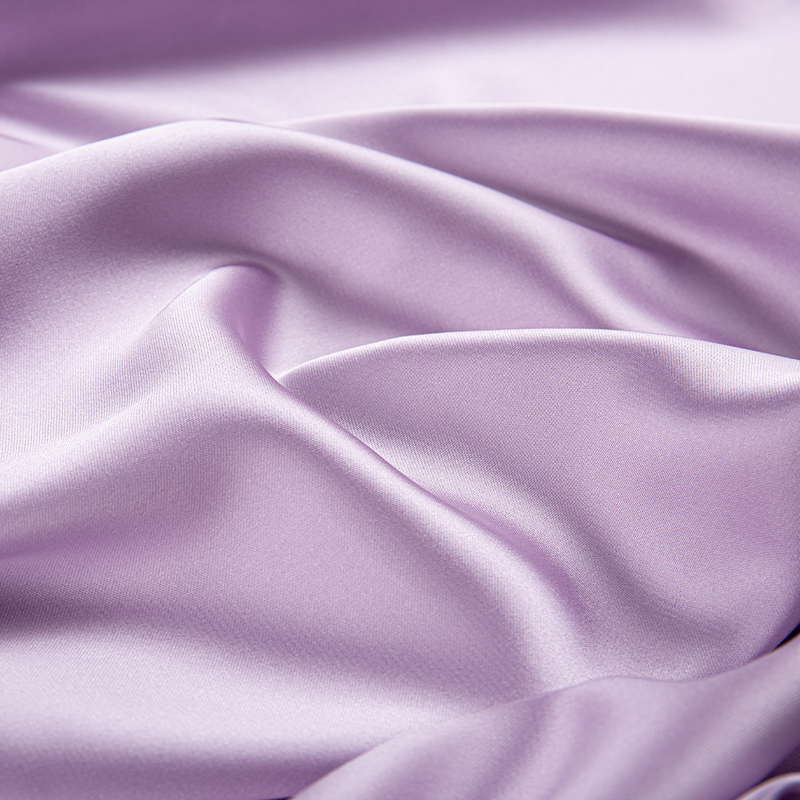
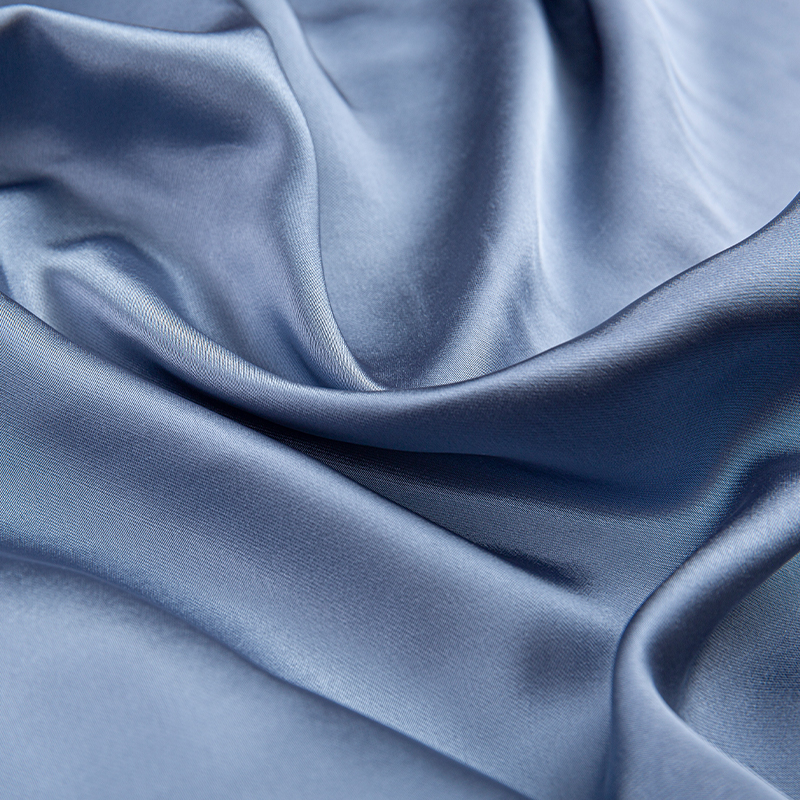
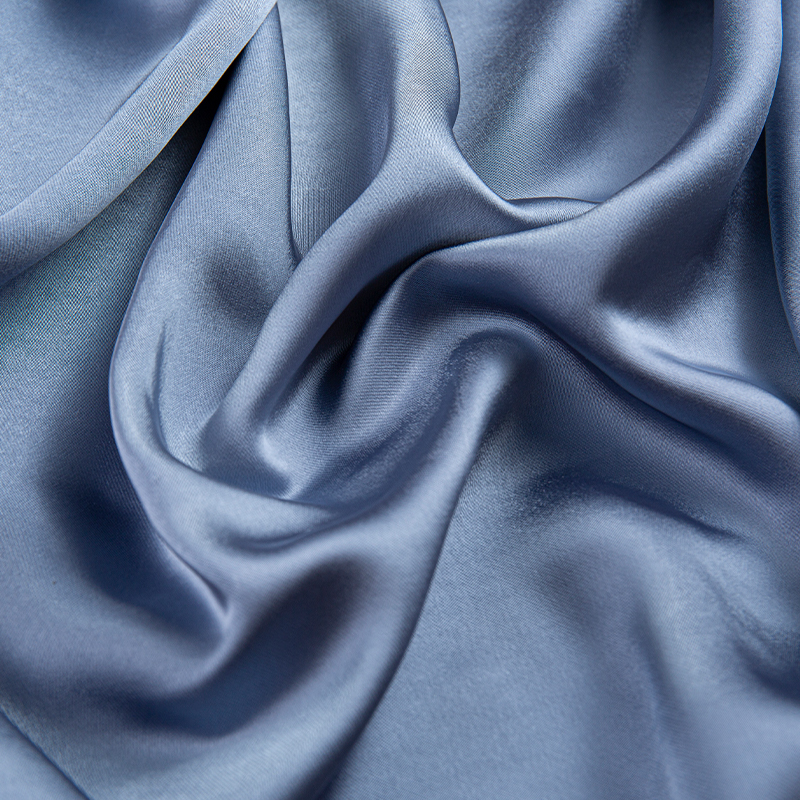
Sustainability used to mean sacrificing hand feel. That trade-off is disappearing fast, and Lyocell fabric is a large part of why. Spun from regenerated cellulose through a resource-efficient production process, it delivers a drape and softness that competes directly with premium natural fibers, while giving brands a sourcing story that holds up to real scrutiny.
Lyocell is a regenerated cellulose fiber, engineered from natural cellulose sources through a process built around efficiency and recovery rather than the higher-waste methods older fiber technologies relied on. It occupies a rare position in textiles: a natural raw material shaped by genuinely modern manufacturing.
The environmental case rests on that middle stage. Fiber formation is designed to recover process inputs for reuse rather than discharge them outright, which is a large part of why the fiber is treated as a genuinely sustainable option built on renewable raw material sources, not just a marketing label.
Consumers now expect comfort and conscience in the same garment. Lyocell delivers both without forcing a compromise.
Two pressures are converging. Brands are under real pressure to source materials that hold up to sustainability claims, and shoppers increasingly expect comfort as a baseline, not a premium feature. Lyocell answers both demands directly, meeting sustainability requirements, matching performance expectations, and fitting current fashion direction without asking a brand to choose between them.
Sourced from renewable cellulose, Lyocell gives product teams a way to reduce dependence on conventional synthetic materials without reworking an entire collection around it. That renewable base supports sustainable textile strategies at the brand level, fitting cleanly into environmentally conscious product development plans already underway across the industry.
Shirts, dresses, casual wear, underwear, and activewear all draw on Lyocell's comfortable touch, moisture management, and refined appearance.
Bedding, towels, and household fabrics benefit from the same softness and breathability that make the fiber a favorite in apparel.
Manufacturers gravitate toward Lyocell for reasons that go beyond sustainability messaging. It carries a premium fabric feel, blends easily with other fibers, and adapts across a wide range of garment designs, all while supporting a sustainable product positioning buyers increasingly expect. That combination improves shelf differentiation, aligns with sustainability commitments already in place, and strengthens overall consumer appeal.
Different products call for different material properties. Many sourcing teams choose between Lyocell and cotton, or blend the two, based on the specific end use rather than treating one as a universal replacement for the other.
| Factor | Why It Matters |
| Fiber composition | Confirms whether the fabric is pure Lyocell or a blend |
| Fabric structure | Knit or woven construction shapes drape and end use |
| GSM weight | Determines how the finished garment feels and performs |
| Color options | Should match the collection's design requirements |
| Finishing treatment | Shapes surface feel and adds performance properties |
| Application requirements | Apparel and home textile uses call for different properties |
| Customization capability | Determines how closely a supplier can match a specific brief |
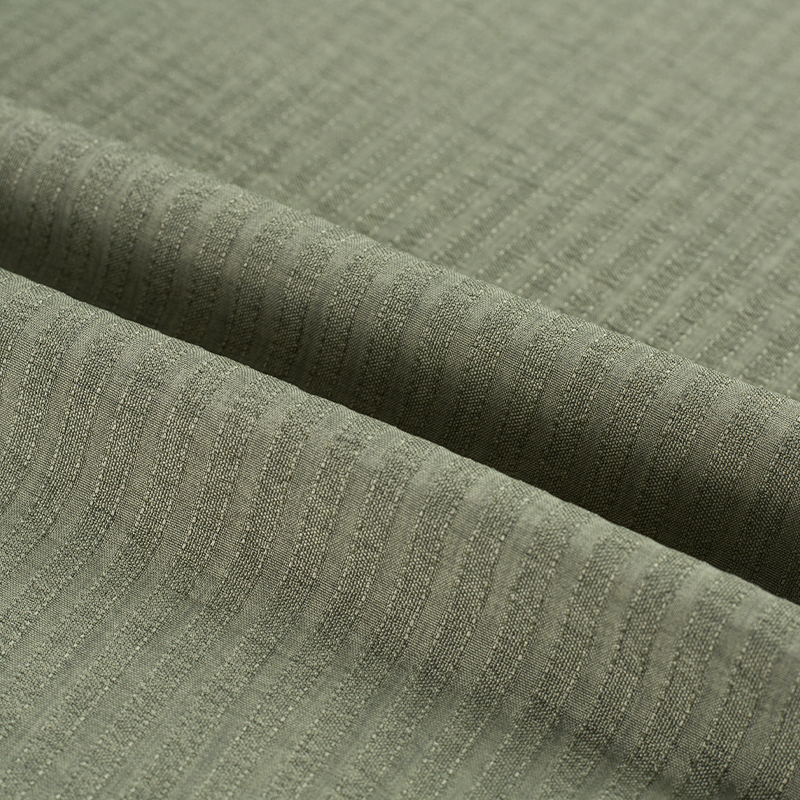
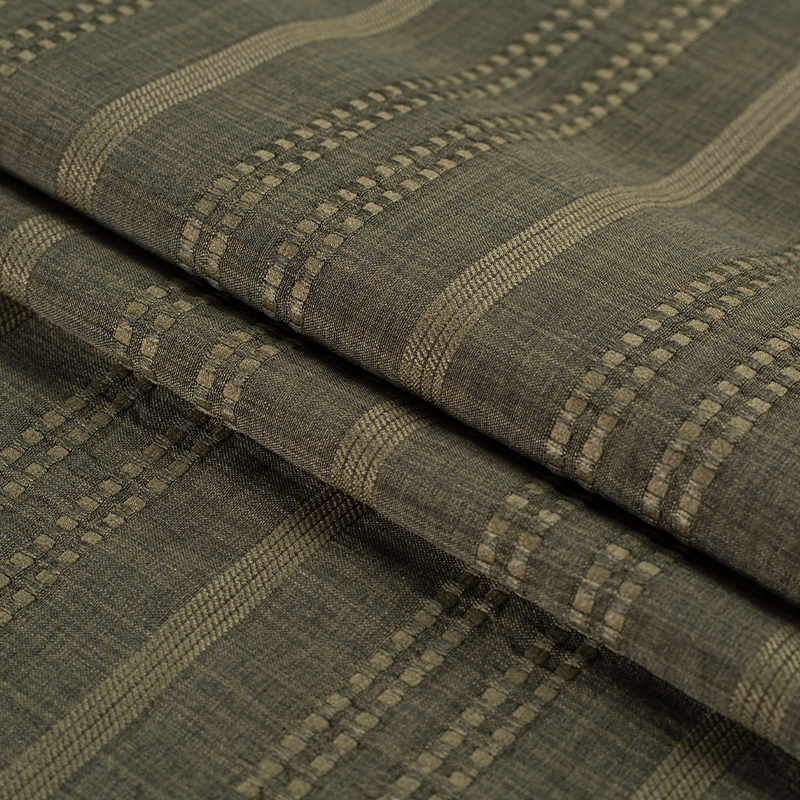
Flexible and soft, suited to apparel that needs stretch and easy movement.
A structured appearance that fits shirts and fashion-forward garment designs.
Combines the properties of different fibers, expanding the practical application range.
Consistency comes from checks applied throughout the process, not a single pass at the end. Fiber quality inspection filters out substandard raw material, fabric strength testing confirms the finished textile holds up under normal use, color fastness testing verifies dyes will not fade or bleed prematurely, shrinkage testing checks dimensional stability after washing, and appearance inspection catches any visible surface inconsistency before the fabric ships.
 |
 |
Demand for sustainable fibers keeps climbing across both fashion and home textile categories, and Lyocell is well positioned to capture a growing share of it. Expect wider use across apparel and home textile lines, continued development of blended Lyocell fabrics that pair its softness with other fiber properties, and a broader industry shift toward more environmentally responsible textile production overall.

Phone: +86 18806251599
TEL: +86 0512 63062555

Address: No. 1788, Yuanqu Road, Shengze Town, Wujiang District, Suzhou City, Jiangsu Province, China