 English
 中文简体
中文简体
Home / Products / SPH/CEY Series Fabrics / HY481 Breathable, light and wrinkle-resistant Brown SPH imitation acetate mesh fabric
Custom HY481 Breathable, light and wrinkle-resistant Brown SPH imitation acetate mesh fabric
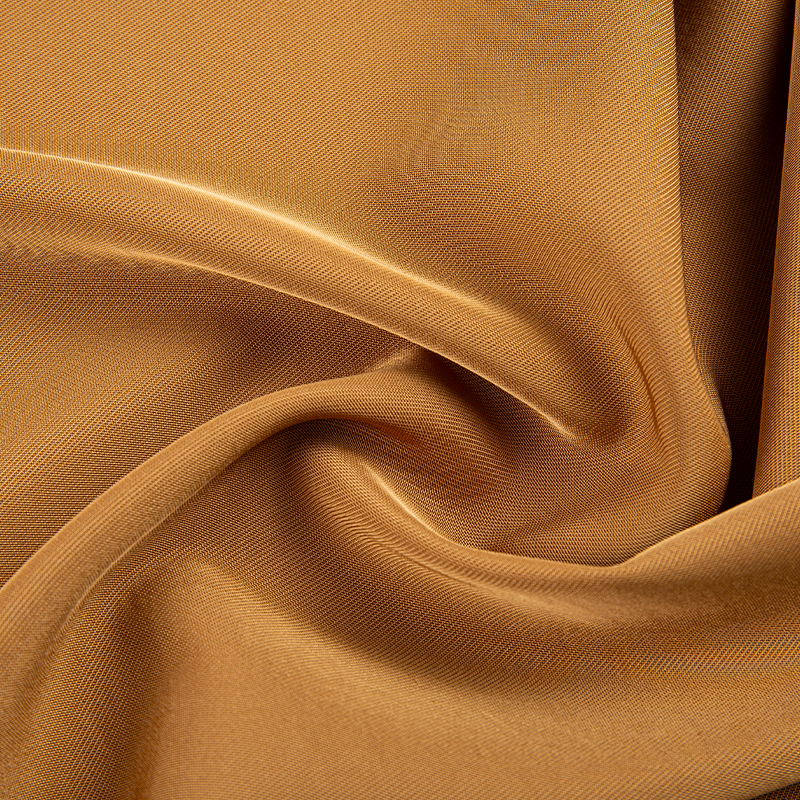
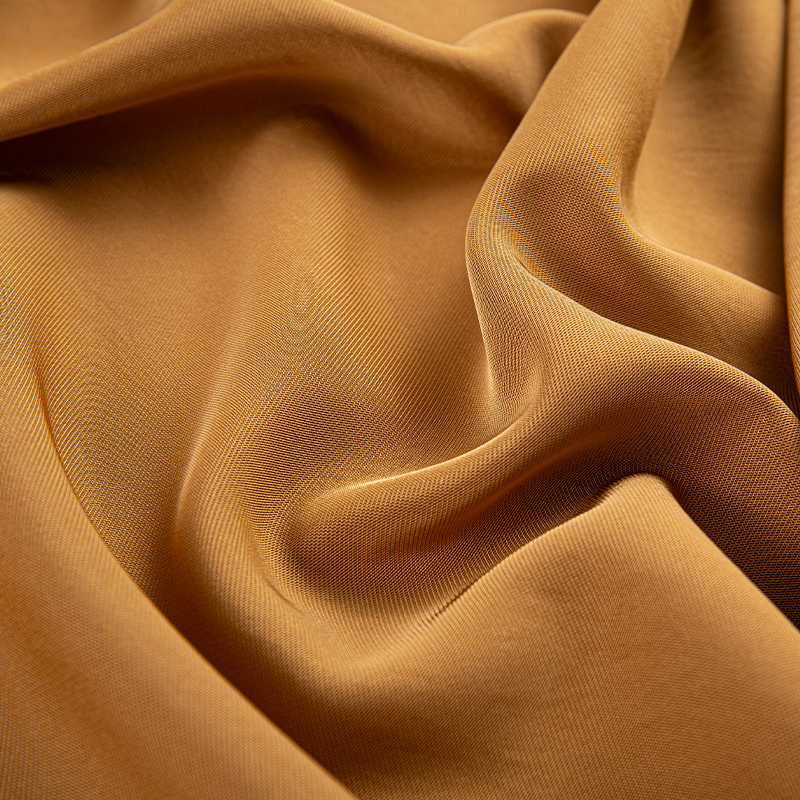
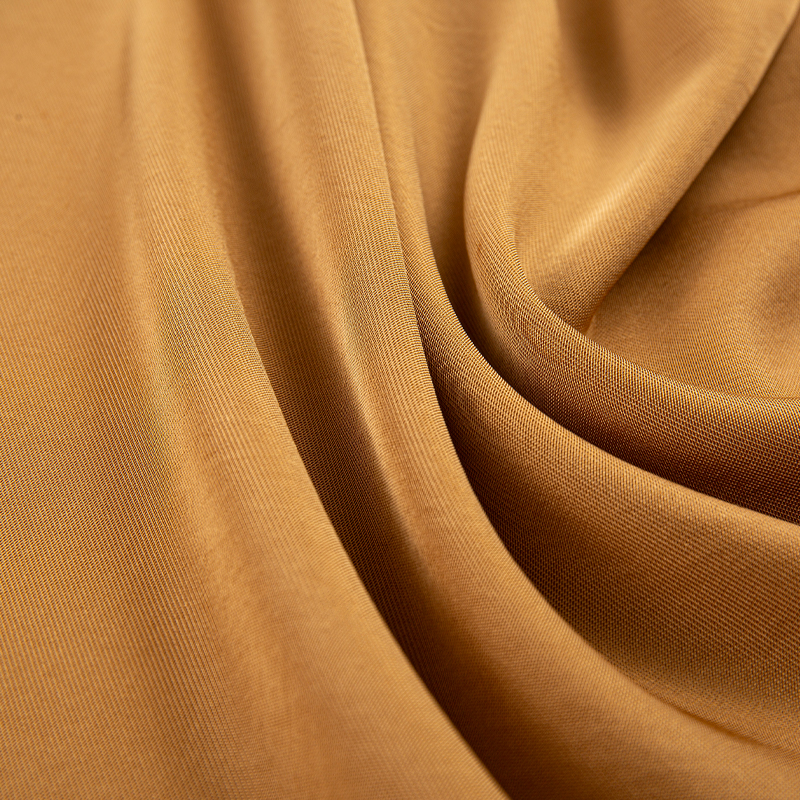
SPH imitation acetate mesh is a high-performance fabric that uses SPH (Super Performance Hybrid) modified polyester fiber to imitate the acetate effect and combines it with precision mesh weaving technology. It uses the imitation acetate process to give the surface a silky luster, while enhancing breathability with a three-dimensional mesh structure to achieve a balance between luxurious texture and functionality. It is suitable for high-end women's clothing, light sportswear, light luxury fashion and other fields that need to take into account both aesthetics and practicality. SPH imitation acetate mesh fabric redefines the standard of light luxury functional fabrics. It not only breaks through the durability bottleneck of natural acetate fiber, but also solves the comfort contradiction of traditional synthetic fabrics with the dynamic adjustability of the mesh. It is the choice for high-performance sustainable fashion fabrics in the future.
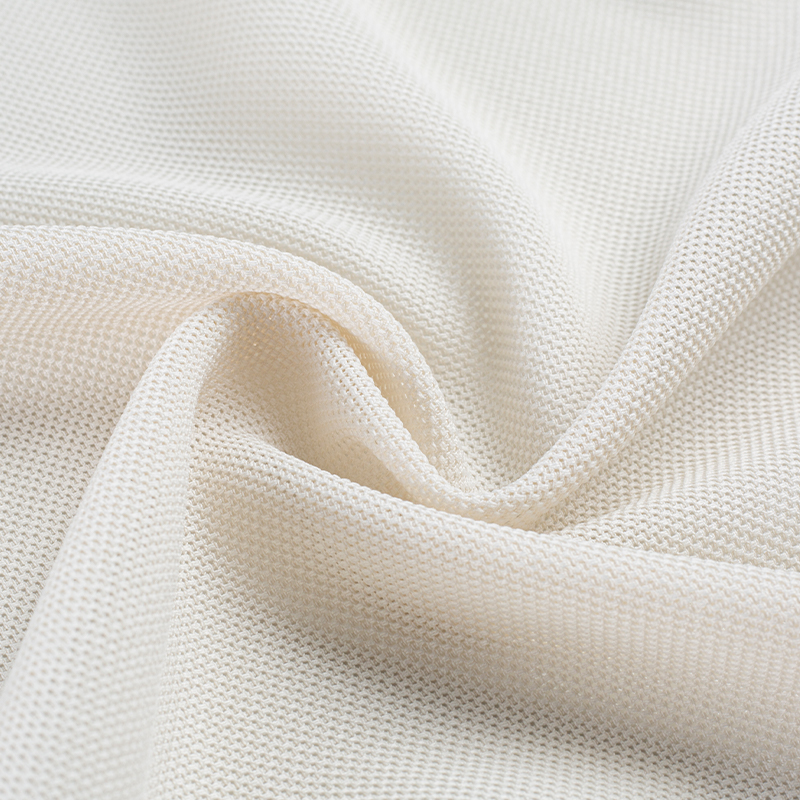
The fabric features a mesh texture design, presenting a fine and uniform grid-like pattern on the surface (not an exaggerated open mesh, but a flat, delicate texture), which visually adds a refined sense of detail and more dimension than solid-color fabrics. Combined with the "faux acetate" attribute, the fabric exhibits a soft satin sheen, providing a subtle and non-dazzling luster that enhances the premium feel of the material. Simultaneously, the mesh texture reduces the monotony of the sheen.
It falls into the lightweight to medium-weight category, with a soft and smooth touch. It offers the drape of faux acetate (wrinkles are natural and easily recoverable) while the mesh texture adds "body" to the fabric, preventing it from being too limp.
SPH material (typically a composite fiber structure) endows the fabric with both wrinkle resistance and breathability, while also being more durable and easier to care for than genuine acetate, making it less prone to snagging during daily wear.
Ideal for creating garments such as fitted dresses, draped blouses, elegant skirts, and chic camisoles, it can be styled for both elegant everyday looks and slightly formal occasions like casual evening events or dates. This fabric embodies a combination of "refined details and practicality".
| Category | Details |
| Company Name | Hongyuan Textile Industry |
| Number | HY481 |
| Item Name | Imitation Acetate Mesh Pattern |
| Specification | 75D Imitation Acetate + 95D/SPH*75D Imitation Acetate + 95D/SPH |
| Gram Weight | 185GSM |
| Density | 108*50 |
| Composition | 100%P |
| Address | No.7, Floor 112, Premium Product Zone, Shengze Town, Suzhou City |
| Factory | No.1788, Yuanqu Road, Shengze Town, Wujiang District, Suzhou City |
| Telephone | 0512 - 63062555; 0512 - 63062111 |
| Note | Data for reference only |
Sustainability used to mean sacrificing hand feel. That trade-off is disappearing fast, and Lyocell fabric is a large part of why. Spun from regenerated cellulose through a resource-efficient production process, it deli...
READ MOREChoosing a fabric for apparel is rarely just about look and feel anymore; sourcing and sustainability now weigh just as heavily on the decision. Lyocell twill fabric has become a favorite for designers and brands who wa...
READ MORESatin silk cloth fabric is one of the most sought-after materials in fashion and luxury textile production, prized for its glossy surface, fluid drape, and refined hand feel. For fashion brands, apparel manufacturers, a...
READ MOREWhen performance apparel needs to move with the body rather than against it, fabric choice is everything. 4 way stretch spandex fabric has become the industry benchmark for activewear, athleisure, and technical garments...
READ MOREIn the competitive landscape of high-end fashion fabrics, achieving vibrant, lasting color is as crucial as the foundational performance attributes. For a sophisticated material like hy481 breathable, light and wrinkle-resistant SPH imitation acetate mesh fabric, the dyeing process is not merely a finishing step but a core technological determinant of its market success. This fabric's unique construction—a blend of SPH modified polyester designed to mimic the luxurious luster of acetate, combined with a breathable mesh weave—presents both challenges and opportunities in coloration. The goal is to imbue the fabric with rich, consistent hues that penetrate the complex mesh structure without compromising its inherent wrinkle-resistant quality or delicate silky hand-feel.
The production of this fabric is supported by substantial industrial capability. Wujiang City Hongyuan Textile Co., Ltd. operates a standardized production plant covering 60,000 square meters, equipped with 500 water jet looms and staffed by over 500 employees. With comprehensive front-end facilities including 400 two-for-one twisting machines and advanced warp drawing equipment, the company possesses the integrated infrastructure necessary for rigorous quality control from fiber to finished fabric. This foundation is critical for implementing the precise and consistent dyeing processes required for a high-performance material. Specializing in women's apparel fabrics, the company's focus on categories like dresses and light luxury fashion underscores the importance of color excellence in the hy481 breathable, light and wrinkle-resistant SPH imitation acetate mesh fabric.
Before examining the dyeing methods, it is essential to understand the material being dyed. The hy481 fabric is composed of 100% polyester §, specifically a modified polyester known as SPH (Super Performance Hybrid). This composition is the primary factor dictating the selection of dyeing techniques.
Therefore, the dyeing process for the hy481 breathable, light and wrinkle-resistant SPH imitation acetate mesh fabric must be designed to overcome the hydrophobicity of polyester while respecting the delicate physical architecture of the mesh.
The industry-standard and most effective method for dyeing 100% polyester fabrics like the hy481 SPH imitation acetate mesh is High-Temperature High-Pressure (HTHP) dyeing. This process is specifically tailored to the physicochemical characteristics of polyester fibers.
The HTHP Process Explained:
The process involves placing the fabric in a sealed dyeing vessel, such as a jet dyeing machine. A dye bath is prepared using disperse dyes—the only category of dyes capable of effectively coloring polyester. These dyes are non-ionic and have low solubility in water. The dyeing cycle then proceeds as follows:
Advantages for HY481 Fabric:
The HTHP method is particularly advantageous for the hy481 breathable, light and wrinkle-resistant SPH imitation acetate mesh fabric for several reasons. It ensures excellent dye penetration throughout the complex mesh structure, resulting in uniform color from face to back. The process, when controlled precisely, does not degrade the wrinkle-resistant properties engineered into the SPH fiber. Furthermore, it provides outstanding color fastness to washing, perspiration, and rubbing, which are essential for the fabric's use in high-end women's apparel.
Beyond the choice of the HTHP method, several ancillary factors are meticulously controlled to guarantee the final product's color quality.
1. Selection of Disperse Dyes:
Not all disperse dyes are created equal. For the hy481 fabric, dyes are selected based on their:
2. The Role of Leveling Agents and Auxiliaries:
Specialized chemical auxiliaries are indispensable in the dye bath. Leveling agents act as surfactants, helping to disperse the dye evenly throughout the liquor and slow down its absorption by the fiber. This controlled absorption rate is vital for preventing streakiness and ensuring the dye penetrates the mesh structure uniformly, resulting in a consistent and vibrant shade.
3. Precision in Process Control:
The modern dye houses used by manufacturers like Hongyuan Textile rely on computer-controlled systems. These systems automate the critical parameters of temperature, pressure, and time. This eliminates human error and ensures that every batch of hy481 breathable, light and wrinkle-resistant SPH imitation acetate mesh fabric is dyed under identical conditions, guaranteeing remarkable batch-to-batch color consistency—a non-negotiable requirement for large-scale garment production.
The following table summarizes the key components of the dyeing process for the HY481 fabric:
| Process Component | Description | Relevance to HY481 Fabric |
|---|---|---|
| Dye Type | Disperse Dyes | The only effective dye class for 100% polyester (SPH fiber). |
| Dyeing Method | High-Temperature High-Pressure (HTHP) | Ensures deep dye penetration into the hydrophobic fiber and throughout the mesh weave. |
| Critical Parameter | Temperature (120-130°C) | Necessary to open the polyester fiber structure for dye diffusion. |
| Key Auxiliary | Leveling Agents | Promotes even dye distribution on the complex mesh structure, preventing patchiness. |
| Post-Treatment | Reduction Clearing | Enhances color fastness and fabric hand-feel by removing surface dye. |

Phone: +86 18806251599
TEL: +86 0512 63062555

Email: [email protected]

Address: No. 1788, Yuanqu Road, Shengze Town, Wujiang District, Suzhou City, Jiangsu Province, China