 English
 中文简体
中文简体
Home / Products / Silk Blended Fabric / HY275 Gray Polyester-spandex composite silk ice flower velvet fabric
Custom HY275 Gray Polyester-spandex composite silk ice flower velvet fabric
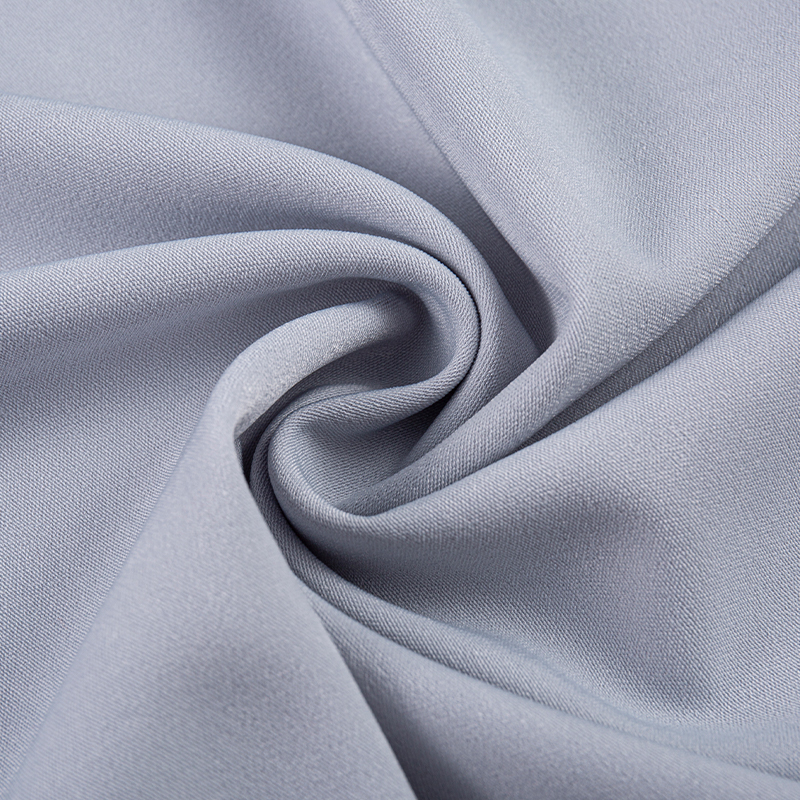
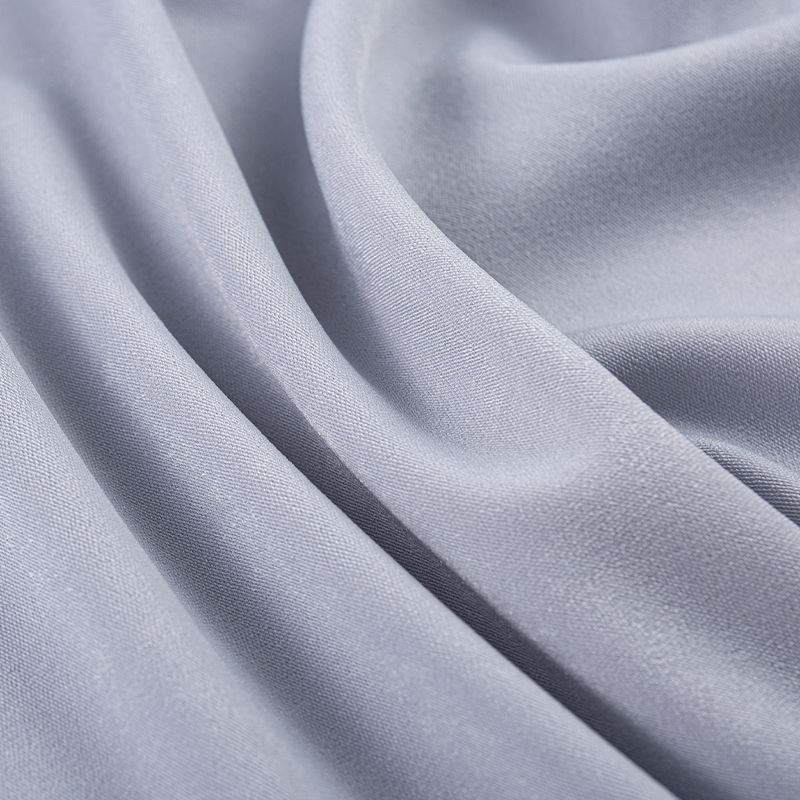
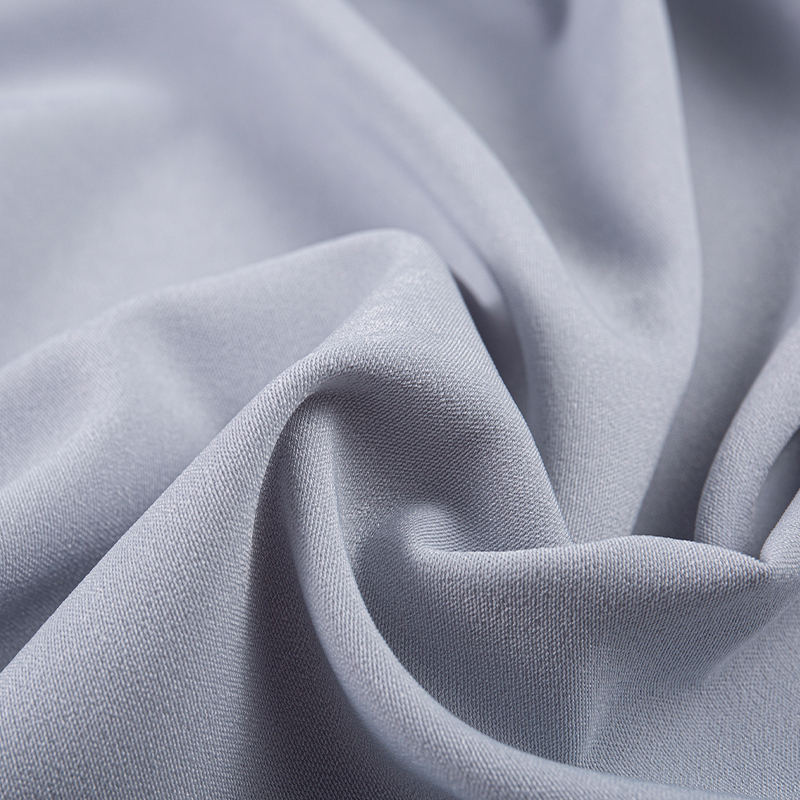
Polyester-spandex composite silk ice flower velvet fabric is made of polyester as the base fiber, with spandex as the core material. Polyester ensures the fabric's crispness and durability, while spandex imparts moderate elasticity, balancing form stability with comfortable wear. The surface features an irregular snowflake-like or ice-cracked texture, creating a strong three-dimensional effect. Reflected light creates a soft luster, creating a hazy, luxurious feel. Suitable for casual pants, dresses, sweatshirts, and loungewear, it retains the warmth of velvet while enhancing ease of movement thanks to its elastic design.
The surface presents a delicate "frost flower" texture (not an obvious fluffy feel, but a slight matte texture inherent to the fabric weave), with a soft matte luster that makes the overall style more gentle and sophisticated; fabric folds are natural and soft, offering some drape without being too limp, visually conveying a "soft yet not saggy" relaxed feel.
Base is polyester-ammonia composite yarn: polyester ensures wrinkle resistance and durability, while spandex provides micro-elasticity (making dressing and movement more comfortable); suitable for autumn and winter, with adequate warmth without bulkiness, featuring a smooth and delicate touch without the "heavy, sticky feel" of ordinary velvet fabrics; composite yarn technology makes the fabric denser, less prone to snagging or pilling, and relatively easy to maintain in daily use.
Garment types: suitable for dresses, wide-leg pants, blazers, sweatshirts, etc. — dresses/pants showcase draping qualities, while jackets balance softness with slight structure; good skin-friendliness, micro-elasticity allows freedom of movement, matte texture inherently conveys a "luxurious" quality, suitable for casual or smart-casual wear with a sense of quality; soft texture complements minimalist, gentle, and light French styles, making it a "low-key, versatile, yet detailed" fabric.
| Category | Details |
| Company Name | Hongyuan Textile Industry |
| Number | HY275 (339) |
| Item Name | Zhong Bing Hua |
| Specification | (50D+50D+40SP)*(100D+40SP) |
| Gram Weight | 256GSM |
| Density | 78*47 |
| Composition | 90%P 10%SP |
| Address | No.112, Building 7, Boutique Business District, Shengze Town, Suzhou City |
| Factory | No.1788, Yuanqu Road, Shengze Town, Wujiang District, Suzhou City |
| Telephone | 0512 - 63062555; 0512 - 63062111 |
| Note | Data for reference only |
Sustainability used to mean sacrificing hand feel. That trade-off is disappearing fast, and Lyocell fabric is a large part of why. Spun from regenerated cellulose through a resource-efficient production process, it deli...
READ MOREChoosing a fabric for apparel is rarely just about look and feel anymore; sourcing and sustainability now weigh just as heavily on the decision. Lyocell twill fabric has become a favorite for designers and brands who wa...
READ MORESatin silk cloth fabric is one of the most sought-after materials in fashion and luxury textile production, prized for its glossy surface, fluid drape, and refined hand feel. For fashion brands, apparel manufacturers, a...
READ MOREWhen performance apparel needs to move with the body rather than against it, fabric choice is everything. 4 way stretch spandex fabric has become the industry benchmark for activewear, athleisure, and technical garments...
READ MOREThe world of advanced textiles is constantly evolving, with new materials emerging that challenge our perceptions of comfort, durability, and aesthetics. One such innovation making significant waves is HY275 Polyester-spandex composite silk ice flower velvet fabric. This name, while technical, points to a fabric with a unique combination of properties. But what exactly is it, and what makes it stand out in the crowded textile market? This article delves deep into the science, production, and applications of this remarkable material.
To understand HY275 Polyester-spandex composite silk ice flower velvet fabric, it's essential to break down its name, as each component reveals a key aspect of its identity.
The "HY275" prefix is not a marketing term but a specific grade or specification code. In industrial textiles, such codes often denote critical parameters like yarn density, filament fineness, or a particular production batch standard. For HY275, it likely specifies the precise ratio and type of raw materials used, ensuring consistency and performance that meets a defined industrial benchmark. This alphanumeric code is a promise of reliability and repeatable quality.
The heart of the fabric lies in its composite nature, primarily utilizing two synthetic polymers:
The combination creates a synergistic effect: polyester offers robustness, while spandex provides freedom of movement.
This is a crucial descriptor. The fabric is not woven from natural silk. Instead, "composite silk" refers to the use of advanced spinning and texturing technologies on polyester filaments to create a fiber that mimics the smooth, lustrous, and soft hand-feel of natural silk. This process involves altering the cross-section and surface of the polyester fibers to reduce the synthetic shine and create a more luxurious, subdued luster.
This is the most evocative part of the name, describing the final finish of the fabric. "Velvet" indicates a pile fabric, meaning it has a dense, soft nap or surface of cut threads. "Ice flower" likely describes a specific pattern or visual effect embossed or woven into the velvet pile. This could resemble frost crystals or a delicate, shimmering floral pattern that catches the light, giving the fabric a unique visual depth and a cool, smooth tactile sensation reminiscent of ice or satin.
The creation of HY275 Polyester-spandex composite silk ice flower velvet fabric is a multi-stage, precision-driven process.
The process begins with the selection of high-quality polyester and spandex yarns. The polyester filaments are often subjected to a texturing process to achieve the desired "silk-like" softness and drape. These yarns are then precisely blended on high-speed warping machines to create the composite yarn base.
The blended yarns are woven into a base fabric using advanced looms, such as water jet looms. These looms use jets of water to insert the weft yarn, a method known for its high speed, efficiency, and gentleness on the yarns, resulting in a high-quality, consistent base cloth with minimal defects.
The woven fabric undergoes dyeing to achieve vibrant, colorfast hues. The subsequent finishing stages are critical for developing the signature "ice flower velvet" character. This involves:
The true value of HY275 Polyester-spandex composite silk ice flower velvet fabric lies in its performance portfolio, which stems from its material science foundation.
The unique blend of aesthetics and functionality opens doors to diverse applications:
Creating a sophisticated material like HY275 Polyester-spandex composite silk ice flower velvet fabric is not merely a matter of following a recipe. It requires deep-seated expertise in textile engineering, a nuanced understanding of fiber science, and precise control over every stage of production. This level of proficiency is often cultivated over decades. In regions with a long history of textile mastery, such as Shengze, renowned as China's "Silk Capital," this knowledge is part of the industrial fabric. Companies rooted in such environments, especially those established since the 1990s, bring over 30 years of specialized experience to the table. Their journey, from mastering traditional silk weaving to pioneering modern composite materials, reflects a commitment to evolution and quality. Operating from extensive, standardized production facilities equipped with hundreds of modern looms and supported by a large, skilled workforce, these entities are equipped to transform innovative concepts like the HY275 fabric into a consistent, high-quality reality. This synergy of historical expertise and modern manufacturing capability is crucial for pushing the boundaries of what textiles can achieve.
HY275 Polyester-spandex composite silk ice flower velvet fabric is a testament to the innovation possible in modern textile science. It successfully combines the luxurious aesthetics of silk and velvet with the practical, high-performance benefits of synthetic fibers. By understanding its composition, manufacturing process, and advantages, designers and manufacturers can leverage this material to create products that are not only beautiful but also durable, comfortable, and easy to maintain. As consumer demand for multifunctional materials grows, fabrics like HY275 are poised to play an increasingly important role in the future of fashion and interior design.

Phone: +86 18806251599
TEL: +86 0512 63062555

Email: [email protected]

Address: No. 1788, Yuanqu Road, Shengze Town, Wujiang District, Suzhou City, Jiangsu Province, China