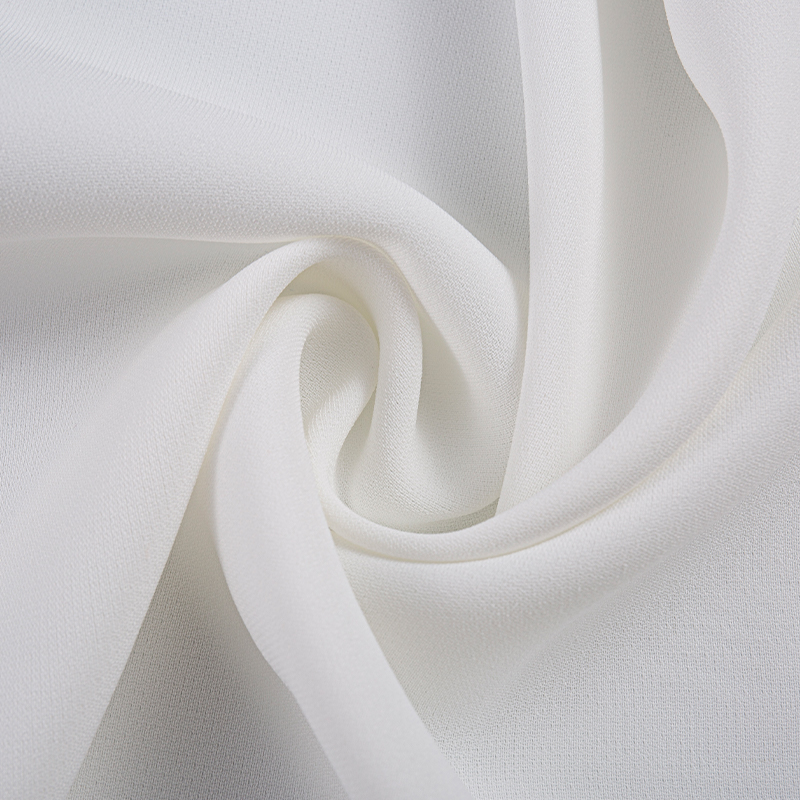
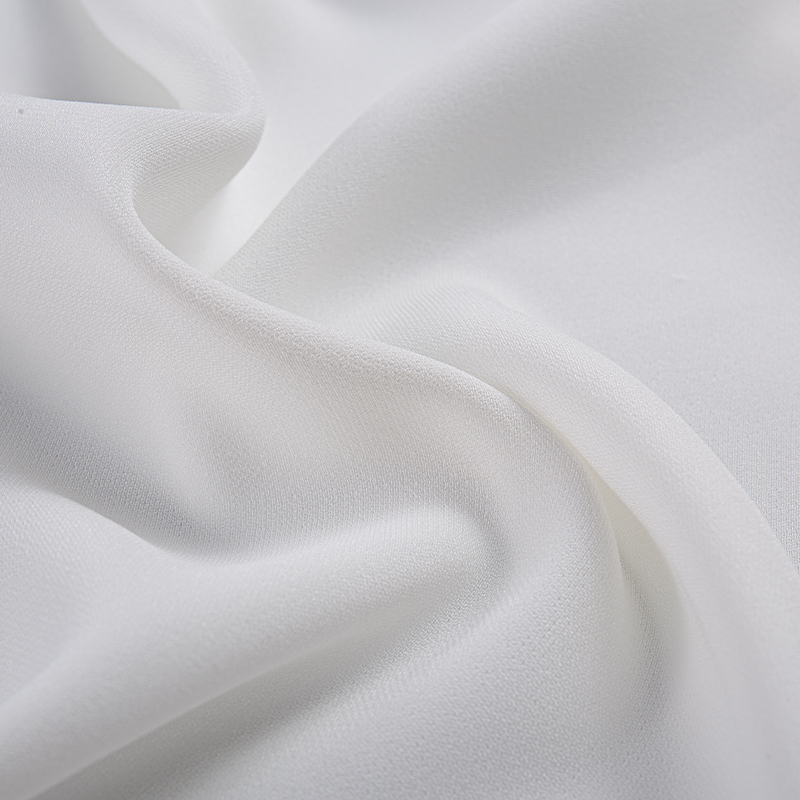
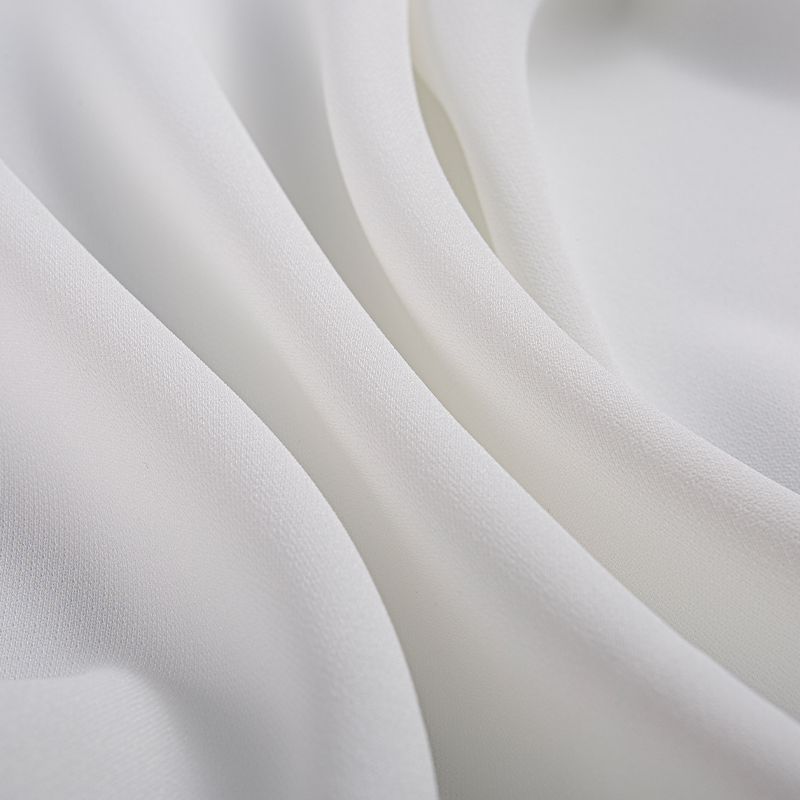
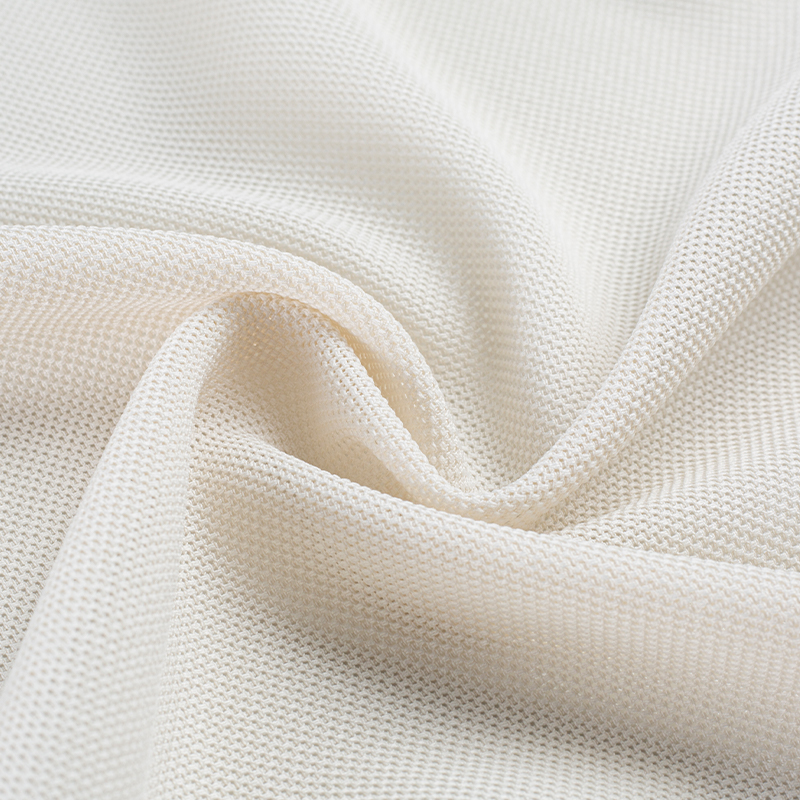
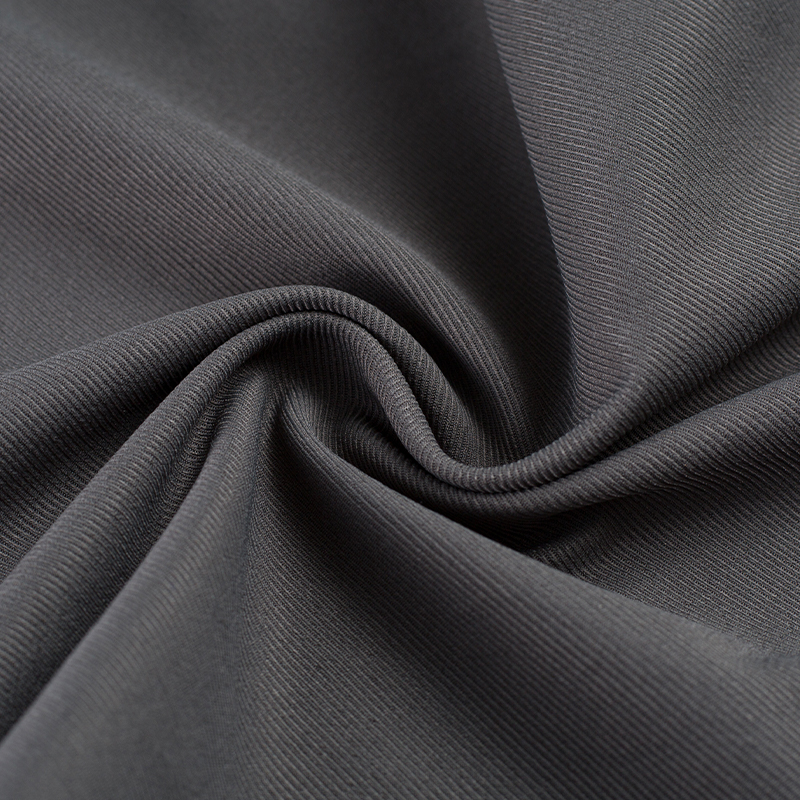
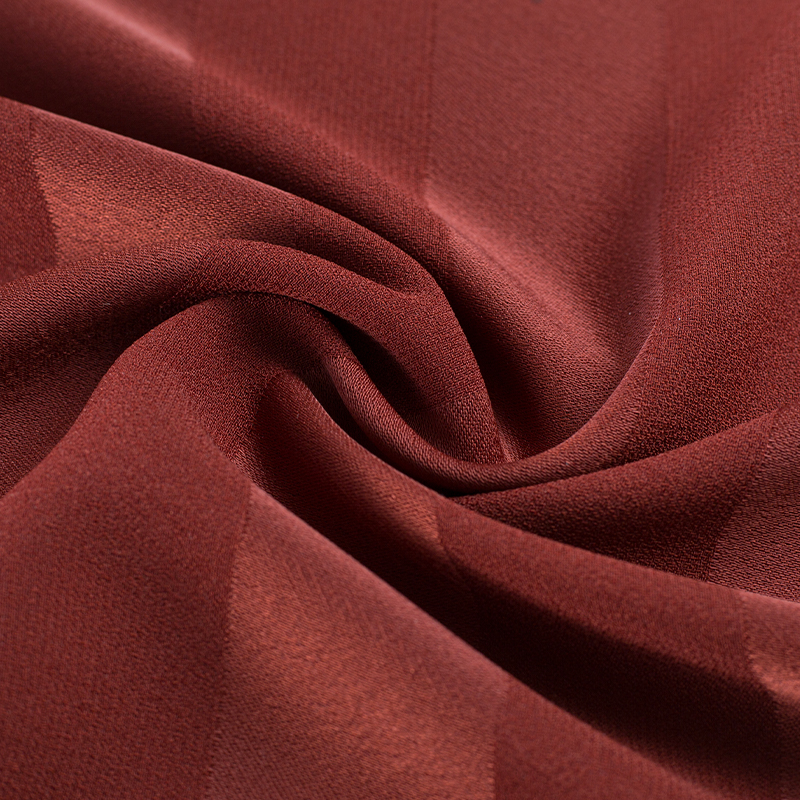
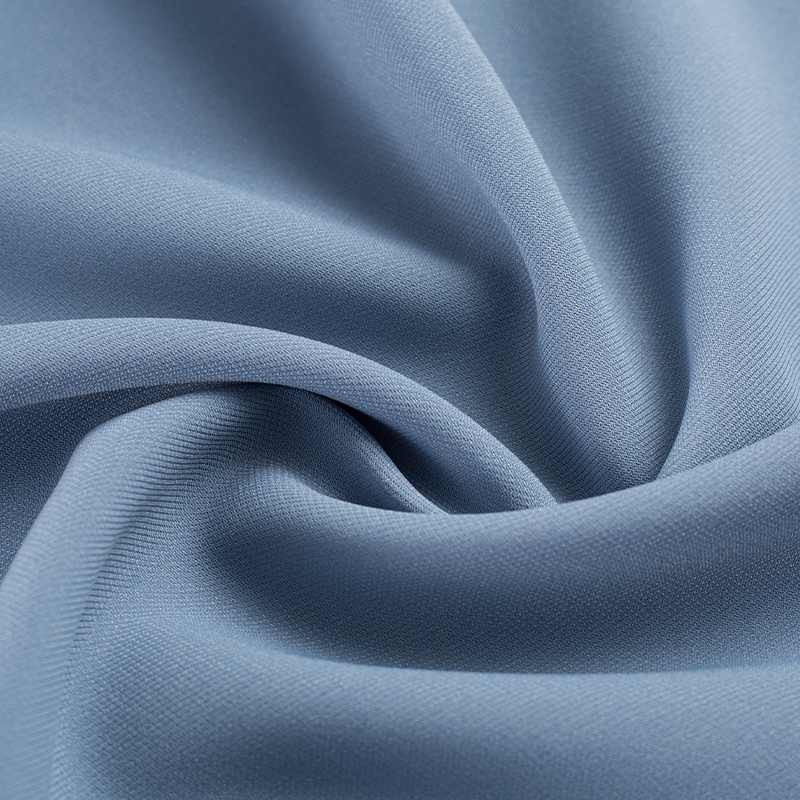
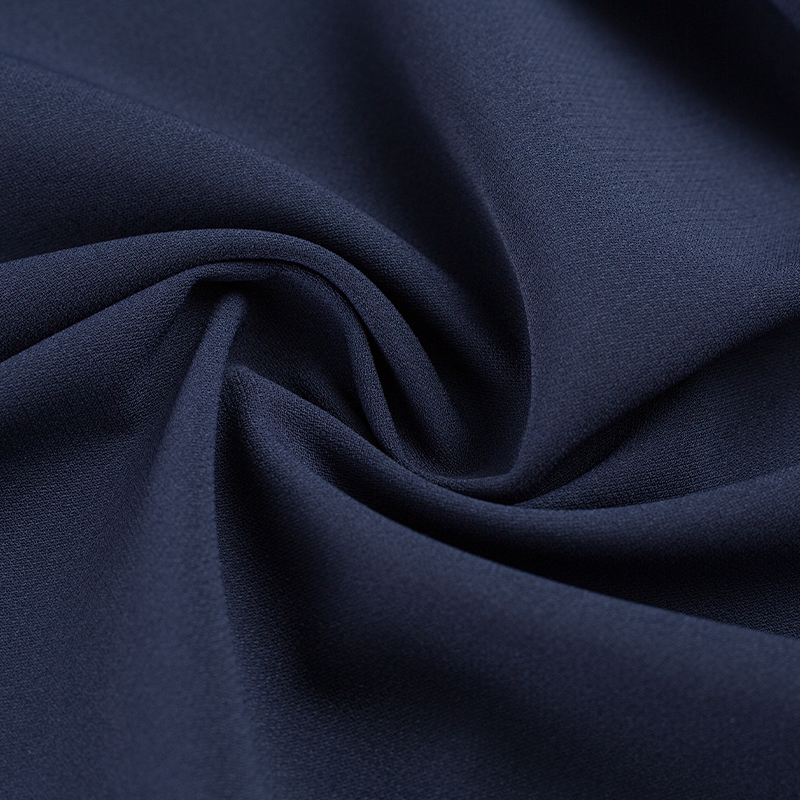
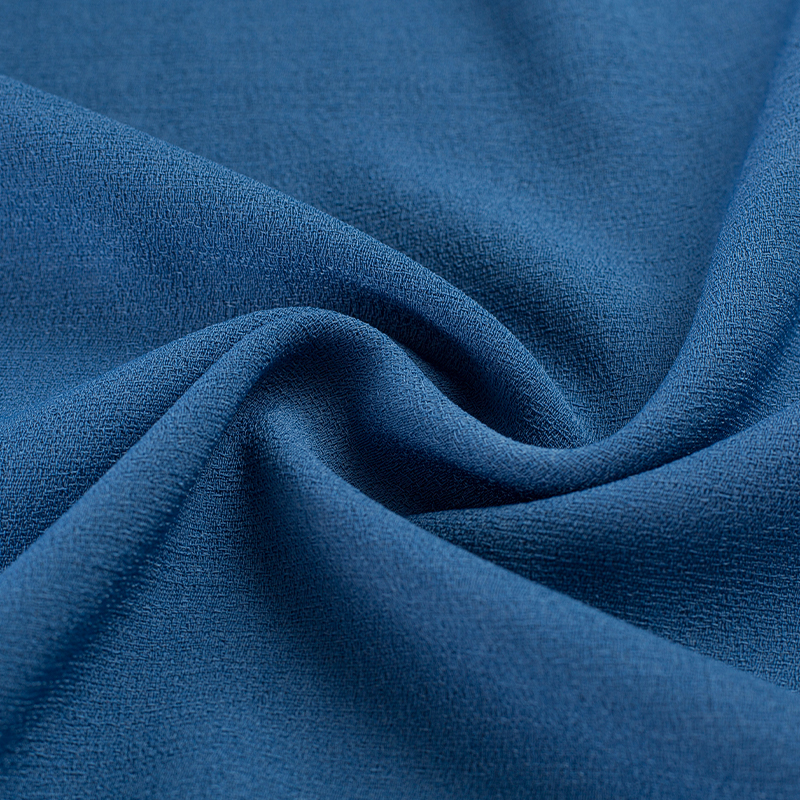
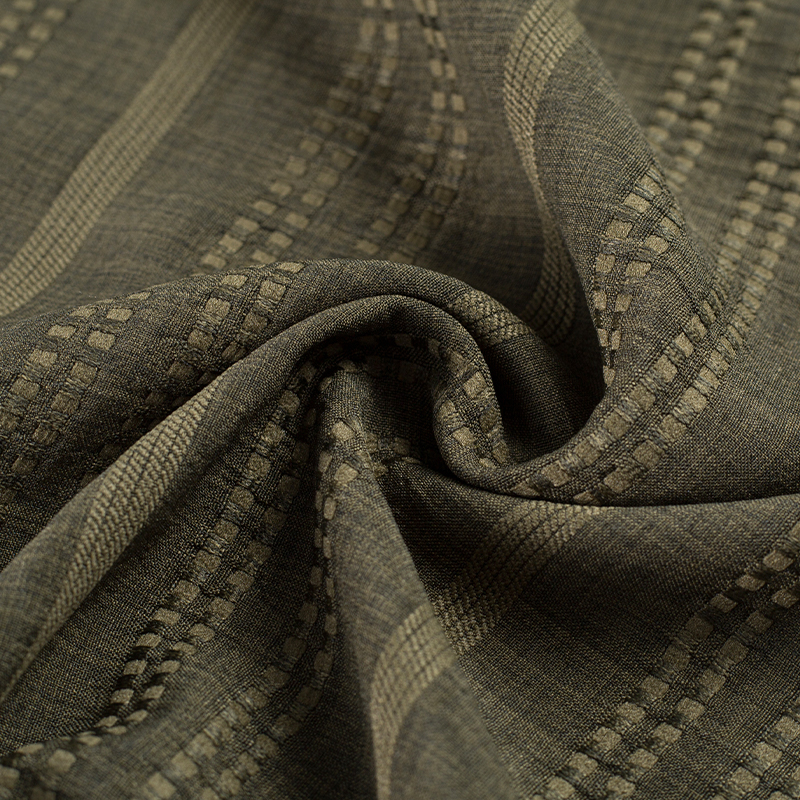
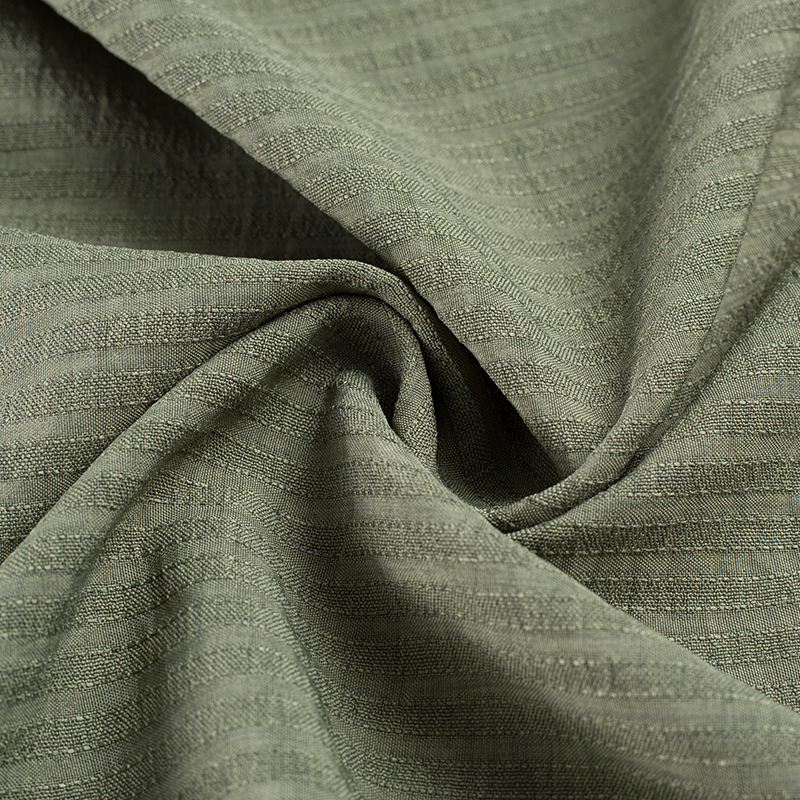
DS529 CEY White double-sided broken card composite fabric for business wear and functional uniforms Industry knowledge
How Does Double-Sided Broken Card Composite Fabric Enhance Business Wear and Functional Uniforms?
Introduction
In the development of modern textiles, composite fabrics occupy a crucial position due to their ability to integrate different structures, functions, and aesthetics into a single material system. Among them, double-sided broken card composite fabric has gradually gained recognition in both professional and commercial sectors. This material combines unique weaving techniques with functional finishing processes, making it a strategic choice for business wear and functional uniforms, while also addressing the needs of durability, comfort, and style.
The term "double-sided broken card" refers to the specific yarn carding and weaving technique that produces a textured, layered surface on both sides of the fabric. Unlike single-sided treatments, the double-sided method ensures uniform performance, balanced density, and a tactile consistency across both surfaces.
The composite structure adds another layer of functional complexity. By combining fibers of different origins—such as polyester, viscose, or functional blends—the fabric acquires multidimensional attributes: mechanical strength from synthetic fibers, moisture regulation from cellulosic fibers, and surface aesthetics from finishing treatments.
Key aspects of its structure include:
- Balanced Yarn Orientation – Provides tensile stability and reduces deformation under frequent wear.
- Dual-Surface Functionality – Both sides offer comparable durability, expanding end-use flexibility.
- Composite Bonding Layer – Enhances dimensional stability, preventing issues such as wrinkling or excessive shrinkage.
- Adaptability to Finishes – The surface texture responds effectively to treatments such as matte coating or functional lamination.
Performance Advantages
The industry value of double-sided broken card composite fabric for business wear and functional uniforms is defined by its multi-layered performance profile:
- Durability and Resistance: The interlaced yarn construction ensures high resistance to abrasion, which is critical for uniforms subjected to intensive daily use.
- Comfort and Breathability: Despite its strength, the fabric retains permeability and moisture-wicking functions, aligning with ergonomic clothing standards.
- Aesthetic Versatility: The matte surface effect creates a refined, non-reflective appearance suitable for formal environments. It also enhances colorfastness, allowing uniform tones in large-scale apparel production.
- Shape Retention: Composite stabilization prevents fabric sagging and supports clean lines in tailored garments.
- Adaptability to Treatments: Fire-retardant, anti-static, or water-repellent finishes can be incorporated, meeting the demands of specialized functional uniforms.
Industrial Application Fields
The relevance of double-sided broken card composite fabric extends across multiple textile market segments:
- Business Wear
Suits, jackets, and trousers benefit from the matte finish and structural stability.
The balanced weight of the fabric allows all-season adaptability, supporting professional aesthetics with functional durability.
- Functional Uniforms
Airline, corporate, and hospitality uniforms utilize the fabric’s resistance and comfort balance.
Specialized uniforms, such as those for security or logistics, value its strength, color stability, and adaptability to safety finishes.
- High-Performance Casual Segments
Beyond formal uses, it is increasingly relevant in premium casual wear, where functionality and elegance converge.
Role of Integrated Production and Supply Chain Control
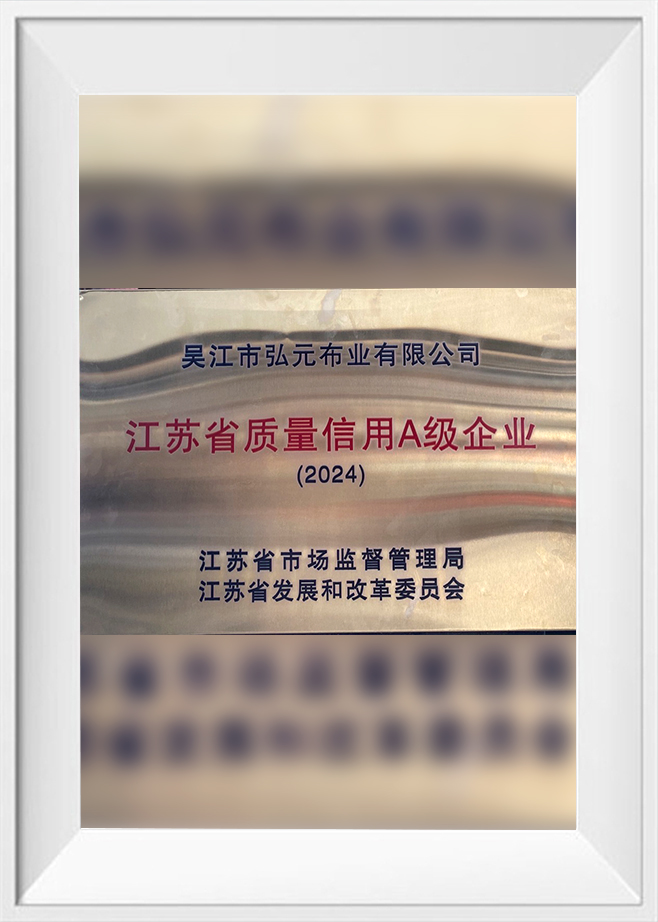
In the textile sector, the ability to ensure quality and timely delivery depends heavily on the production model. WuJiang City Hongyuan Textile Co., Ltd. exemplifies how integrated production and sales strengthen market competitiveness.
- Complete Equipment Facilities: With 400 double twisting machines and over 10 sets of advanced warp drawing equipment, the company controls critical weaving stages.
- In-House Manufacturing: From raw fiber processing to final finishing, every step is managed internally, eliminating dependency on external suppliers.
- Short Delivery Time: The self-produced and self-sold model accelerates the supply cycle, aligning with fast-moving demands in uniform and business wear markets.
- Consistent Quality Assurance: Centralized control ensures stable performance parameters across large-scale production runs.
Such integration demonstrates the industrial necessity of reducing external risks while maintaining the adaptability to innovate with fabrics like double-sided broken card composites.
Market and Technical Trends
The development of composite fabrics is closely tied to consumer demand and functional innovation. Current industry trends highlight:
- Sustainability: Increasing use of recycled polyester and eco-friendly dyeing processes to align with environmental regulations.
- Multi-Functionality: Incorporation of smart finishes such as anti-bacterial, UV-resistant, or odor-control properties.
- Digital Production: Advanced warp drawing and digital finishing technologies enhance precision and reduce waste.
- Customization for Enterprises: Large organizations demand fabrics that balance professional appearance with specific functional requirements, driving the popularity of versatile composites.
Comparative Perspective within Fabric Categories
| Fabric Type |
Structure |
Key Strengths |
Limitations |
Application Fit |
| Double-Sided Broken Card Composite |
Dual-surface carding, composite bonding |
Durability, matte elegance, adaptability to finishes |
Higher production complexity |
Business wear, functional uniforms |
| Plain Weave Polyester |
Simple interlacing |
Cost-effective, lightweight |
Limited durability, less formal appearance |
Casual apparel, low-cost uniforms |
| Wool Blend Twill |
Twill weaving, blended fibers |
Natural drape, comfort |
Sensitive to care, higher cost |
Premium suits, seasonal wear |
| Knitted Functional Fabrics |
Loop-based construction |
High elasticity, comfort |
Lower shape retention |
Sportswear, casual wear |
Conclusion
The industrial importance of double-sided broken card composite fabric lies in its capacity to merge durability, comfort, and aesthetic sophistication within a single material platform. Its matte finish, dual-surface structure, and adaptability to advanced treatments make it particularly suitable for business wear and functional uniforms, sectors that demand both reliability and professional presentation.
By controlling the entire production chain, WuJiang City Hongyuan Textile Co., Ltd. demonstrates how its integrated facilities not only guarantee consistent quality but also enable rapid response to changing market demands. As textile innovation continues to emphasize sustainability, versatility, and efficiency, double-sided break-card laminate fabric stands out as a forward-thinking material with broad industry relevance.

 English
 中文简体
中文简体