 English
 中文简体
中文简体
Home / News / Industry News / Should You Choose a Cotton-Blend or 100% Clothing Lyocell Fabric for High-End Summer Collections: Which Offers Better Durability?
Industry News
Content
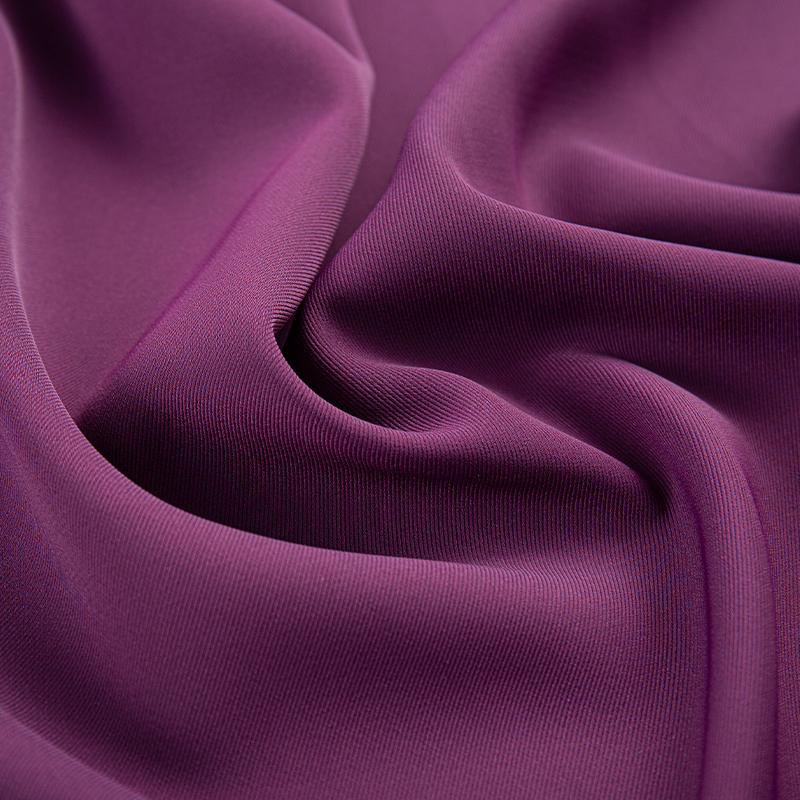
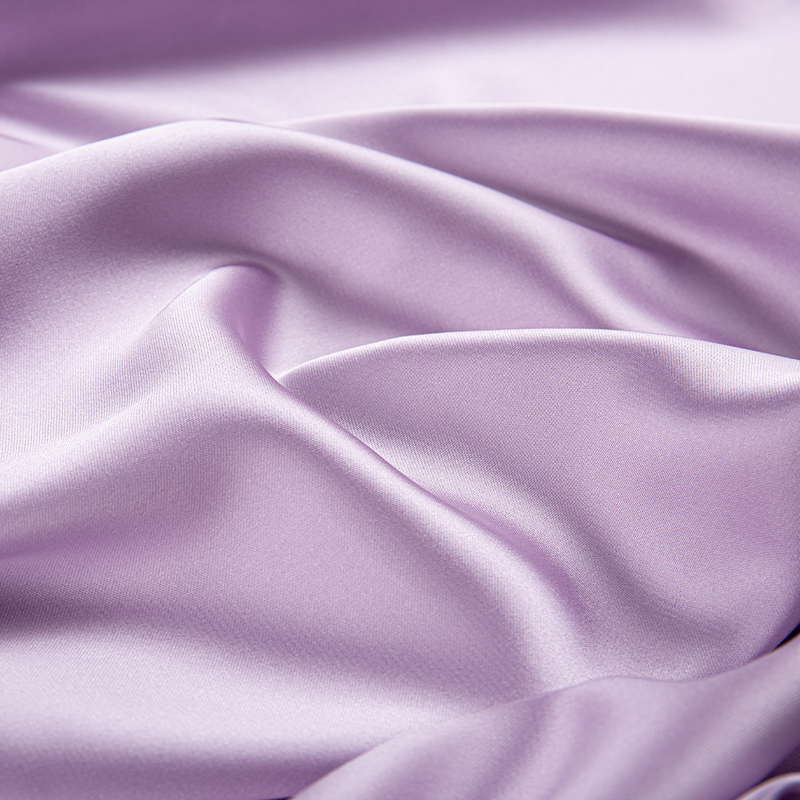
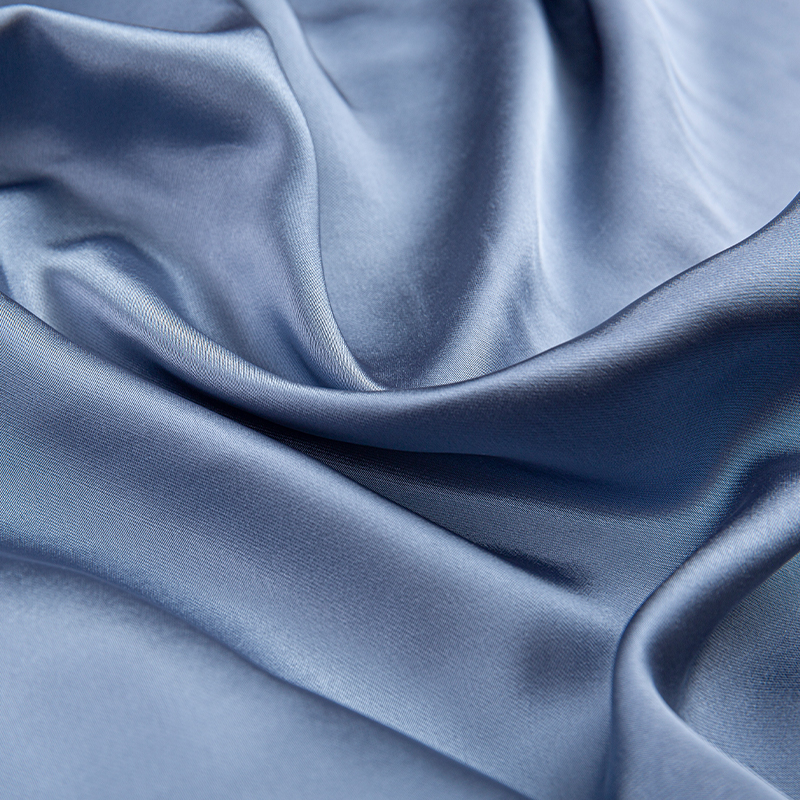
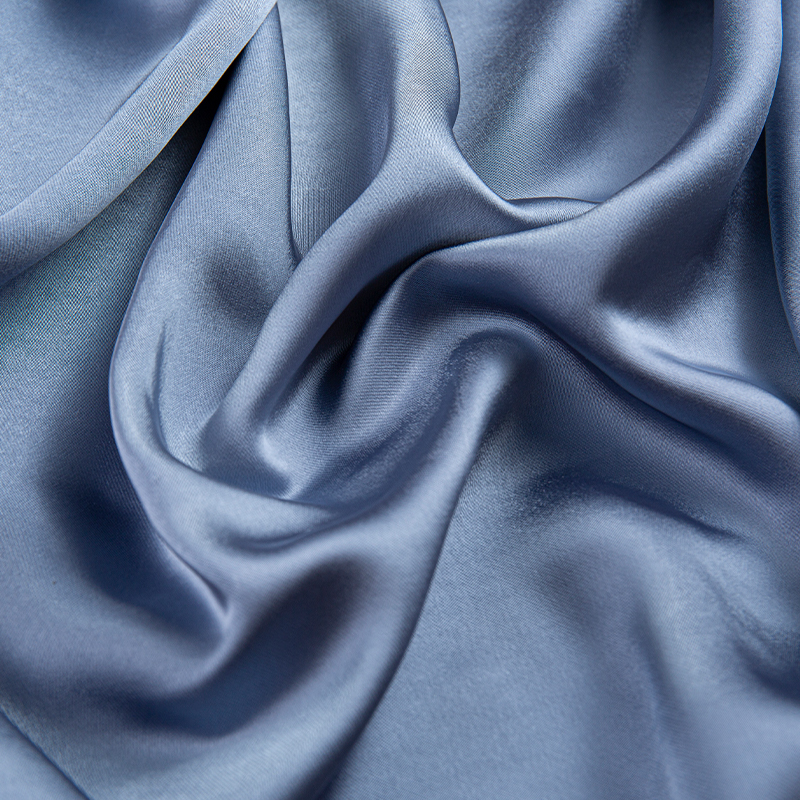
In the competitive landscape of high-end summer fashion, material selection is the bridge between aesthetic luxury and functional longevity. As designers pivot toward sustainable cellulose fibers, clothing lyocell fabric has emerged as a premier choice due to its silk-like drape and superior moisture management. However, a critical engineering question remains for manufacturers: does 100% purity offer the best performance, or does a blend provide the necessary structural reinforcement? WuJiang City Hongyuan Textile Co., Ltd., with over 30 years of expertise in the "Silk Capital" of Shengze, operates 60,000 square meters of standardized production to solve these textile challenges. Utilizing 500 water jet looms and advanced warp drawing equipment, we produce high-caliber clothing lyocell fabric tailored for global markets. This article analyzes the durability of 100% lyocell vs cotton blends to determine the optimal substrate for summer high-fashion.
From a textile engineering perspective, clothing lyocell fabric is renowned for its high wet modulus, which is significantly superior to viscose or traditional modal. However, when evaluating lyocell cotton blend durability, the introduction of cotton fibers alters the mechanical properties of the yarn. 100% Lyocell fibers are exceptionally smooth and uniform, which provides high dry strength but can lead to fibrillation (the "peach skin" effect) after repeated mechanical stress. By comparing lyocell vs cotton for summer wear, we find that blending Lyocell with long-staple cotton increases the friction between fibers, which helps to stabilize the fabric structure against pilling. This makes blended lyocell fabric for high-end fashion a more robust choice for garments that undergo frequent laundering, while 100% lyocell fabric summer benefits like maximum breathability remain unmatched for drape-heavy evening wear.
| Performance Metric | 100% Clothing Lyocell Fabric | Lyocell/Cotton Blend (60/40) |
| Dry Tenacity (cN/tex) | 38 - 42 | 30 - 35 |
| Wet Strength Retention | ~85% | ~70% |
| Pilling Resistance | Moderate (Risk of Fibrillation) | High (Stabilized by Cotton) |
For high-end summer collections, the breathability of lyocell fabric is its most marketable asset. Lyocell can absorb 50% more moisture than cotton and release it quickly into the atmosphere. When considering sustainable clothing lyocell fabric brands, the focus is often on the closed-loop production process, but the technical focus is on the "wicking" effect. In a lyocell cotton blend durability test under high humidity, the cotton component can actually slow down the drying rate, though it adds a familiar "crisp" hand-feel that consumers associate with luxury linens. Designers must weigh how to wash 100% lyocell clothing to prevent shrinkage against the easier care instructions for lyocell blends. At Hongyuan Textile, our annual sales of over 500 million yuan are driven by our ability to engineer wrinkle resistance in lyocell fabrics through specialized weaving densities on our 500 water jet looms.
| Comfort Factor | 100% Lyocell | Lyocell/Cotton Blend |
| Moisture Regain (%) | 11.5 - 13.0 | 8.5 - 10.0 |
| Drying Speed | Very Fast | Moderate |
The eco-friendly lyocell fabric properties are well-documented, but "high-end" also implies that the garment must retain its color and shape. 100% Lyocell has a high affinity for dyes, resulting in deep, vibrant colors that resist fading. However, blended lyocell fabric for high-end fashion provides a better "rebound" from wrinkling due to the natural resilience of cotton fibers when combined with Lyocell's strength. At WuJiang City Hongyuan Textile Co., Ltd., we recommend clothing lyocell fabric blends for tailored summer blazers and trousers, while reserving 100% purity for soft-silhouette blouses and dresses. By maintaining a complete set of front-end supporting facilities, including 400 double twisting equipment, we ensure that every meter of fabric meets the 30-year quality standard of the "Silk Capital."
Choosing between 100% clothing lyocell fabric and a cotton blend depends on the garment's intended mechanical stress. For sheer luxury, drape, and maximum cooling, 100% Lyocell is the winner. For daily-wear durability, pilling resistance, and structural "body," a cotton-blend offers superior long-term performance. By partnering with a manufacturer like Hongyuan Textile, brands can leverage decades of expertise to select the precise eco-friendly lyocell fabric properties required for their unique summer collections.
Pure Lyocell has a lower shrinkage rate than 100% cotton if pre-shrunk during manufacturing. However, care instructions for lyocell blends are generally more forgiving during home laundering.
The cost is determined by fiber fineness, weaving density, and the quality of the closed-loop solvent used. High-end fabrics, like those from Hongyuan Textile, utilize advanced warp drawing to ensure consistent yarn quality.
Yes. While 100% Lyocell is soft, it can be prone to "soft" wrinkles. Blending with cotton or specialized twisting techniques used in blended lyocell fabric for high-end fashion helps the fabric recover its shape more effectively.
Lyocell creates a dry micro-climate on the skin. Since bacteria thrive in moisture, the rapid moisture wicking lyocell clothing effect naturally prevents odors without the use of synthetic antimicrobial coatings.
To preserve 100% lyocell fabric summer benefits, it is best to wash in cold water on a gentle cycle and air dry. Avoid high heat, which can damage the cellulose fibers and lead to loss of the signature luster.

Phone: +86 18806251599
TEL: +86 0512 63062555

Address: No. 1788, Yuanqu Road, Shengze Town, Wujiang District, Suzhou City, Jiangsu Province, China