 English
 中文简体
中文简体
Home / News / Industry News / How to Evaluate the Moisture-Wicking Efficiency of SPH Fabric for Summer Activewear Manufacturing?
Industry News
Content
In the highly competitive functional textile market of 2026, the demand for high-performance apparel that balances comfort with technical utility has reached an all-time high. SPH Fabric, a high-elastic composite fiber material, has emerged as a cornerstone for summer activewear due to its unique structural properties. WuJiang City Hongyuan Textile Co., Ltd., located in the "Silk Capital" of Shengze, has been at the forefront of this evolution for over 30 years. With a 60,000-square-meter standardized plant and 500 advanced water jet looms, we specialize in the R&D of high quality SPH fabric for summer clothing. For manufacturers, understanding how to evaluate SPH fabric performance—specifically its moisture-wicking efficiency—is essential to ensuring end-user satisfaction. This article provides an engineering-level breakdown of the metrics and methodologies used to assess SPH Fabric in activewear applications.
The moisture wicking SPH fabric performance is primarily derived from its bi-component structural morphology. Unlike traditional fibers that rely on chemical finishes, SPH possesses a natural "spring-like" crimp that creates micro-channels within the yarn. These channels facilitate capillary action, pulling perspiration away from the skin to the outer surface of the garment. When comparing SPH vs polyester for activewear, SPH provides superior permanent elasticity without the need for spandex, which often inhibits breathability. One of the benefits of SPH fabric for athletic wear is this structural breathability, which remains consistent even after multiple wash cycles. Understanding the SPH fabric breathability rating is the first step in determining its suitability for high-intensity summer training gear.
| Fabric Feature | Standard Round-Cross Section Polyester | SPH Fabric (High-Elastic) |
| Moisture Transport Mechanism | Chemical Coating (Hydrophilic) | Physical Capillary Action |
| Durability of Wicking | Degrades with washing | Permanent (Structural) |
| Elasticity Recovery | Low (Requires Elastane) | High (Inherent Fiber Crimp) |
To professionally evaluate moisture wicking efficiency, engineers utilize the Moisture Management Tester (MMT) and Vertical Wicking tests. These tests measure the SPH fabric drying time and the liquid moisture management properties. A high-performance SPH fabric for yoga pants and activewear should exhibit a one-way transport index that prevents "cling" during heavy sweating. When analyzing SPH vs CEY fabric for summer garments, SPH typically shows a more rapid spread-area, which accelerates evaporation. The technical specifications of SPH fabric produced at Hongyuan Textile ensure that our SPH fabric moisture management capabilities meet the stringent standards of international sports brands. Manufacturers should also look for wrinkle resistant SPH fabric properties, as a smoother surface ensures more uniform contact with the skin for moisture pickup.
| Performance Metric | Activewear Industry Standard | Hongyuan SPH Fabric Typical Data |
| Vertical Wicking (10 min) | > 80 mm | 115 - 130 mm |
| Drying Time (Minutes) | < 30 min | 18 - 22 min |
| One-way Transport Index | > 100 | > 250 (Excellent) |
Beyond the lab data, the SPH fabric skin-friendly texture is a critical qualitative metric. For summer activewear, the fabric must not only move water but also feel cool against the skin. Many custom SPH fabric for apparel brands focus on the "cool-touch" coefficient (Q-max). Because SPH is a composite fiber, it maintains a dry hand-feel even when saturated, preventing the heavy, wet sensation common in 100% cotton or low-grade synthetics. Furthermore, the eco-friendly SPH fabric options becoming available in 2026 allow manufacturers to meet sustainability goals without compromising on the SPH fabric breathability rating or technical performance. At Hongyuan Textile, we leverage our 400 double twisting units and advanced warp drawing equipment to ensure that the texture and wicking efficiency are perfectly balanced for the summer market.
Evaluating SPH Fabric for summer activewear requires a dual focus on physical fiber structure and standardized quantitative testing. By choosing a fabric with high capillary action, rapid drying times, and permanent structural elasticity, manufacturers can produce garments that truly excel in extreme conditions. WuJiang City Hongyuan Textile Co., Ltd. remains committed to providing first-class SPH Fabric solutions, backed by three decades of expertise and a complete set of advanced production facilities, to help our global partners achieve market success.
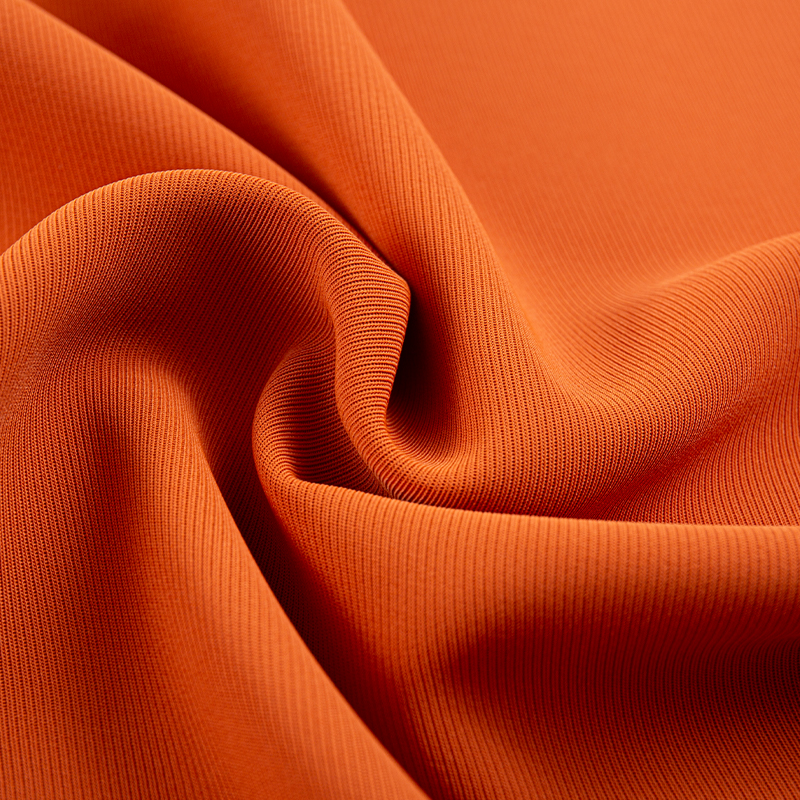
No. Unlike fabrics treated with chemical finishes, SPH Fabric moisture wicking is a result of the fiber's physical shape and crimp, meaning the performance is permanent and will last the lifetime of the garment.
SPH Fabric offers better breathability and a natural "dry-touch" feel. Its ability to stretch and recover without spandex allows for a more open weave structure, enhancing airflow and cooling.
SPH Fabric dries approximately 3 to 4 times faster than cotton. While cotton absorbs moisture into the fiber core, SPH moves moisture along the fiber surface, allowing for rapid evaporation.
Yes, many modern SPH fibers are being developed using recycled PET components, maintaining the same technical specifications of SPH fabric while reducing environmental impact.
Yes, SPH has excellent dye affinity. Because it is a composite of different polyester types, it can achieve deep, vibrant colors with high color fastness, which is essential for the high quality SPH fabric for summer clothing market.

Phone: +86 18806251599
TEL: +86 0512 63062555

Address: No. 1788, Yuanqu Road, Shengze Town, Wujiang District, Suzhou City, Jiangsu Province, China