 English
 中文简体
中文简体
Home / Products / Lyocell Fabric / HY587 230GSM Imitation acetate Lelis Dark Purple mesh fabric for women's clothing and sportswear
Custom HY587 230GSM Imitation acetate Lelis Dark Purple mesh fabric for women's clothing and sportswear
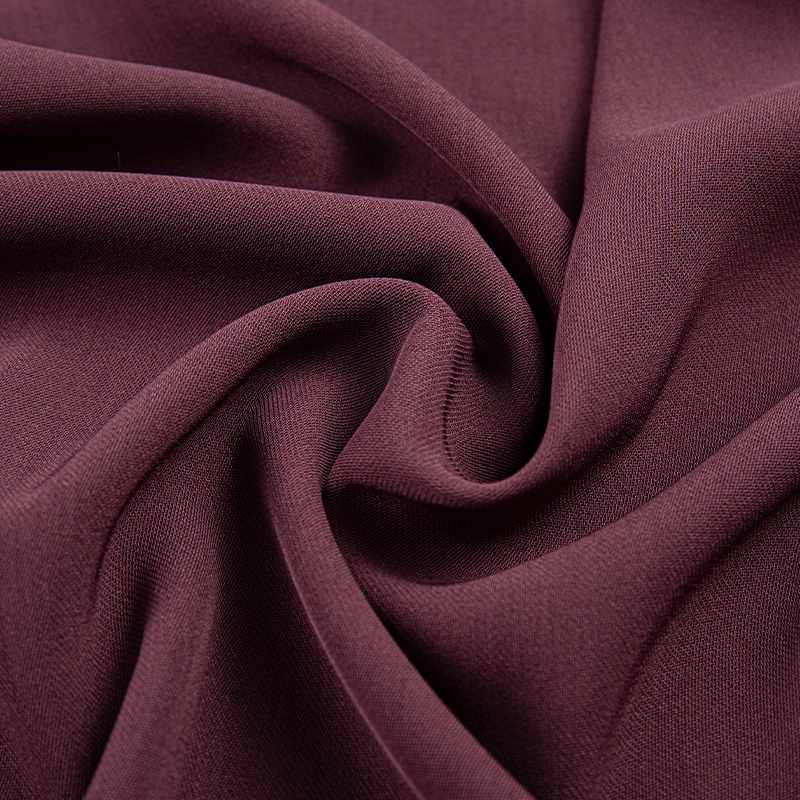
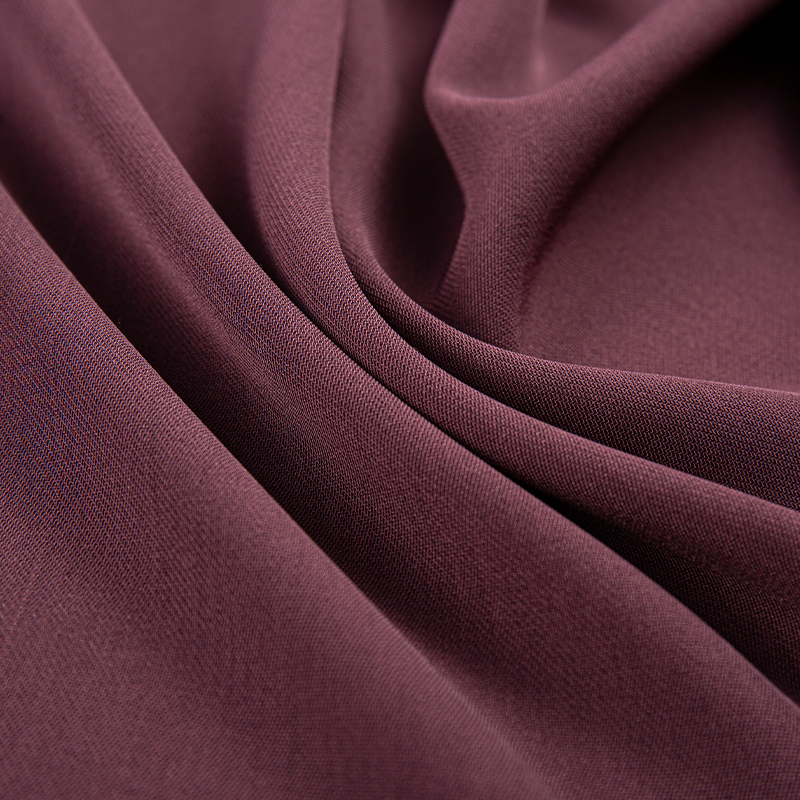
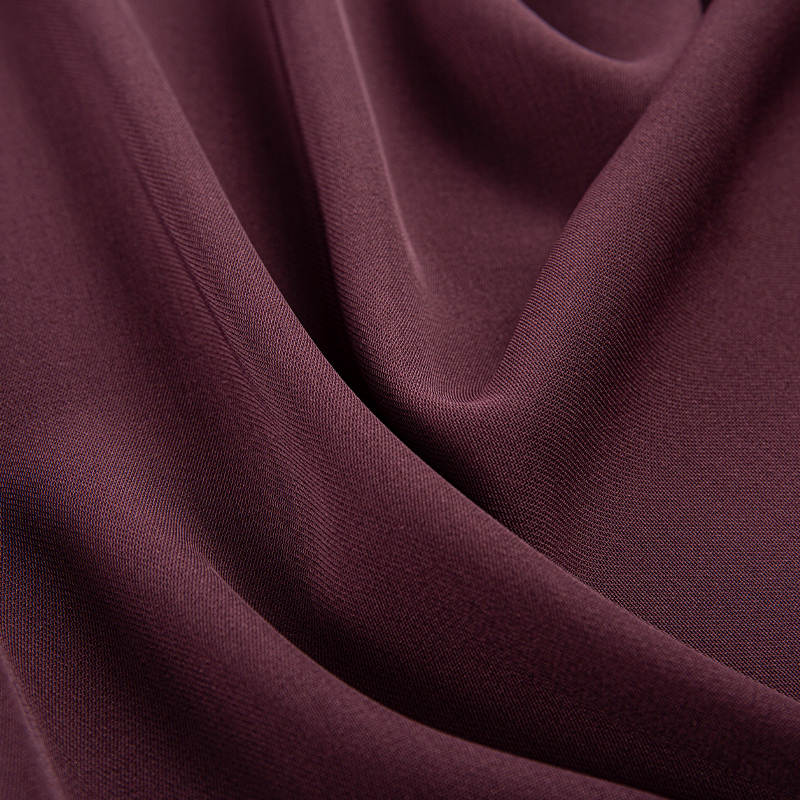
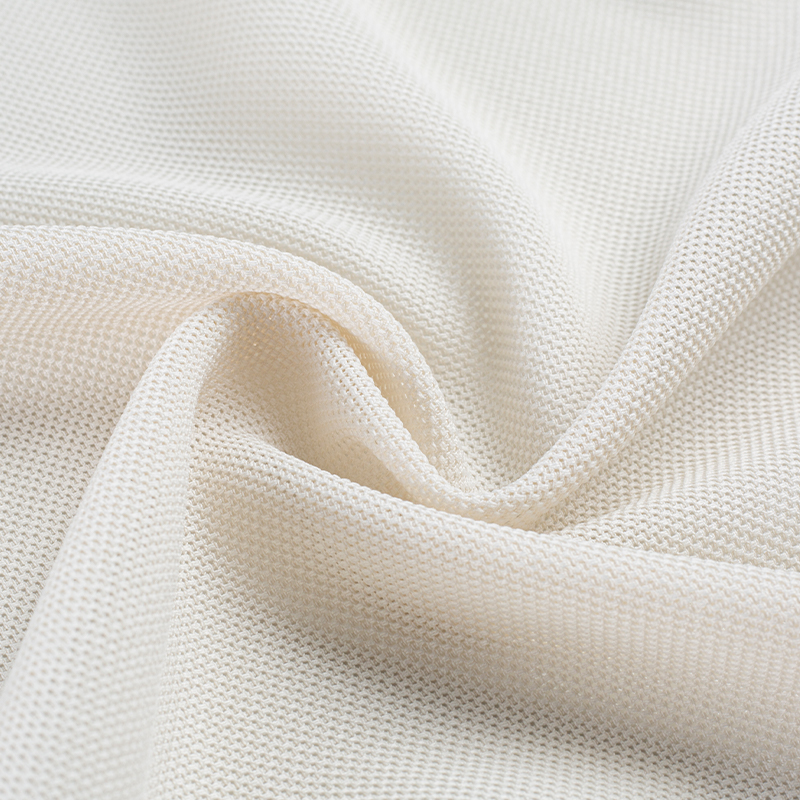
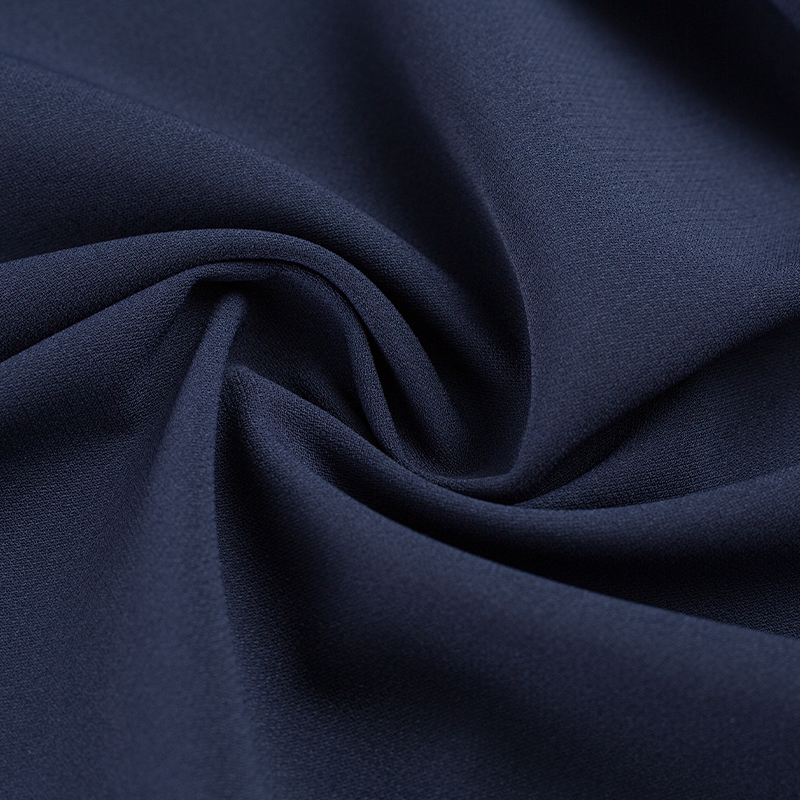
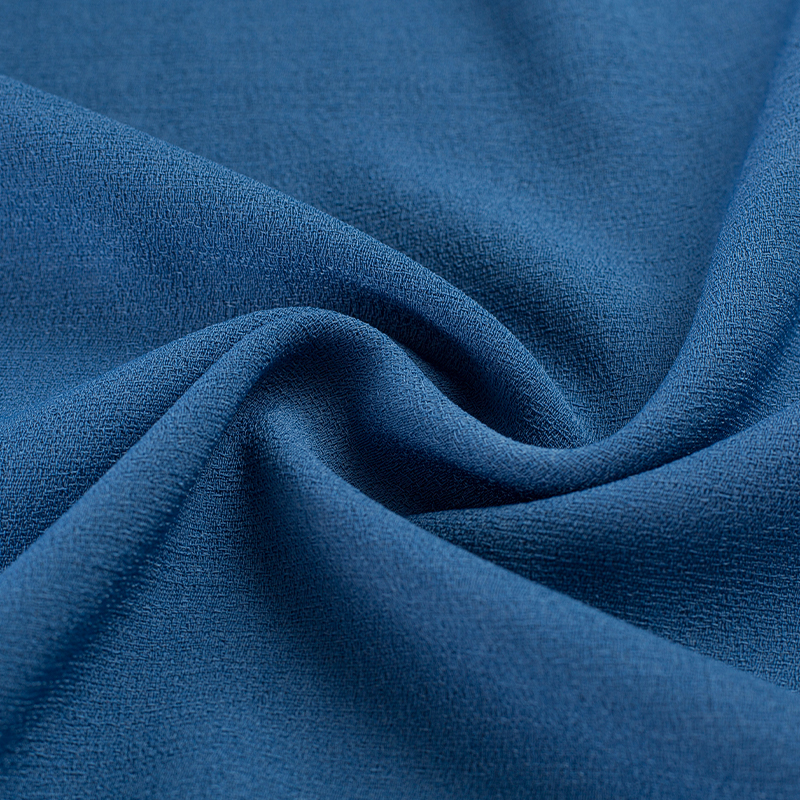
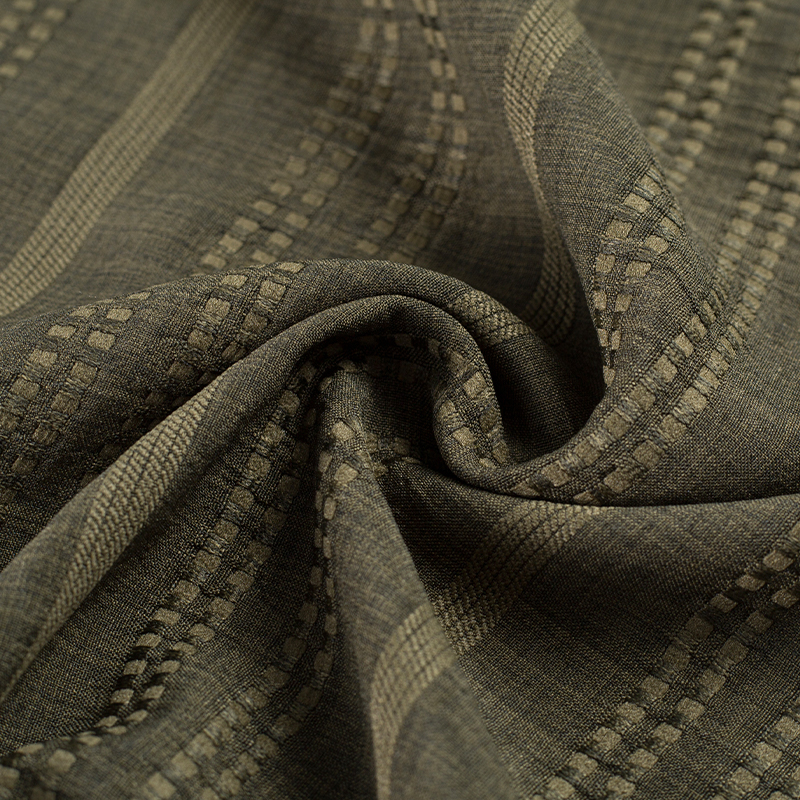
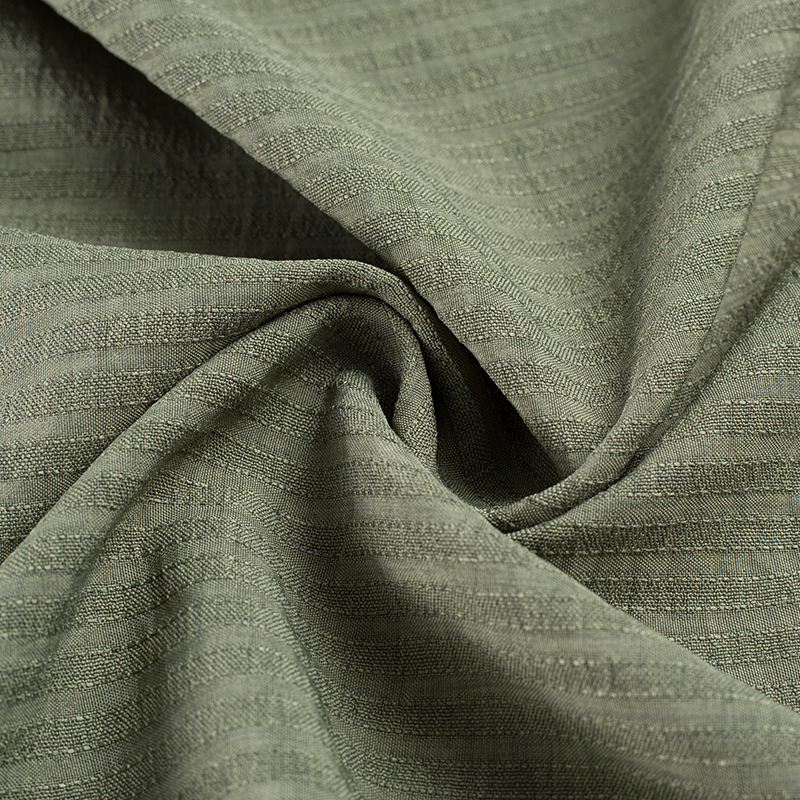
Imitation acetate Lyocell reticulated fabric is an innovative composite fabric. It is blended with imitation acetate fiber (modified polyester/regenerated cellulose) and Lyocell, and combined with reticulated weaving technology to create a high-performance fabric with the luster of acetate satin, the skin-friendly breathability of Lyocell and the three-dimensional mesh texture. It is suitable for light luxury women's clothing, environmentally friendly sportswear, sustainable home furnishings and other fields. It not only meets consumers' demand for high-end texture, but also responds to the demand for sustainable development with renewable ingredients. It is a benchmark for future eco-fashion and high-performance textiles.
| Category | Details |
| Company Name | Hongyuan Textile Industry |
| Number | HY587 |
| Item Name | Imitation Acetate Leli Mesh Pattern |
| Specification | (75D Imitation Acetate + 40SP) + 170D Leli Silk*Same Warp |
| Gram Weight | 230GSM |
| Density | 80*40 |
| Composition | 95%P; 5%SP |
| Address | No.7, Floor 112, Premium Product Zone, Shengze Town, Suzhou City |
| Factory | No.1788, Yuanqu Road, Shengze Town, Wujiang District, Suzhou City |
| Telephone | 0512 - 63062555; 0512 - 63062111 |
| Note | Data for reference only |
Sustainability used to mean sacrificing hand feel. That trade-off is disappearing fast, and Lyocell fabric is a large part of why. Spun from regenerated cellulose through a resource-efficient production process, it deli...
READ MOREChoosing a fabric for apparel is rarely just about look and feel anymore; sourcing and sustainability now weigh just as heavily on the decision. Lyocell twill fabric has become a favorite for designers and brands who wa...
READ MORESatin silk cloth fabric is one of the most sought-after materials in fashion and luxury textile production, prized for its glossy surface, fluid drape, and refined hand feel. For fashion brands, apparel manufacturers, a...
READ MOREWhen performance apparel needs to move with the body rather than against it, fabric choice is everything. 4 way stretch spandex fabric has become the industry benchmark for activewear, athleisure, and technical garments...
READ MOREThe hy587 imitation acetate lelis mesh fabric for women's clothing and sportswear represents a significant innovation in textile development, blending aesthetic appeal with functional performance. This fabric is engineered to offer the luxurious sheen and drape reminiscent of acetate satin, combined with the moisture-wicking and skin-friendly properties of advanced cellulosic fibers, all structured within a durable mesh network. However, the sophisticated blend of materials—primarily a complex polyester imitation acetate and spandex—demands a nuanced approach to garment care. Proper maintenance is not merely about cleanliness; it is fundamental to preserving the fabric's structural integrity, vibrant color, distinctive texture, and overall performance over the garment's lifespan.
To properly care for a garment, one must first understand its construction. The hy587 imitation acetate lelis mesh fabric for women's clothing and sportswear is a technical achievement. As per its specification, it has a composition of 95% P (Polyester) and 5% SP (Spandex), with a gram weight of 230GSM. The "imitation acetate" component is a modified polyester designed to mimic the luxurious hand-feel and luster of real acetate but with improved durability and wash-fastness. The "Lelis" component contributes to the fabric's softness and breathability. The mesh structure, created by specific weaving techniques, provides ventilation and a unique three-dimensional texture, making it highly sought after for breathable sportswear and lightweight luxury apparel.
This combination results in a fabric that is generally robust but has specific vulnerabilities. The spandex content provides essential elasticity for comfort and fit but is sensitive to high heat, which can cause it to degrade and lose its stretch. The mesh pattern, while functional, can be susceptible to snagging. The surface luster, a key selling point, can be diminished by harsh chemicals and abrasive washing. Therefore, care instructions are designed to protect these specific characteristics. Manufacturers with extensive production capabilities, such as those with standardized plants covering 60,000 square meters and advanced loom technology, invest significantly in testing to establish these care protocols, ensuring the product meets performance expectations from the point of sale onward.
While this article offers a detailed explanation, the care label attached to the garment is the most authoritative source of information. It is tailored to the specific dyeing and finishing processes used on that particular batch of fabric. The following table provides a typical care symbol guide and their meanings for this fabric.
| Care Symbol | Meaning | Rationale for HY587 Fabric |
|---|---|---|
| Machine Wash (Gentle Cycle) | Wash at or below 30°C (86°F) using a slow agitation setting. | Protects the mesh structure from distortion and prevents excessive friction that can damage the surface finish. |
| Use a Mild Detergent | Avoid detergents with bleach, enzymes, or optical brighteners. | Harsh chemicals can degrade the fibers, dull the luster, and cause colors to fade. Mild detergents are gentler on the fabric's composition. |
| Do Not Bleach | Do not use chlorine or oxygen-based bleaches. | Bleach can cause irreversible yellowing of the imitation acetate fibers and weaken the spandex, leading to premature fabric failure. |
| Tumble Dry Low | Dry on a low heat setting or avoid machine drying altogether. | High heat is the primary enemy of spandex. Excessive heat will break down the elastic fibers, causing the garment to lose its shape and fit. |
| Cool Iron | If ironing is necessary, use a low heat setting (synthetic). | High heat can melt or glaze the polyester fibers, permanently damaging the fabric's texture and appearance. |
| Do Not Dry Clean | Avoid perc- or hydrocarbon-based solvent cleaning. | The chemical solvents used in traditional dry cleaning can be too aggressive for the fabric's finish and are generally not required for this type of synthetic blend. |
The washing stage is where the most potential damage can occur. Adhering to the following best practices will significantly extend the life of garments made from hy587 imitation acetate lelis mesh fabric for women's clothing and sportswear.
Sorting and Preparation: Always wash darks and lights separately to prevent color transfer. Before washing, fasten all zippers, hooks, and buttons. Turn the garment inside out. This simple step is highly effective as it minimizes the surface area of the right side of the fabric exposed to friction and abrasion against the drum of the washing machine or other garments. This is crucial for preserving the delicate luster and preventing "pilling" or fuzzing on the surface. It also helps protect the raised mesh pattern from snagging.
Choice of Detergent and Temperature: Selecting a mild, neutral-pH liquid detergent is paramount. Powdered detergents can sometimes leave residues on synthetic fibers, which can dull their appearance. Avoid detergents containing bleach or fabric softeners. Bleach, as noted, damages fibers, while fabric softeners can coat the fibers, clogging the breathable mesh structure and reducing its moisture-wicking properties—a key feature for high-performance activewear. Washing in cold or lukewarm water, not exceeding 30°C (86°F), is essential. Hot water can set stains instead of removing them and can relax the spandex fibers, leading to gradual garment deformation.
Machine Settings and Load Management: Use the washing machine's gentle or delicate cycle. This cycle uses a slower agitation speed and a gentler spinning action, which is less stressful on the fabric's construction. Avoid overloading the machine. A crowded drum restricts the movement of garments, leading to inadequate cleaning and increased wrinkling. Conversely, a very small load can cause garments to be subjected to too much agitation. A balanced load ensures the garment is cleaned effectively without undue strain.
How a garment is dried is equally as important as how it is washed. Improper drying is a common cause of shrinkage, loss of shape, and heat damage.
The Ideal: Air Drying: The safest method for drying hy587 imitation acetate lelis mesh fabric for women's clothing and sportswear is air drying. After the wash cycle, remove the garment promptly to prevent creasing and mildew. Gently reshape the garment to its original dimensions while it is still damp. Lay it flat on a clean, dry towel or a mesh drying rack away from direct sunlight. Hanging a heavy, wet garment on a hanger can cause it to stretch under its own weight, particularly at the shoulders. Laying it flat preserves its precise shape. Avoiding direct sunlight is critical, as prolonged exposure to UV rays can cause gradual color fading over time.
If Using a Tumble Dryer: If machine drying is necessary, it must be done with caution. Always select the lowest heat setting or the "air fluff" (no heat) setting. The high heat of a regular dryer cycle is detrimental to the spandex content and can also cause the polyester fibers to shrink or become brittle. To reduce drying time and minimize wrinkles, you can first roll the garment in a dry towel to absorb excess moisture before placing it in the dryer. Remove the garment from the dryer while it is still slightly damp. This not only saves energy but also makes ironing easier, if required, and prevents over-drying, which can set in wrinkles.
Ironing: Garments made from this fabric generally resist wrinkling due to the inherent properties of polyester. If ironing is needed to achieve a crisp look, always use a low heat setting suitable for synthetic fabrics. It is highly advisable to place a pressing cloth, such as a thin cotton towel or muslin, between the iron and the garment. This creates a barrier that prevents the iron from directly contacting the fabric, thereby avoiding any risk of scorching or creating an unwanted shine (glazing) on the fiber surface. Never use a steam iron directly on the fabric without a pressing cloth, as the intense steam can potentially spot or mark the synthetic fibers.
Storage: Proper storage ensures the garment remains in pristine condition when not in use. Store in a cool, dry place. It is best to fold the garment neatly and place it in a drawer or on a shelf. If you prefer to hang it, use a padded hanger to support the shape and prevent creating sharp points at the shoulders. Avoid storing garments in plastic bags for extended periods, as this can trap moisture and lead to mildew or musty odors. Instead, use breathable garment bags or cotton storage boxes. Ensuring the garment is completely clean before storage is essential, as residual stains or body oils can attract insects and become more difficult to remove over time.
Even with the best care, issues may occasionally arise. Here's how to address them without causing further damage.

Phone: +86 18806251599
TEL: +86 0512 63062555

Email: [email protected]

Address: No. 1788, Yuanqu Road, Shengze Town, Wujiang District, Suzhou City, Jiangsu Province, China