 English
 中文简体
中文简体
Industry News
Content
- 1 Understanding Silk Satin Fabric Content and Weave Architecture
- 2 Testing Real Silk vs. Synthetic Satin Fabric Clothing
- 3 Technical Fabric Performance and Structural Metrics
- 4 Design Principles for Silk Satin Clothes and Patterns
- 5 Laundering and Friction Protection Standards
- 6 Garment Quality Control Inspection Steps
Textile Composition Verdict
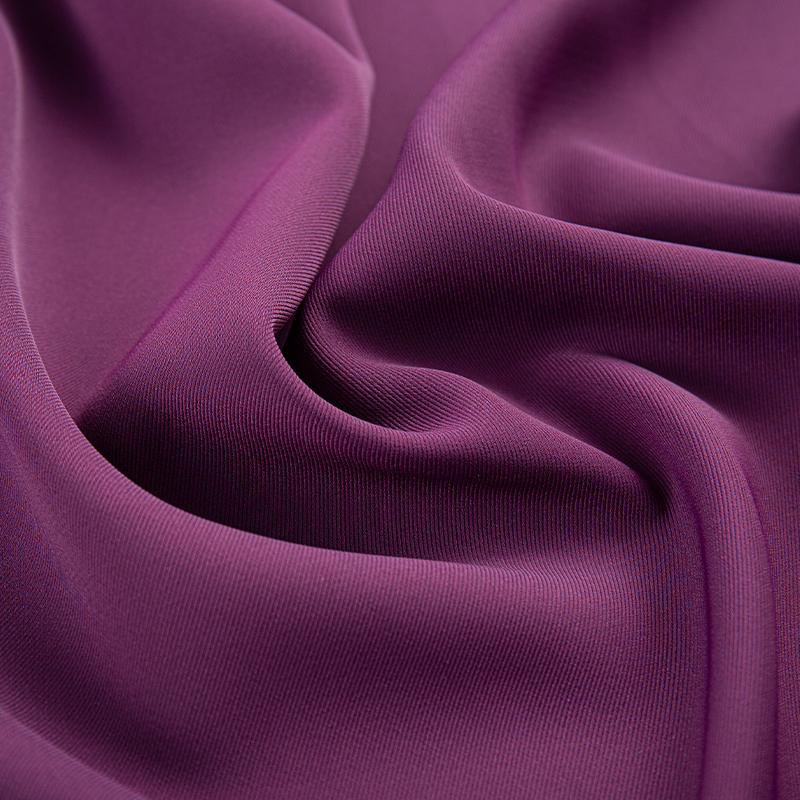
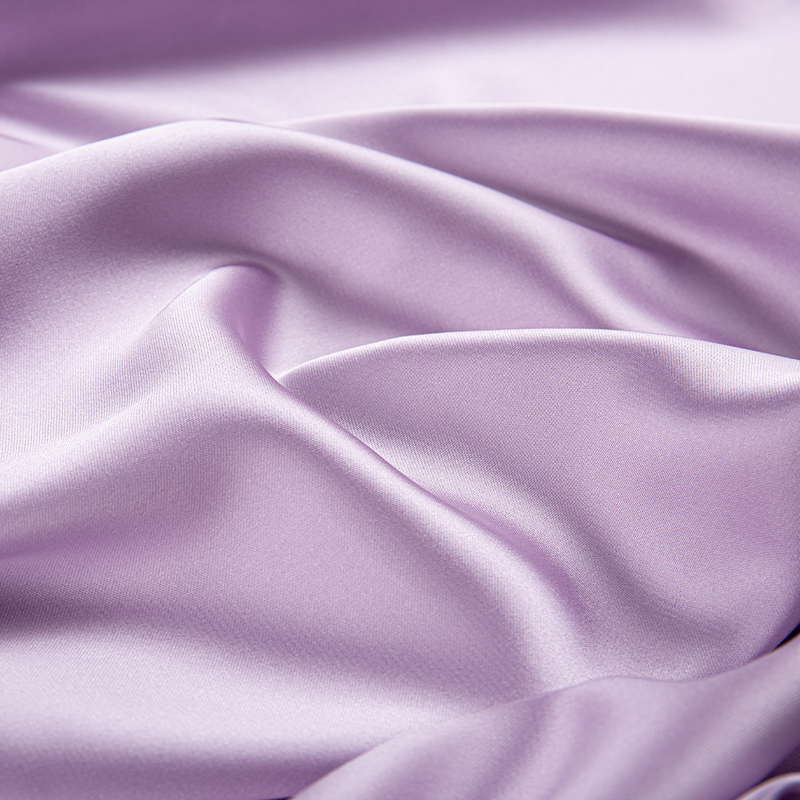
Satin is not a raw fiber, but a specific textile weave structure characterized by floating warp threads that create a highly reflective, glossy face and a dull back. When purchasing premium satin fabric clothing, the material can be woven from entirely different base fibers. True silk c satin represents a luxury natural textile woven from pure mulberry silk filaments, whereas commercial satin fabric clothing is frequently constructed from synthetic polyester or nylon filaments. Verifying the exact silk satin fabric content is critical, as natural silk offers superior thermal breathability and hypoallergenic properties compared to synthetic alternatives.
Understanding Silk Satin Fabric Content and Weave Architecture
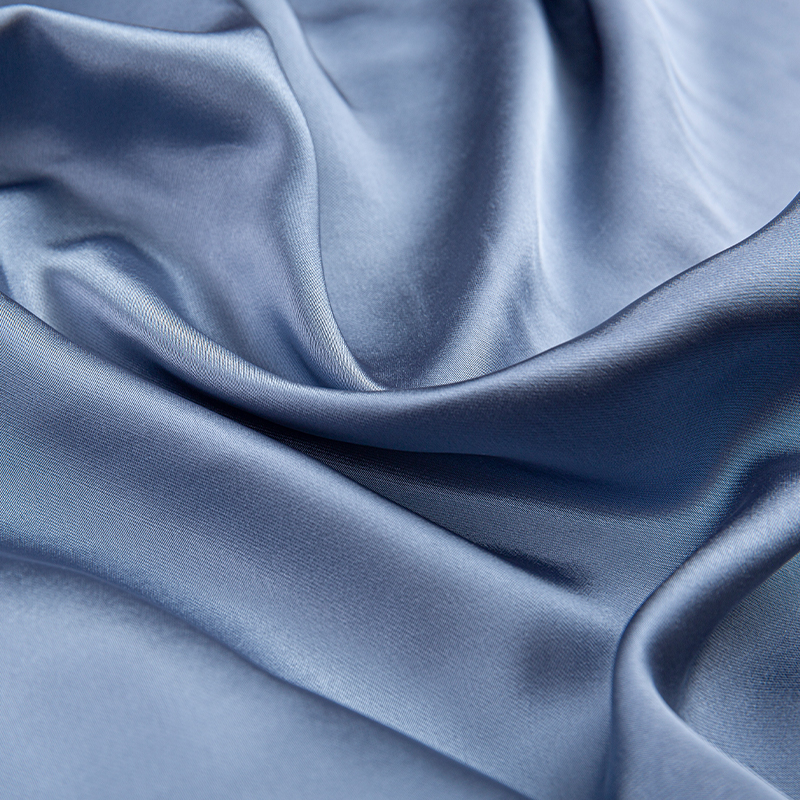
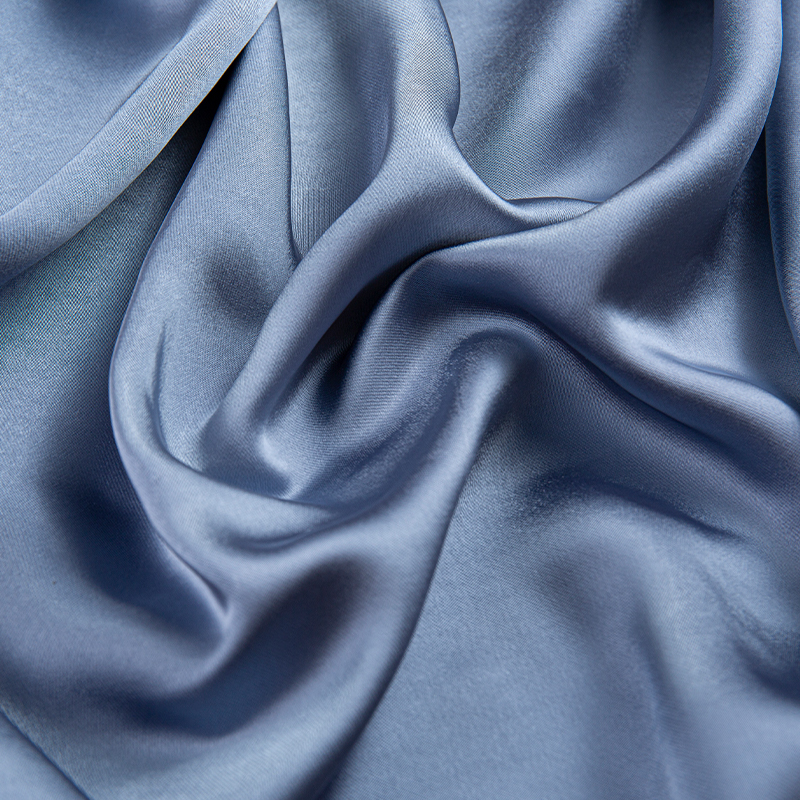
To understand premium satin silk cloth fabric, one must look at the underlying weaving mechanics. The classic satin weave uses a technical floating pattern where four or more warp yarns float over a single weft yarn (a 4/1 harness satin), or seven warp yarns float over a single weft yarn (an 8/1 harness satin). This minimization of structural yarn intersections yields an uninterrupted, smooth surface area that maximizes specular light reflection, producing its signature liquid shimmer.
16-22
Momme Weight Range for Premium Clothing
4 Over 1
Minimum Warp Thread Float Configuration
100%
Mulberry Silk Base Filament Purity Grade
When checking fiber labeling, standard synthetic satin is composed of 100% polyester filaments, which can trap body heat and easily harbor static electricity. Pure silk-faced satin blends, however, feature a real silk warp on the face for skin comfort, sometimes backed by a rayon or cotton weft to add structural weight and lower production costs. Genuine luxury apparel requires a pure 100% mulberry silk content label, measured by momme weight (the weight of a fabric piece sizing 100 yards by 45 inches). For durable garments like slips and blouses, a momme weight between 16 and 19 is standard, while heavy gowns require a premium 22 momme rating.
Testing Real Silk vs. Synthetic Satin Fabric Clothing
Because synthetic polyester satin can look remarkably similar to real silk satin online, textile professionals rely on specific physical testing metrics to verify true silk content before manufacturing clothing lines.
The most reliable field test is the burn test, which evaluates how the fibers react to an open flame. Real silk is a natural protein fiber. When exposed to heat, it burns slowly, curls away from the flame, and produces a distinct smell similar to burning human hair. The residue left behind is a brittle, dark ash that easily crushes into powder between your fingers.
In contrast, synthetic polyester satin is derived from petrochemical polymers. When ignited, it melts rapidly, drops black smoke, smells strongly of chemicals, and hardens into an indestructible, shiny plastic bead that cannot be crushed.
Technical Fabric Performance and Structural Metrics
Selecting the appropriate textile content alters the lifespan, drape, and comfort of the final garment. The table below outlines the core properties of various satin compositions:
| Fabric Composition | Breathability Index | Tensile Elongation Strength | Drape and Crease Dynamics |
|---|---|---|---|
| 100% Mulberry Silk Satin | Excellent (High natural moisture regain) | High longitudinal elasticity | Fluid, liquid drape; highly prone to creasing |
| Polyester Filament Satin | Poor (Traps moisture and heat) | Extreme abrasion resistance | Stiffer drape profile; completely wrinkle-resistant |
| Stretch Silk Satin (95/5 Blend) | Good (Retains protein fiber comfort) | Moderate; added cross-weave give | Conforming drape; ideal for fitted dresses |
| Acetate Satin Blend | Moderate (Semisynthetic wood pulp base) | Low; prone to wet-strength loss | Crisp drape profile; frequently used for suit linings |
Design Principles for Silk Satin Clothes and Patterns
Designing and cutting silk satin clothes requires specialized tailoring techniques due to the fabric's smooth surface and unique grain behavior.
Cutting on the Bias Grain
To create iconic slinky silhouettes in evening gowns and slip skirts, tailors cut silk satin patterns at a 45-degree angle across the warp and weft threads (on the bias). This alignment allows the weave to flex diagonally, providing a natural stretch that clings elegantly to body curves without the stiffness of structured seams.
Managing Fabric Snagging Risk
Because the long floating surface threads in a satin weave are exposed, they are highly vulnerable to catching on rough surfaces or dull tools. Industrial garment production requires brand new, ultra-fine size 60/8 Microtex needles and smooth cutting tables to prevent pulling threads and ruining entire fabric panels.
Laundering and Friction Protection Standards
The longevity of satin garments depends heavily on how they are maintained. Real silk protein structures weaken when wet and can be permanently degraded by heat or harsh chemical detergents.
When cleaning pure silk satin garments, dry cleaning is recommended to preserve the original fiber luster and surface finish. If hand-washing at home, the water temperature must be kept under 86 degrees Fahrenheit (30 degrees Celsius) using a pH-neutral liquid detergent specifically formulated for silk. Standard alkaline laundry detergents break down the natural protein chains, turning the soft fabric stiff, dull, and brittle over time.
Additionally, the fabric should never be wrung out or twisted to remove water; instead, press it flat between two clean towels and hang it to dry away from direct sunlight. Ironing must be performed on the reverse, non-glossy side of the fabric using the lowest silk temperature setting, with a protective cloth barrier to avoid scorching or melting the fibers.
Garment Quality Control Inspection Steps
Before final packaging and shipment, ensure your premium satin garments meet these rigorous quality control parameters:
Examine all structural seams for signs of seam slippage. Because satin weaves use smooth, parallel yarns, under-stitched seams can pull apart under tension, leaving small gaps along stress areas like hips and armpits.
Inspect the floating surface under high-intensity LED light panels to ensure there are no irregular slubs, running snags, or broken filament clusters across the face of the fabric.
Verify that all interior tags are securely fastened and explicitly list the correct blend composition percentages, along with detailed dry-cleaning or gentle wash instructions.
Check the finish of all internal seam edges. Due to the high risk of fraying inherent to open satin weaves, all edges must be enclosed in French seams or tightly serged with fine multi-thread overlock stitching.