 English
 中文简体
中文简体
Home / News / Industry News / Why is Rayon Lyocell Fabric Considered the Best Choice for Summer Clothing and Cooling Bed Sheets?
Industry News
Content
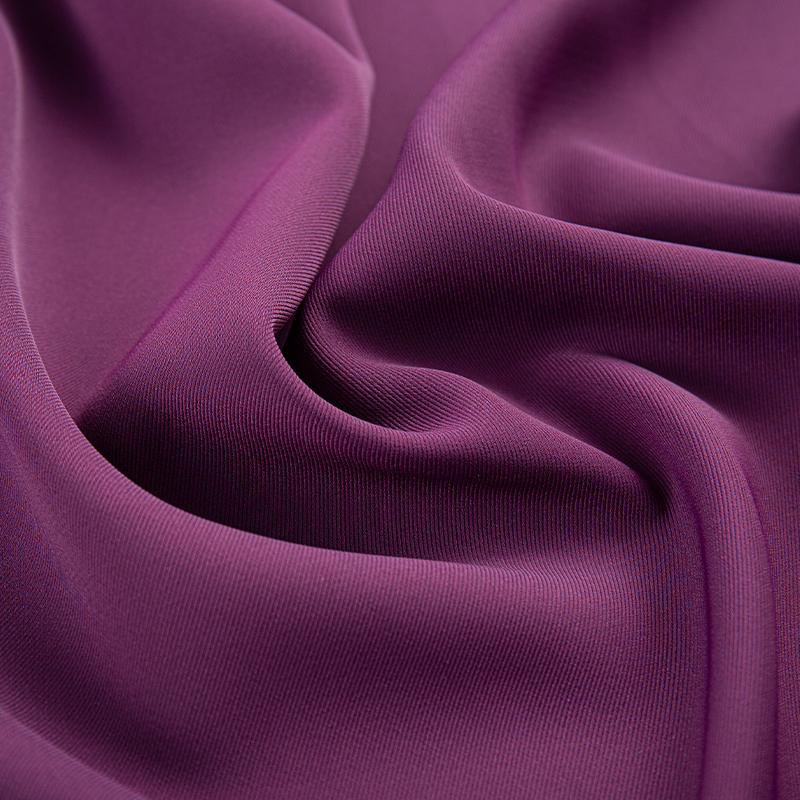
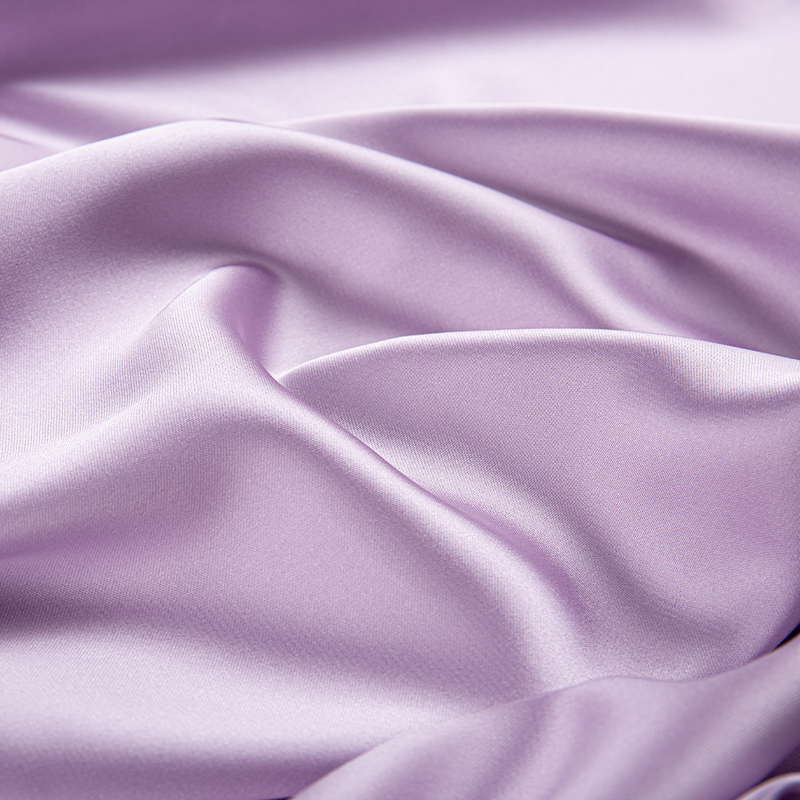
In the evolving landscape of high-performance textiles, the demand for materials that balance environmental ethics with superior thermal regulation has never been higher. Rayon lyocell fabric, a third-generation cellulosic fiber, has emerged as the definitive solution for high-temperature comfort. WuJiang City Hongyuan Textile Co., Ltd., founded in the 1990s and located in the "Silk Capital" of Shengze, has spent over 30 years mastering the intricacies of such advanced materials. With our 60,000-square-meter standardized plant and 500 high-precision water jet looms, we combine traditional craftsmanship with modern engineering to deliver rayon lyocell fabric that sets the benchmark for summer apparel and luxury bedding.
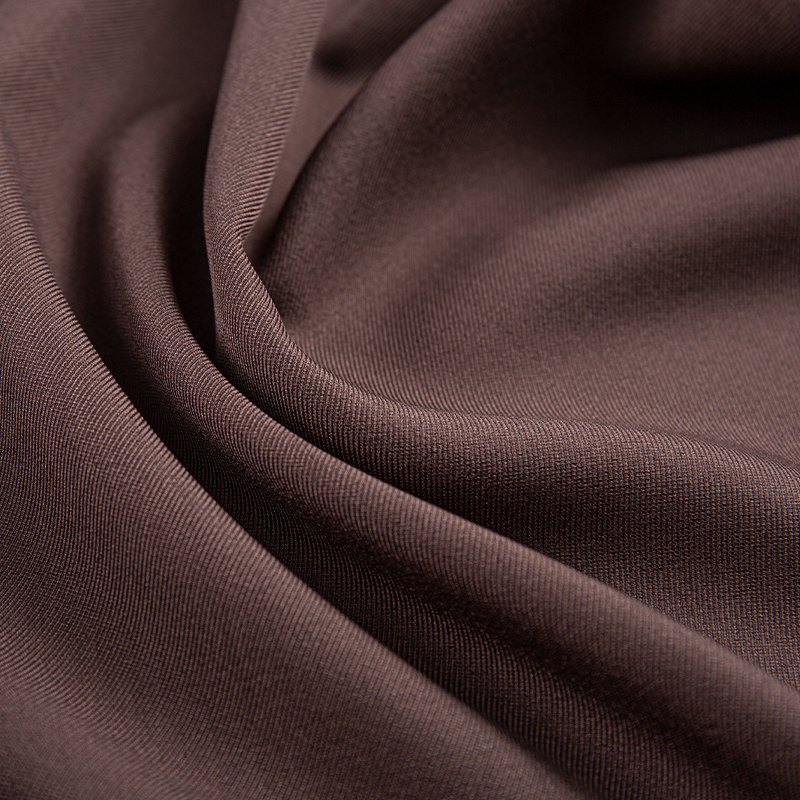
The primary reason rayon lyocell fabric excels in heat is its exceptional moisture absorption capacity. From a technical perspective, the sub-microscopic channels (fibrils) between the cellulose molecules are highly hydrophilic. A common engineering question is: how does lyocell wick moisture away from skin? Unlike synthetic fibers that repel water, lyocell absorbs moisture into the fiber's internal structure, releasing it into the atmosphere to create a natural evaporative cooling effect. This makes it a superior cooling properties of lyocell application for both activewear and cooling bed sheets.
While cotton is known for absorbency, rayon lyocell fabric absorbs up to 50% more moisture by weight, ensuring the skin remains dry even in high-humidity environments.
| Technical Property | Rayon Lyocell Fabric | Standard Organic Cotton |
| Moisture Absorption | Superior (Highly hydrophilic fibrils) | Moderate (Surface-level absorption) |
| Evaporative Cooling Rate | High (Rapid moisture release) | Moderate (Can feel damp) |
| Bacterial Growth Inhibition | High (No surface moisture for bacteria) | Low (Traps moisture on surface) |
When analyzing lyocell vs cotton for summer clothing, the difference lies in fiber morphology. Lyocell fibers are exceptionally smooth and round, which translates to a low coefficient of friction against the skin. For summer garments, this prevents "fabric cling" and irritation. Furthermore, the high crystalline structure of rayon lyocell fabric provides excellent dimensional stability, ensuring that lightweight summer shirts and dresses maintain their silhouette after multiple washes. At Hongyuan Textile, our advanced warp drawing and double twisting equipment ensure that the yarn tension is optimized for maximum airflow through the weave.
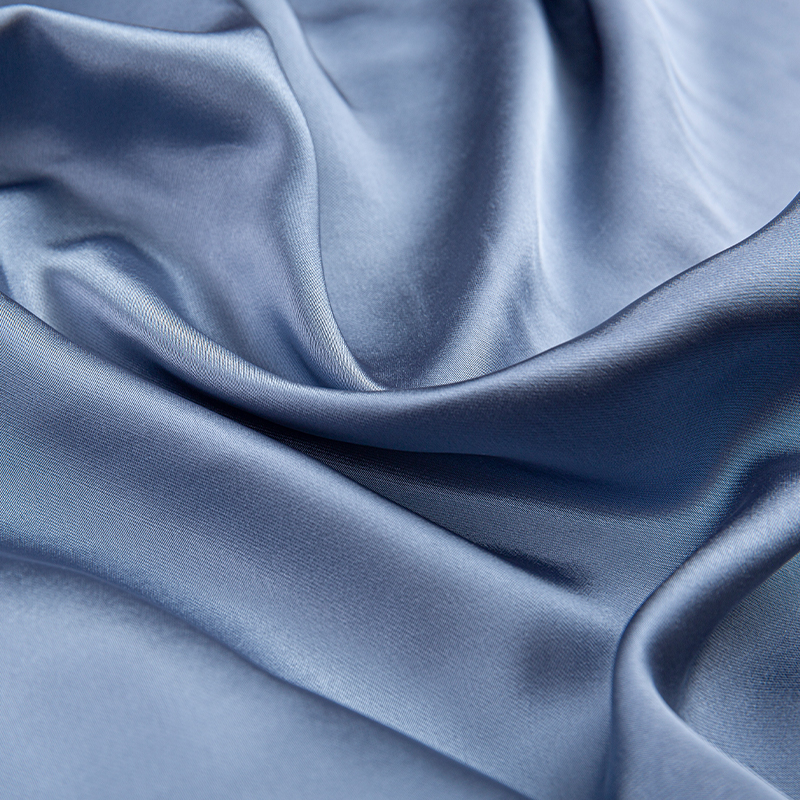
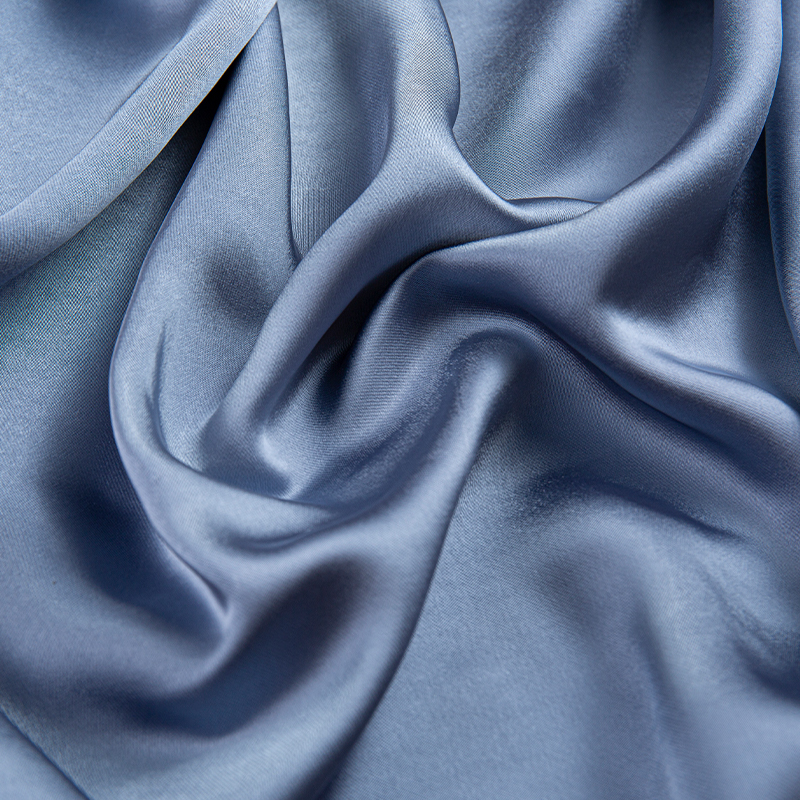
Compared to cotton, which can become heavy and coarse when wet, lyocell maintains a silky, "cool-to-the-touch" hand feel that is often compared to high-grade silk but with industrial-level durability.
| Comfort Metric | Rayon Lyocell Performance | Combed Cotton Performance |
| Surface Smoothness | Uniformly Round (Silky feel) | Irregular (Can be abrasive) |
| Breathability (Air Permeability) | Superior (Managed by fiber density) | Good |
| Durability (Wet Strength) | High (Retains 85% of dry strength) | Variable |
Sleep science indicates that a drop in core body temperature is required for deep sleep. This leads many to ask: is lyocell fabric good for hot sleepers? The answer lies in the fiber's thermal conductivity. Rayon lyocell fabric does not trap heat as efficiently as polyester or heavy cotton; instead, it facilitates heat dissipation. WuJiang City Hongyuan Textile Co., Ltd. utilizes specialized water jet looms to create high-thread-count lyocell bedsheets that maximize this heat exchange, providing a consistent thermal environment throughout the night.
Engineers and environmentally conscious consumers often investigate: how is lyocell fabric sustainably made? Lyocell is produced via a "closed-loop" solvent spinning process which recovers over 99% of the solvent used. This eco-friendly profile makes rayon lyocell fabric the "green" choice for modern textile engineering. With our 100-acre standardized production base, Hongyuan Textile integrates this material innovation with large-scale efficiency, ensuring that high-performance clothing does not come at the cost of ecological health.
While traditional rayon production involves heavy chemical discharge, the lyocell process is remarkably clean, making rayon lyocell fabric the preferred sustainable alternative for global textile brands.
A frequent technical concern is: does rayon lyocell fabric shrink in wash? While early generations of rayon were prone to shrinkage, modern lyocell—especially when processed with Hongyuan's advanced front-end supporting facilities—exhibits significantly lower shrinkage rates. Proper care, such as cold washing and air drying, preserves the fiber's high tenacity and prevents pilling, ensuring that your summer wardrobe remains in peak condition for years.
Polyester is a synthetic plastic that traps heat and sweat against the skin. Rayon lyocell fabric is a breathable, plant-based material that actively wicks moisture away and facilitates airflow.
It is "man-made" from natural cellulose (usually eucalyptus wood pulp). It bridges the gap between natural comfort and synthetic performance through high-tech processing.
We use 500 high-speed water jet looms and a complete set of supporting facilities, including 400 double-twisting machines, to maintain high-precision yarn and fabric standards.
Yes. Due to its superior cooling properties of lyocell and rapid moisture release, it is widely considered the best material for individuals who experience thermal discomfort during sleep.
Lyocell has a natural resistance to wrinkles compared to cotton or linen. However, if needed, a low-heat steam iron easily restores its smooth, silk-like appearance.

Phone: +86 18806251599
TEL: +86 0512 63062555

Address: No. 1788, Yuanqu Road, Shengze Town, Wujiang District, Suzhou City, Jiangsu Province, China