 English
 中文简体
中文简体
Home / News / Industry News / Why is SPH Fabric Becoming the Preferred Choice for 2026 High-Performance Athleisure Collections?
Industry News
Content
As we move into the 2026 fashion cycle, the textile industry is witnessing a significant shift toward materials that balance extreme comfort with technical longevity. At the forefront of this evolution is SPH fabric. Unlike traditional stretch materials that rely heavily on polyurethane elastomers, SPH fabric utilizes a unique bi-component elastic fiber technology that offers "permanent stretch" without the rapid degradation typical of spandex. WuJiang City Hongyuan Textile Co., Ltd., located in the historic "Silk Capital" of Shengze, has spent over 30 years perfecting the engineering of such advanced textiles. Operating a 60,000-square-meter standardized plant with 500 high-speed water jet looms and specialized warp drawing equipment, we ensure that every meter of SPH fabric meets the rigorous durability and aesthetic standards required by modern global athleisure brands.
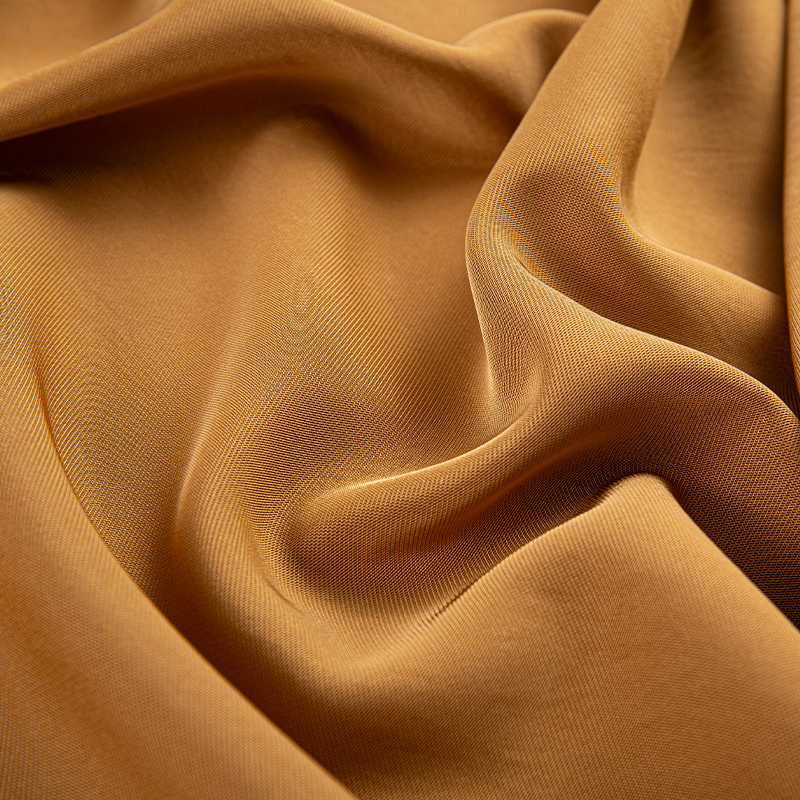
The primary reason for the rising popularity of SPH fabric lies in its molecular architecture. SPH is a type of composite elastic fiber that achieves high elasticity through the different shrinkage rates of two distinct polymer components within a single filament. When analyzing SPH fabric vs spandex, it is clear that SPH provides a more stable recovery force. While spandex is highly elastic, it is susceptible to "creep" (permanent deformation) and chemical breakdown from sweat and chlorine. In contrast, SPH fabric maintains its shape through a physical helical crimp, making it significantly more resilient over hundreds of wash cycles. This makes it an ideal high performance athleisure material for the 2026 market, where consumers demand sustainable, long-lasting gear.
While spandex offers higher initial elongation, SPH fabric provides superior recovery consistency and resistance to environmental stressors.
| Performance Metric | Conventional Spandex Blend | Advanced SPH Fabric |
| Elasticity Source | Chemical (Polyurethane) | Physical (Bi-component Helical Crimp) |
| Durability (Wash Cycles) | Moderate (Loses elasticity over time) | Excellent (Permanent stretch) |
| Chemical Resistance | Low (Sensitive to chlorine/UV) | High (Acid, alkali, and UV resistant) |
| Hand Feel | Often "rubbery" | Soft, dry, and cotton-like |
In high-intensity sports, thermal regulation is paramount. The unique cross-section of SPH fibers creates micro-channels that facilitate rapid capillary action. This is a key benefit of using SPH fabric for yoga pants and running gear, as it moves moisture away from the skin faster than traditional circular-knit polyester. Furthermore, the breathability of SPH fabric in activewear is enhanced by its textured surface, which prevents the fabric from "clinging" to the skin when wet. WuJiang City Hongyuan Textile Co., Ltd. leverages its 400 sets of double twisting equipment to refine the yarn density, ensuring the fabric remains lightweight while offering the opacity required for premium athleisure collections.
[Image: Microscopic view of SPH fiber cross-section showing capillary channels]
One of the most frequent technical inquiries we receive is regarding the SPH fabric texture and hand feel. Modern consumers are moving away from the shiny, synthetic look of the 2010s toward a matte, natural aesthetic. SPH fabric possesses a natural crimp that provides a dry, soft handle reminiscent of high-end cotton, but with the performance metrics of a synthetic. Because it does not contain latex-based elastic, it avoids the "graying" effect that occurs as spandex ages. This allows for vibrant, long-lasting color fastness, which is essential for the bold palettes predicted for 2026 athleisure trends.
SPH fabric bridges the gap between the comfort of natural fibers and the technical prowess of synthetics, outperforming standard polyester in both drape and touch.
| Aesthetic Metric | Standard Polyester (Drawn Textured Yarn) | SPH Fabric |
| Visual Luster | High/Synthetic Shine | Elegant Matte / Natural Look |
| Drape Coefficient | Rigid | Fluid and Soft |
| Skin Friction | Higher (Can cause chafing) | Low (Smooth, soft interface) |
As a leader in the Shengze textile hub, WuJiang City Hongyuan Textile emphasizes sustainable manufacturing. SPH fabric is often more environmentally friendly to produce than spandex blends because it is easier to recycle. Traditional spandex-polyester blends are notoriously difficult to separate during the recycling process. However, because SPH is 100% polyester-based (composed of two types of polyester), it can be integrated into existing polyester recycling streams. This alignement with circular economy goals is a major factor why SPH fabric is the preferred choice for eco-conscious 2026 collections.
The transition to SPH fabric represents an engineering solution to the long-standing problem of "stretch fatigue" in the apparel industry. By combining the soft hand-feel of cotton with the permanent elasticity of bi-component fibers, SPH offers a superior user experience. With our 30 years of industry expertise and a production capacity that generates over 500 million yuan in annual sales, WuJiang City Hongyuan Textile Co., Ltd. is proud to support the global move toward more durable, breathable, and sustainable high performance athleisure materials. For the 2026 season, SPH is not just a trend; it is the new standard.
Yes. While spandex provides more "power stretch," SPH fabric offers better "recovery stretch." SPH does not age or lose its elasticity like spandex, making the garment last much longer without bagging at the knees or elbows.
While the initial cost of SPH yarn can be higher than low-end spandex blends, the increased production efficiency (easier dyeing and fewer defects) and the longer garment lifespan provide better value for premium athleisure brands.
One benefit of using SPH fabric for yoga pants is its ease of care. It can be machine washed and dried at moderate temperatures. Unlike spandex, it is not damaged by fabric softeners or heat, though avoiding extreme heat will always extend the life of any technical textile.
SPH fabric provides "comfort compression." It offers a supportive fit that moves with the body without the restrictive feeling of high-spandex "shaper" garments, making it perfect for all-day athleisure wear.
Absolutely. The bi-component fibers create a bulkier yarn with more air space, which promotes better airflow and faster drying times compared to tightly packed standard polyester yarns.

Phone: +86 18806251599
TEL: +86 0512 63062555

Address: No. 1788, Yuanqu Road, Shengze Town, Wujiang District, Suzhou City, Jiangsu Province, China