 English
 中文简体
中文简体
Home / News / Industry News / What Makes Clothing Lyocell Fabric a Central Pillar for Sustainable Fashion Circularity in the 2025-2026 Luxury Market?
Industry News
Content
As the global textile industry pivots toward a regenerative model, clothing lyocell fabric has emerged as the definitive material for high-end fashion. In the 2025-2026 luxury market, designers are moving beyond mere "sustainability" toward true circularity—systems where materials are designed to be reclaimed and reused. WuJiang City Hongyuan Textile Co., Ltd., established in the 1990s in the "Silk Capital" of Shengze, has spent over 30 years refining the production of premium textiles. With 60,000 square meters of standardized plant space and 500 advanced water jet looms, we are uniquely positioned to provide the technical expertise required for clothing lyocell fabric. This article explores the engineering-level attributes that make this fiber a cornerstone of the modern eco-luxury movement.
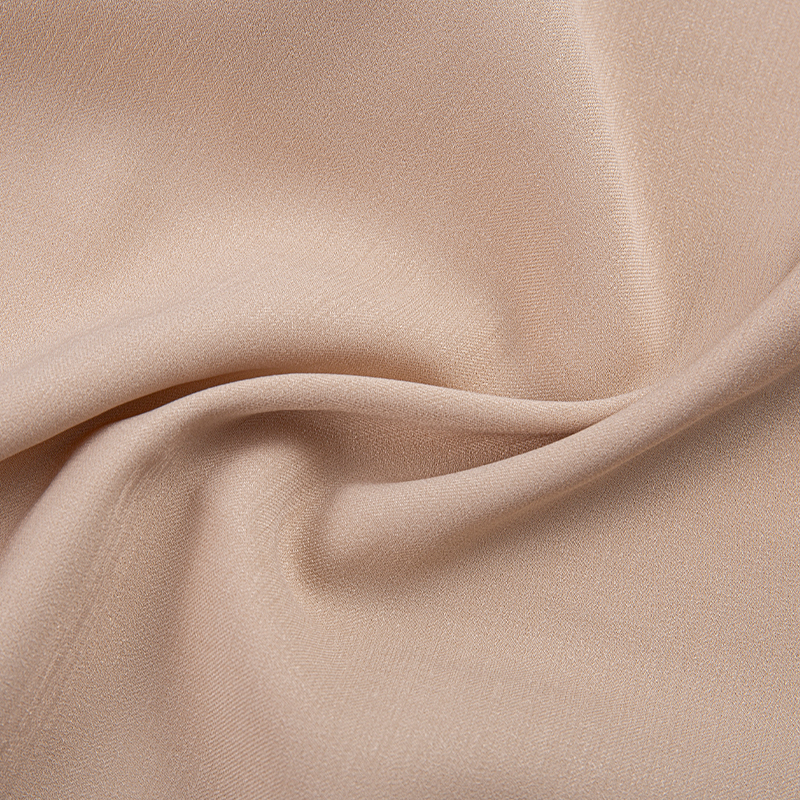
The defining characteristic of clothing lyocell fabric is its manufacturing process. Unlike traditional viscose, which utilizes harmful chemicals, lyocell is produced via a closed-loop solvent spinning system. This process recovers over 99% of the solvent used, typically N-methylmorpholine N-oxide (NMMO), and recycles it back into the production cycle. This high level of resource efficiency is one of the primary eco-friendly lyocell fabric benefits. While traditional synthetic fibers rely on petroleum-based polymers that contribute to microplastic pollution, clothing lyocell fabric is bio-based and biodegradable, ensuring that its end-of-life impact is minimal.
The environmental footprint of lyocell is significantly lower due to its streamlined chemical usage and superior water conservation compared to standard regenerated cellulose fibers.
| Impact Metric | Traditional Viscose | Clothing Lyocell Fabric |
| Solvent Recovery Rate | Low (Chemicals often discharged) | >99% (Closed-loop) |
| Water Usage | High (Intensive washing stages) | Low (Efficient solvent extraction) |
| Biodegradability | Variable (Due to finishes) | Fully Biodegradable (Soil & Marine) |
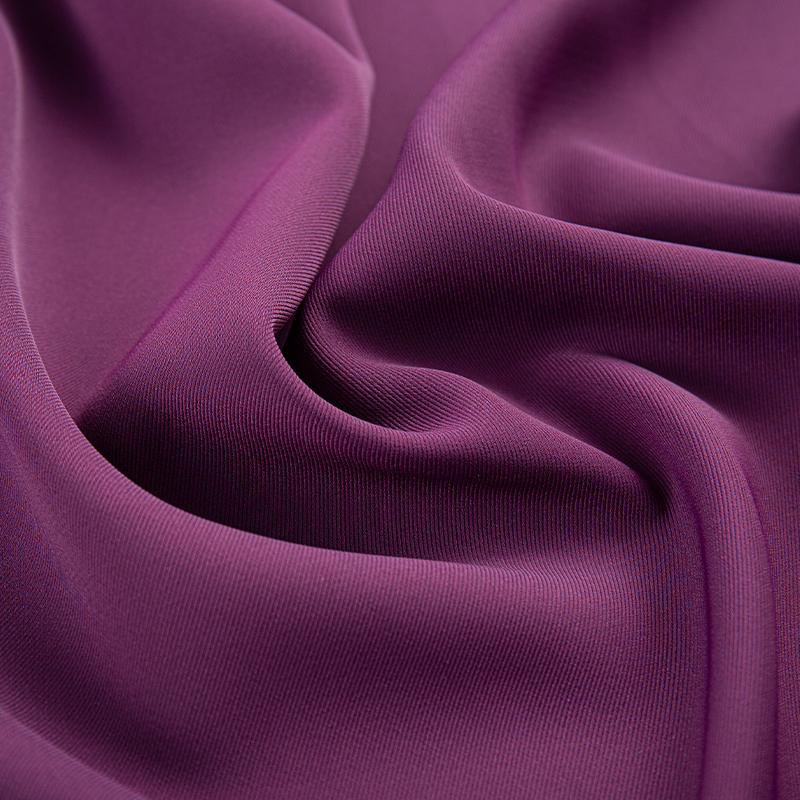
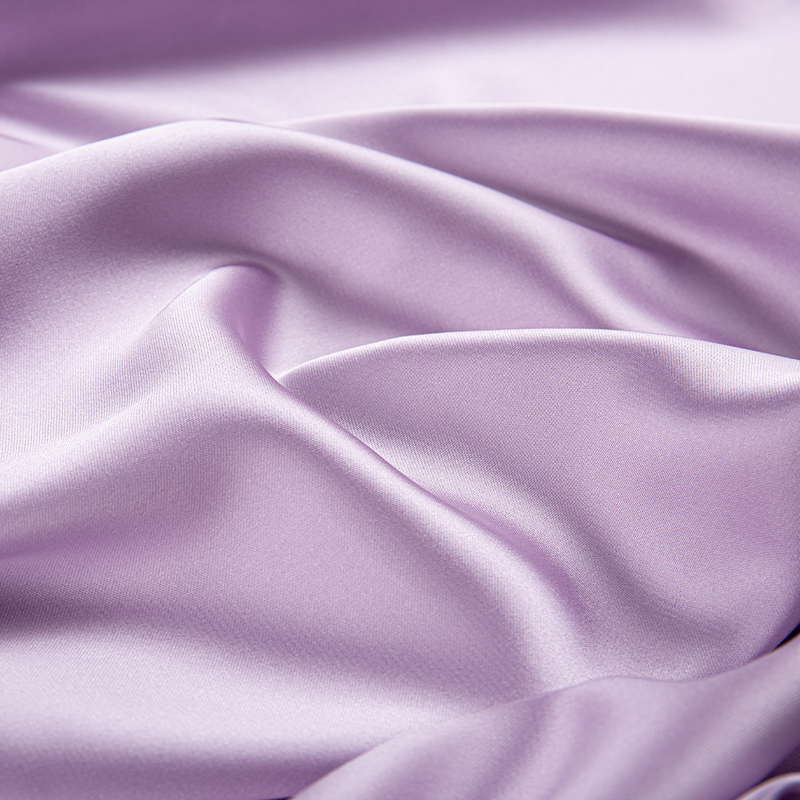
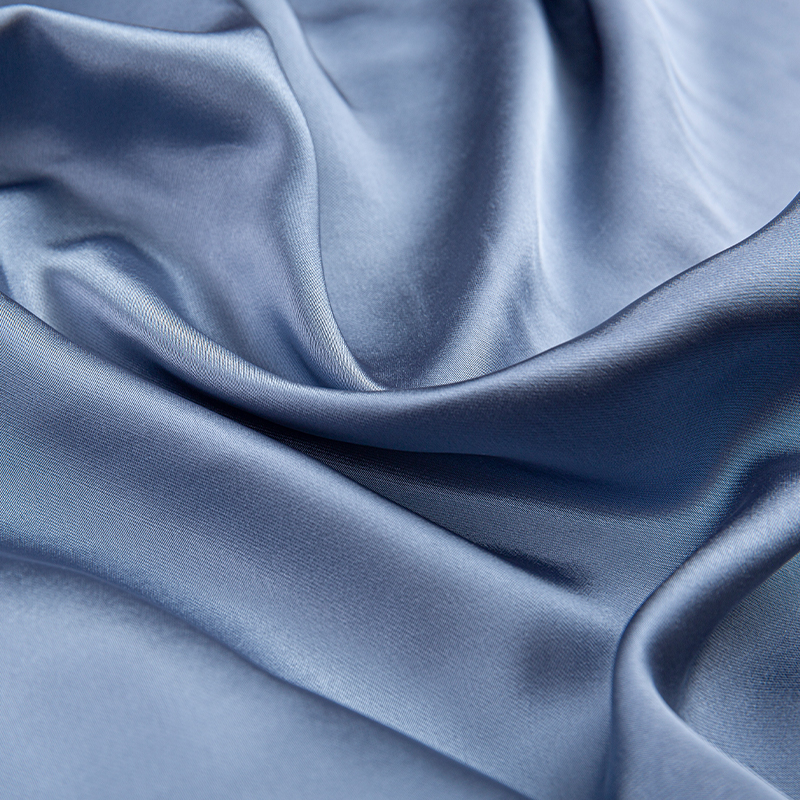
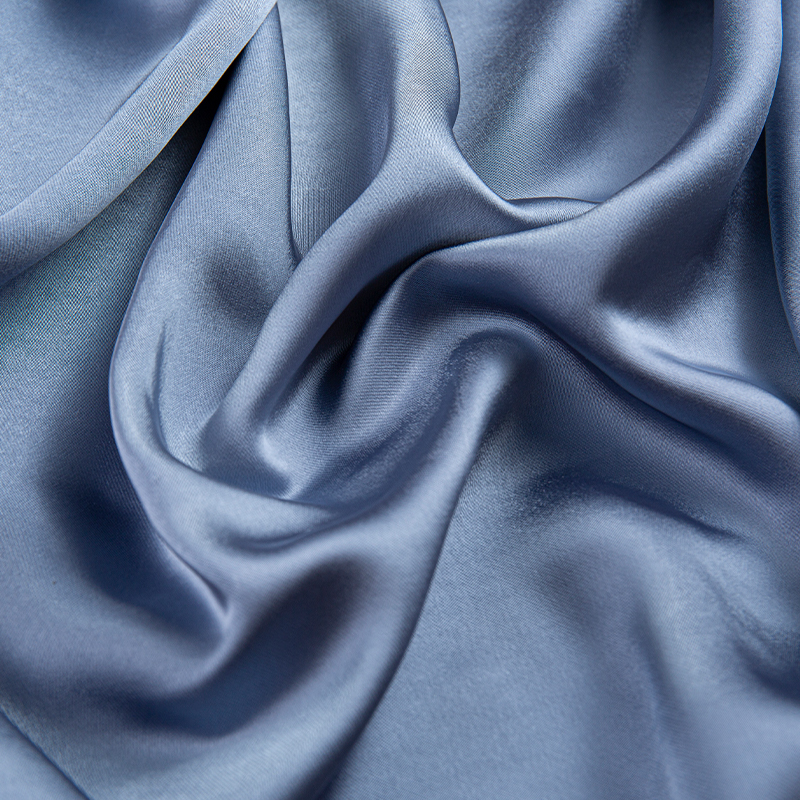
In the 2026 luxury market, "sustainable" must also mean "superior." Clothing lyocell fabric offers a unique combination of silk-like luster and cotton-like durability. The fiber's smooth cross-section results in a material that is exceptionally soft on the skin, a key driver for luxury lyocell clothing trends 2026. Furthermore, the breathability of lyocell fabric for clothing surpasses many natural fibers, as the sub-microscopic channels (fibrils) efficiently manage moisture absorption and release. At WuJiang City Hongyuan Textile, our use of 400 double twisting equipment and advanced warp drawing technology allows us to create fabrics that maintain high-tensile strength even when wet, outperforming traditional rayon.
Lyocell provides the aesthetic of silk with the mechanical stability required for contemporary sportswear and tailored luxury garments.
| Physical Property | Natural Silk | Premium Clothing Lyocell Fabric |
| Wet Strength | Low (Loss of 15-25%) | High (Exceptional wet modulus) |
| Moisture Absorption | Excellent | Superior (50% more than cotton) |
| Surface Friction | Ultra-Smooth | Smooth (Highly skin-friendly) |
The push for sustainable fashion circularity demands materials that do not deplete finite resources. Clothing lyocell fabric is derived from sustainably harvested wood pulp, typically eucalyptus or beech, which requires no irrigation or pesticides. For the 2025-2026 market, the ability to trace the fiber from forest to finished garment is a requirement. WuJiang City Hongyuan Textile supports this transparency through our integrated production facilities. When comparing lyocell vs cotton environmental impact, lyocell requires significantly less land and water per kilogram of fiber produced, making it a lower-impact alternative for mass-market luxury collections.
As an engineer-level textile solution, clothing lyocell fabric is rarely used in isolation for luxury applications. The current trend involves lyocell and silk blend fabrics or lyocell linen blends for luxury fashion. These combinations leverage the strength of lyocell to stabilize the delicate nature of silk or to soften the rigidity of linen. Our facility in Shengze specializes in these high-performance weaves. By utilizing our 500 water jet looms, we can produce high-density sustainable clothing textiles that resist pilling and maintain their structural integrity through industrial laundering, a critical factor for the longevity required in circular fashion models.
When properly processed with advanced warp drawing and finishing techniques, like those used at Hongyuan Textile, lyocell maintains excellent dimensional stability and exhibits lower shrinkage than many traditional cellulose fibers.
The fiber is naturally smooth without the use of chemical softeners. Its ability to manage moisture reduces the "dampness" that can irritate skin, making it a top choice for eco-friendly lyocell fabric benefits in intimate apparel.
To maintain the luster and drape, it is best to wash in cool water on a gentle cycle. Because of the fabric's high wet strength, it is more durable in the wash than silk or traditional rayon.
Quality is key. High-end lyocell engineered with controlled fibrillation, supported by our 30 years of manufacturing experience, significantly reduces the risk of surface pilling compared to low-grade alternatives.
It is classified as a "regenerated cellulose fiber." It is made from natural wood pulp but transformed through a chemical-mechanical process, combining the best of natural comfort and industrial performance.

Phone: +86 18806251599
TEL: +86 0512 63062555

Address: No. 1788, Yuanqu Road, Shengze Town, Wujiang District, Suzhou City, Jiangsu Province, China