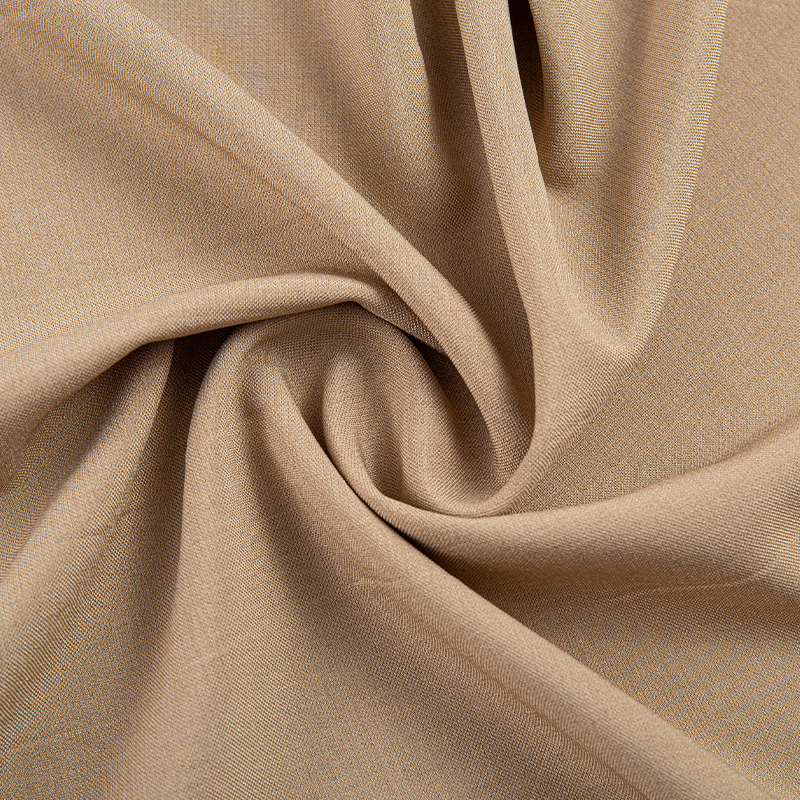
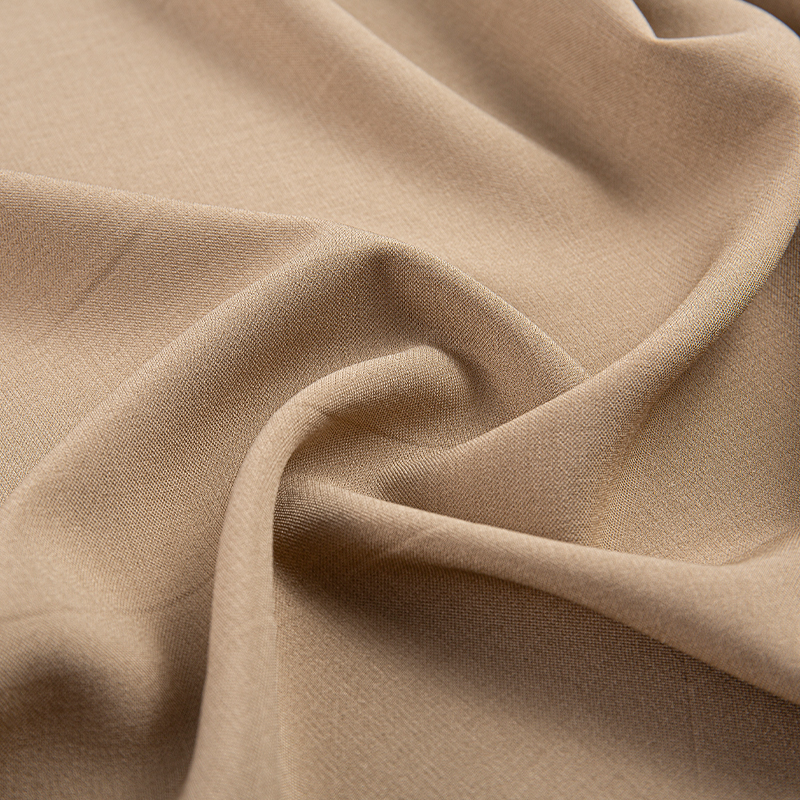
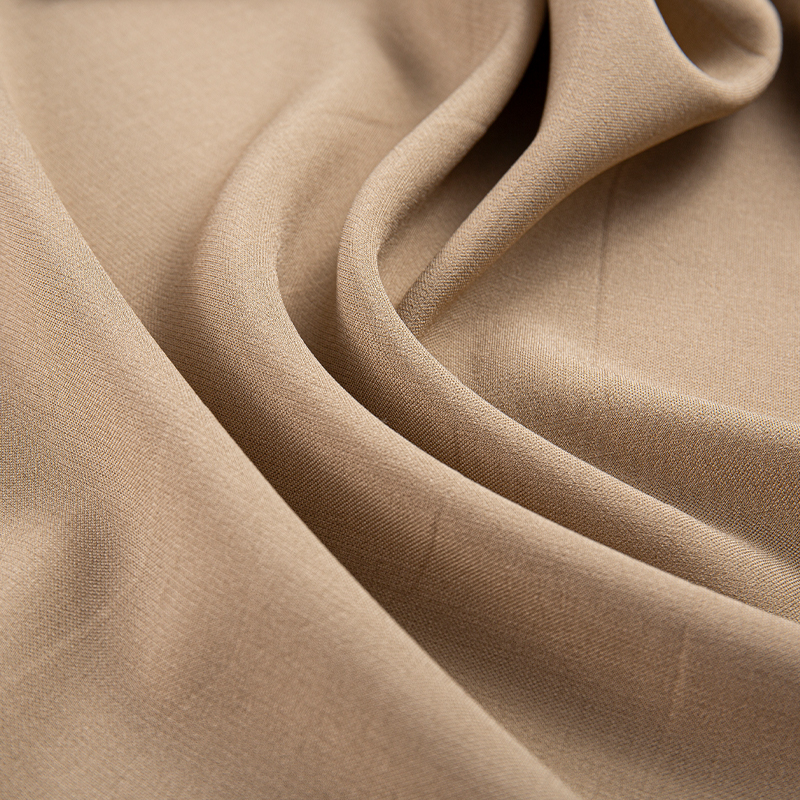
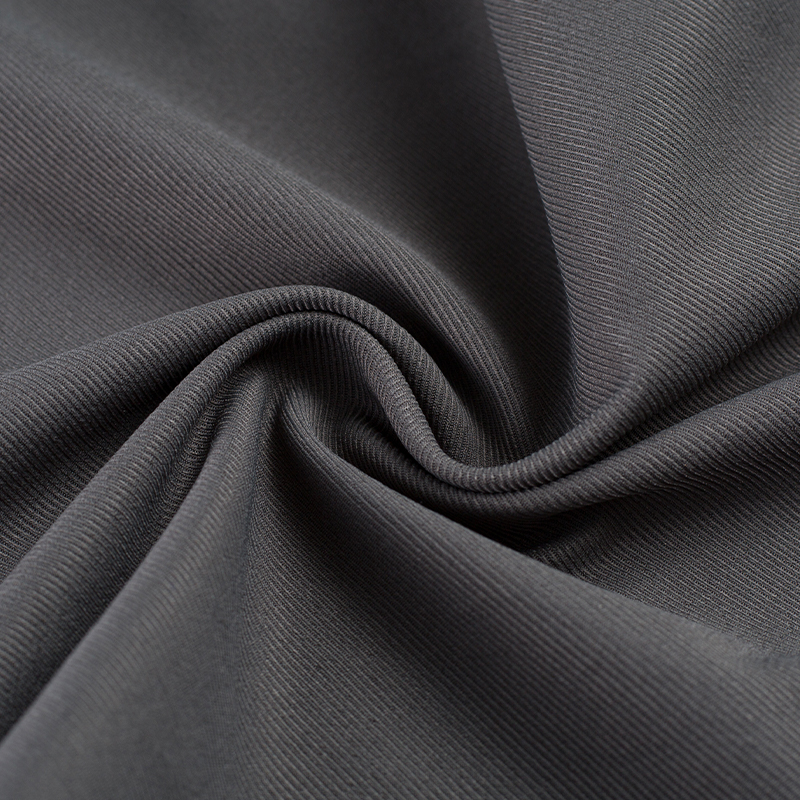
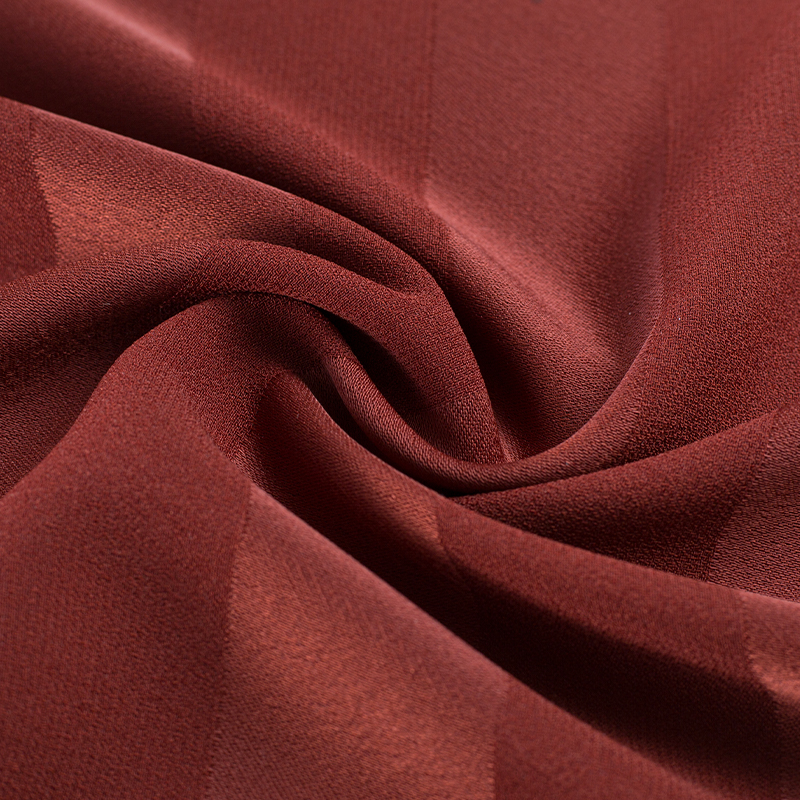
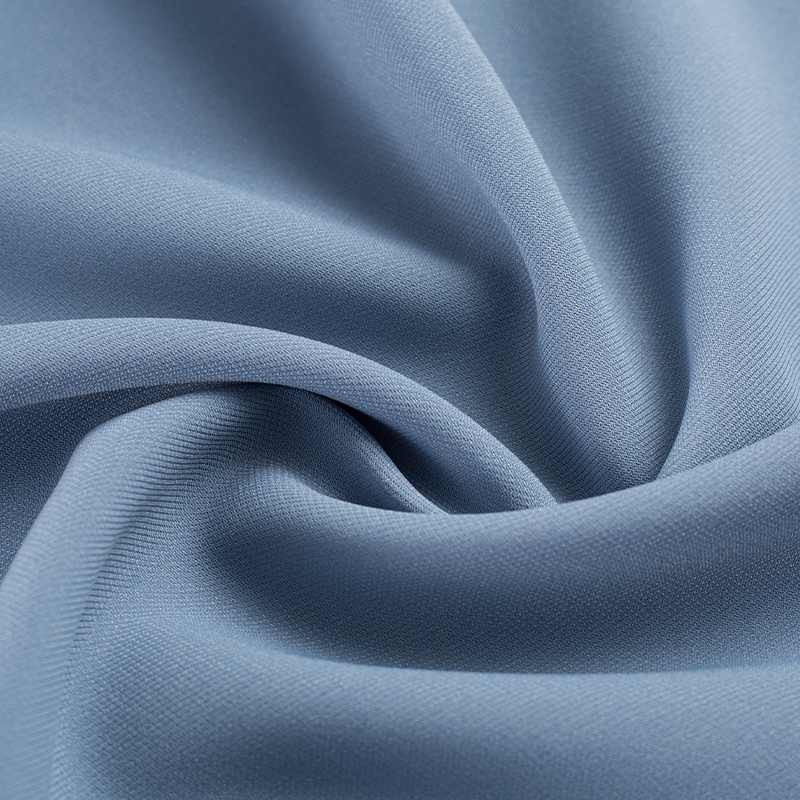
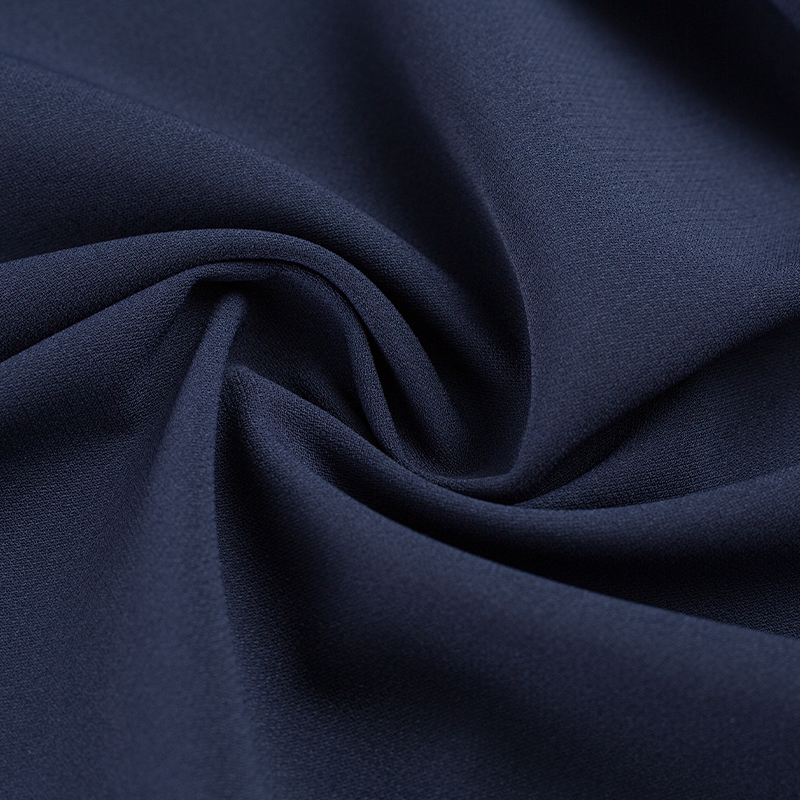
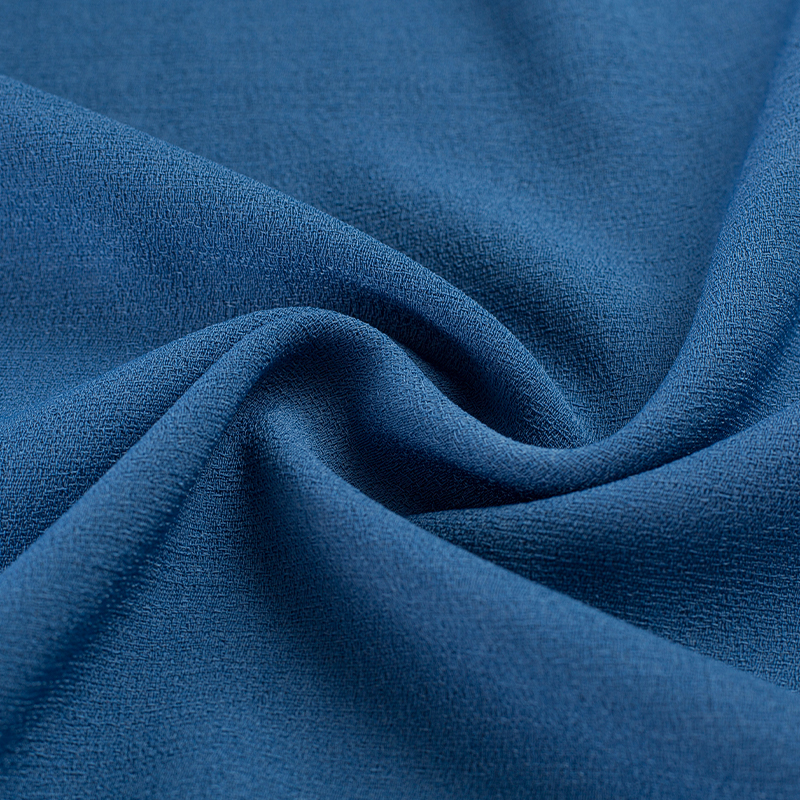
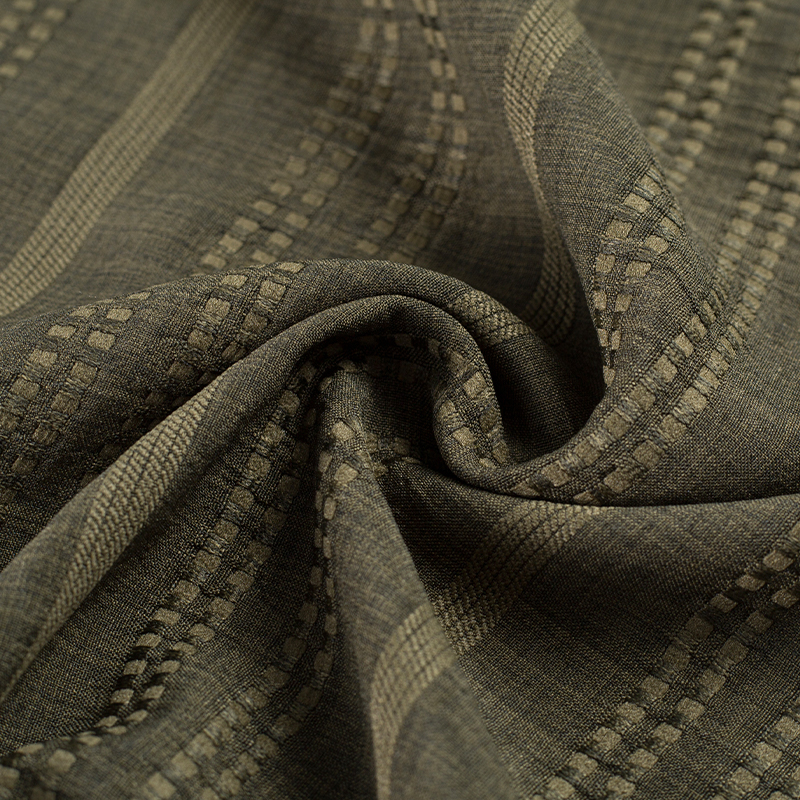
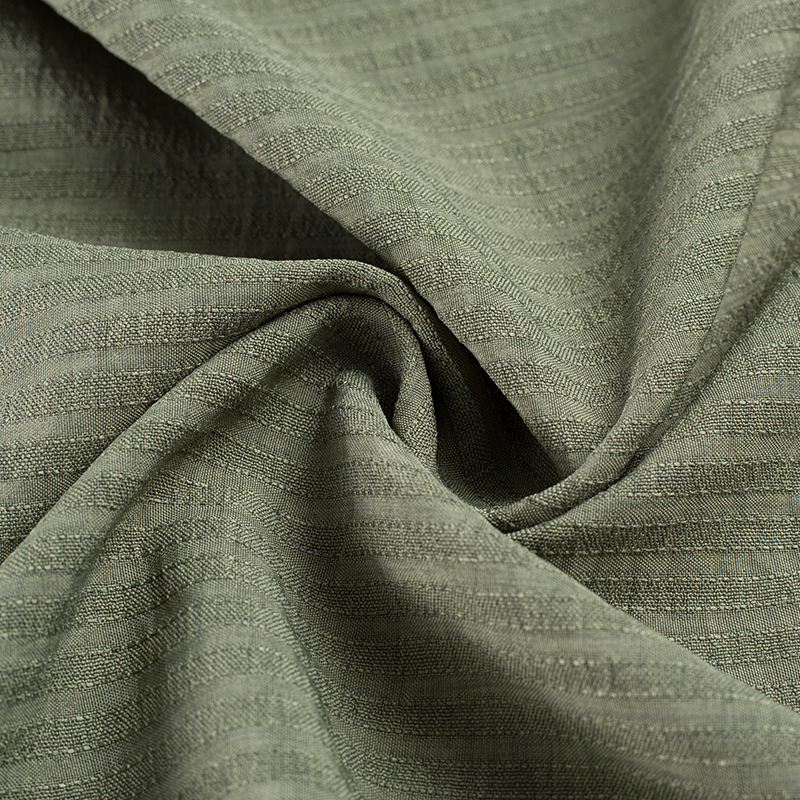
DS675 221GSM Imitation acetate Lelis 2/2 Light Brown twill Polyester fabric for business casual wear and trousers Industry knowledge
What are the common quality issues to look for in DS675 Imitation acetate Lelis 2/2 twill fabric for business casual wear and trousers?
In the world of business casual apparel, fabric selection is paramount. The material must strike a delicate balance between aesthetic elegance, day-long comfort, and durable performance. The ds675 imitation acetate lelis 2/2 twill fabric for business casual wear and trousers has emerged as a significant option for manufacturers and brands seeking this balance. It promises the luxurious appearance of acetate with enhanced practicality. However, as with any sophisticated textile, a thorough understanding of its potential quality issues is essential for buyers and designers to make informed decisions and ensure final product integrity.
Understanding the Fabric's Composition and Structure
Before delving into potential issues, it is crucial to understand what the ds675 imitation acetate lelis 2/2 twill fabric for business casual wear and trousers is. The specification sheet indicates a composition of 94% Polyester § and 6% Spandex (SP). The "imitation acetate" refers to a modified polyester filament engineered to mimic the soft hand, smooth texture, and subtle luster of genuine acetate silk. The "2/2 twill" denotes the weave pattern, where each weft yarn passes over two warp yarns and under the next two, creating a characteristic diagonal rib. This structure is renowned for its durability, good drape, and resistance to wrinkling. The inclusion of a small percentage of spandex provides essential mechanical stretch, enhancing comfort and freedom of movement, which is a critical feature for modern business casual trousers.
The production of such a fabric requires significant technical capability. A manufacturer with a standardized production plant, hundreds of water-jet looms, and front-end facilities like two-for-one twisting machines is better positioned to control quality from raw material to finished cloth. These resources allow for consistent yarn tension, precise warp drawing, and controlled weaving, which are the foundational elements of a high-quality fabric.
Common Quality Issues and Evaluation Criteria
When sourcing the ds675 imitation acetate lelis 2/2 twill fabric for business casual wear and trousers, buyers should focus on several key areas. The following sections break down the most common concerns into mechanical, aesthetic, and performance-related categories.
Mechanical and Structural Integrity
The structural integrity of the fabric is non-negotiable for garments intended for regular wear, such as trousers. Compromises here lead to premature garment failure.
Dimensional Stability and Shrinkage
One of the primary concerns for any fabric containing spandex is dimensional stability. Spandex has a natural tendency to contract after being subjected to tension during weaving and finishing. If the fabric is not properly relaxed and heat-set during finishing, significant shrinkage can occur after the first wash. For trousers, this can result in an unacceptable change in fit, leading to customer returns. Buyers should request shrinkage test data according to standard methods (e.g., AATCC 135). A quality supplier will have processes in place to pre-shrink the fabric, ensuring that residual shrinkage is minimized to a level acceptable for garment manufacturing, typically below 3%.
Tensile and Tear Strength
While the 2/2 twill weave and polyester base inherently provide good strength, inconsistencies can arise. Weaknesses may be introduced by inferior raw materials, improper loom settings, or excessive tension during processing. Trousers experience stress in areas like the seat and knees. Fabric for trousers must have adequate tensile strength to resist ripping and good tear strength to prevent small snags from becoming large tears. Laboratory testing can quantify these properties, but a simple manual check—gently pulling the fabric in different directions—can sometimes reveal unexpected weaknesses or loose weave areas.
Aesthetic and Surface Defects
The visual appeal of the ds675 imitation acetate lelis 2/2 twill fabric for business casual wear and trousers is a major selling point. Defects here directly impact the perceived quality and grade of the final garment.
Weaving Defects: Barre, Streaks, and Mis-picks
The high-gloss nature of imitation acetate filament makes it particularly susceptible to highlighting weaving irregularities. Barre is a common issue, appearing as unintentional horizontal streaks across the fabric width. This is often caused by subtle variations in yarn tension or dye uptake. Similarly, warp streaks—vertical lines—can occur due to damaged or mis-threaded warp yarns. Mis-picks (errors in the weft insertion) disrupt the uniform twill pattern. These defects are often most visible when the fabric is examined under a consistent light source at a low angle. A manufacturer with advanced warp drawing equipment and well-maintained looms is essential for minimizing these flaws.
Color Fastness Properties
The rich, deep colors desired in business casual wear must remain true over time. Color fastness is a multi-faceted concern. Key tests include:
- Color fastness to washing: Will the color bleed or change when laundered?
- Color fastness to rubbing (crocking): Will color transfer onto other surfaces, like a light-colored chair?
- Color fastness to light: Will the fabric fade after prolonged exposure to sunlight, such as from an office window?
Poor color fastness is often a result of inadequate dyeing processes or the use of low-grade dyes. Given that the ds675 imitation acetate lelis 2/2 twill fabric for business casual wear and trousers is intended for professional settings where appearance is key, excellent color fastness is a mandatory requirement.
Pilling and Abrasion Resistance
Pilling—the formation of small, fuzzy balls on the fabric surface—is a common issue with polyester blends. While the long filament fibers in this fabric reduce pilling compared to spun polyester, it can still occur in high-friction areas like the inner thighs of trousers. The 2/2 twill weave, being relatively smooth, offers good resistance, but the quality of the yarn and the finishing treatments applied are critical. A controlled Martindale abrasion test can predict the fabric's performance. A high-quality finish can significantly enhance the fabric's ability to withstand daily wear without pilling or unsightly shine.
Performance and Hand Feel
The tactile experience and functional performance of the fabric are what define its comfort and practicality in daily use.
Drape and Stiffness
The elegant drape of this fabric is one of its most valued characteristics, contributing to a flattering silhouette on trousers. The drape is a function of the fabric's weight (221 GSM, as per specifications), the weave, and the stiffness of the yarn. If the imitation acetate filament is too stiff or the finishing chemicals are over-applied, the fabric can feel boardy rather than fluid. Conversely, if it is too soft, it may lack the necessary body for structured business casual trousers. The ideal ds675 imitation acetate lelis 2/2 twill fabric for business casual wear and trousers should fall in soft, clean folds, indicating a well-calibrated balance.
Wrinkle Recovery
A key advantage of polyester over natural fibers is its inherent resistance to wrinkling. For the business traveler or anyone who sits for long periods, good wrinkle recovery is essential. The fabric should be able to shed wrinkles formed during wear with minimal effort, maintaining a crisp, professional appearance throughout the day. While the polyester content ensures generally good performance, the specific heat-setting during finishing will optimize this property.
Comfort and Breathability
A common critique of polyester is its potential lack of breathability. The imitation acetate lyocell 2/2 twill blend, as mentioned in the product description, aims to address this by incorporating the moisture-absorbing properties of Lyocell (or similar cellulosic fibers). However, in the DS675 specification, the primary fiber is polyester. Therefore, the breathability is largely governed by the weave density (46x40) and any moisture-wicking finishes that may be applied. For comfort in varied indoor climates, the fabric should allow for some air permeability and not trap heat and moisture against the skin.
Summary of Key Evaluation Parameters
The table below consolidates the primary quality issues and their corresponding evaluation methods.
| Quality Parameter |
Common Issue |
Evaluation Method |
Importance for Business Casual Trousers |
| Dimensional Stability |
Excessive shrinkage after washing |
Standard shrinkage test (AATCC 135) |
Critical - affects garment fit |
| Color Fastness |
Color bleeding or fading |
Laboratory tests for washing, rubbing, light |
High - impacts aesthetic longevity |
| Surface Integrity |
Pilling, snagging, weaving defects |
Visual inspection, Martindale abrasion test |
High - affects appearance and perception of quality |
| Drape and Hand Feel |
Stiffness or overly soft handle |
Subjective hand evaluation, drape coefficient test |
Medium-High - crucial for desired silhouette |
| Wrinkle Recovery |
Persistent wrinkles after wear |
AATCC 128 Wrinkle Recovery Test |
High - essential for low-maintenance wear |

 English
 中文简体
中文简体