 English
 中文简体
中文简体
Home / Products / SPH/CEY Series Fabrics / HY607 CEY matte CEY2/1 Pure twill blended fabric, White business casual fabric
Custom HY607 CEY matte CEY2/1 Pure twill blended fabric, White business casual fabric
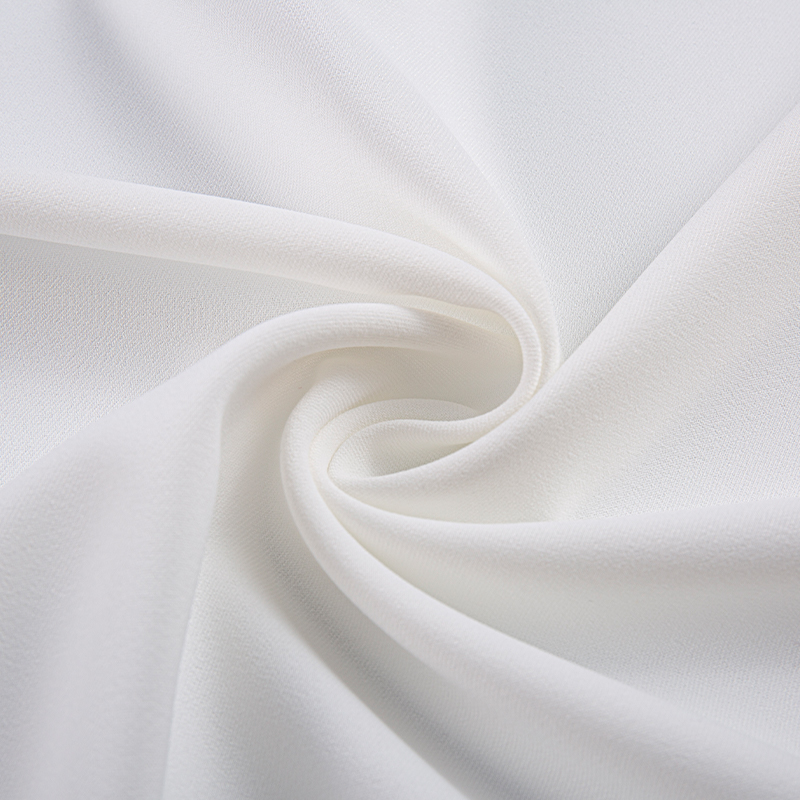
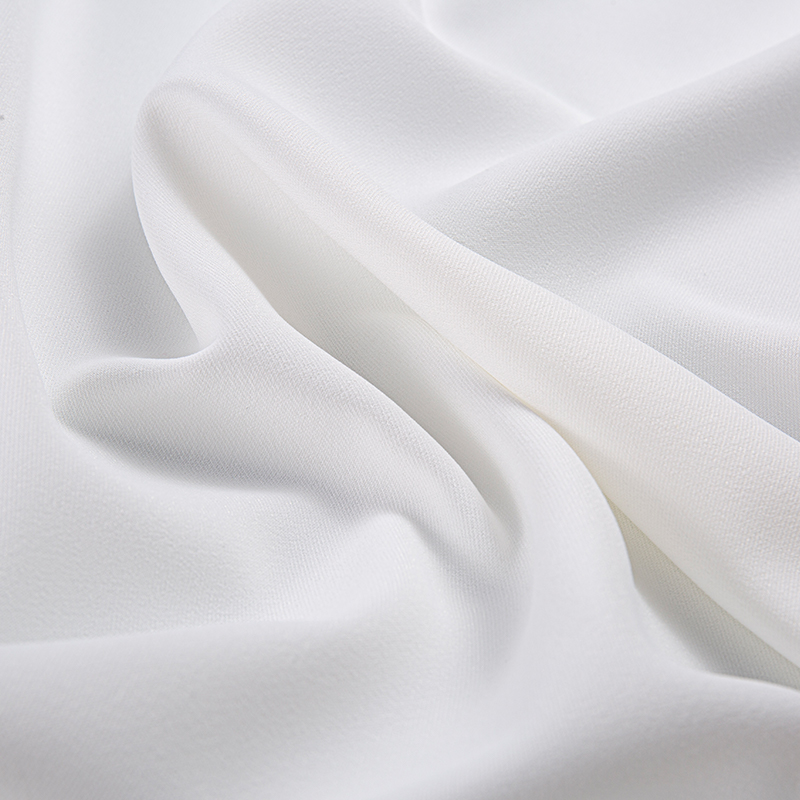
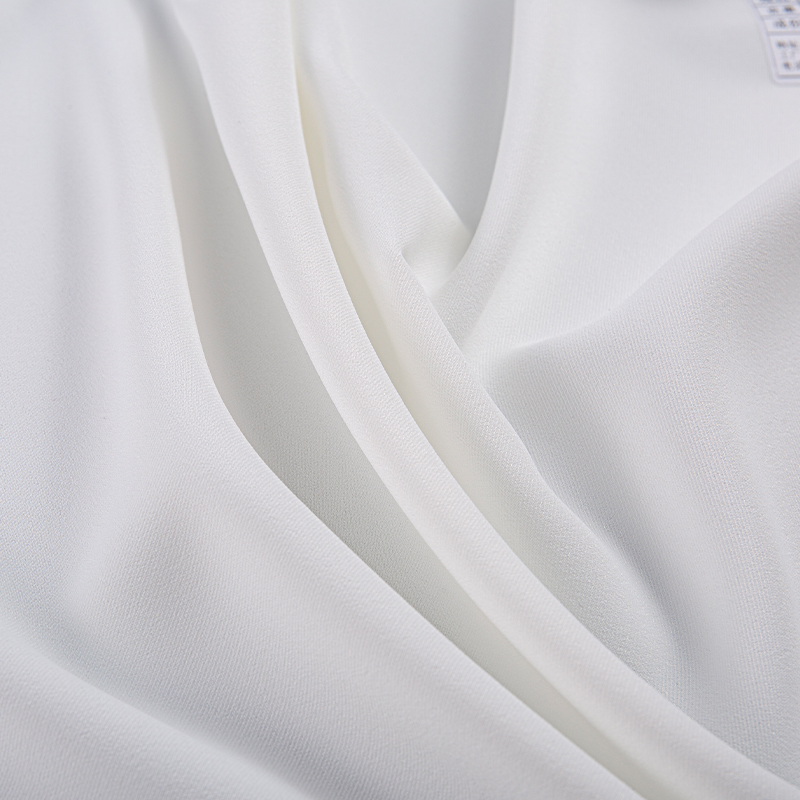
CEY 2/1 twill is an innovative blended fabric, which is woven with 2/1 twill weave by blending polyester SPH (Super Performance Hybrid) and POY yarn pre-oriented yarn (Pre-Oriented Yarn) in a specific ratio. This fabric perfectly combines the durability of chemical fiber and the skin-friendliness of natural fiber, and presents a high-grade matte texture through professional matte treatment. This fabric represents the breakthrough balance of modern textile technology in the three dimensions of performance, aesthetics and environmental protection, and is redefining the new standard of business casual fabrics in the 21st century.
Utilizing a 2/1 twill weave (2 warp yarns + 1 weft yarn interlacing cycle), the fabric surface presents a delicate diagonal pattern. Compared to conventional twills, it is lighter and softer, while the CEY material inherently possesses a subtle "matte textured feel" – not a smooth surface, giving it a more visually premium appearance. The overall texture is understated and restrained, offering both the neatness of a twill weave and, due to the elastic fiber properties of CEY, a hint of micro-elastic relaxation.
Belonging to the lightweight category, it has a soft, skin-friendly touch combined with good drape and micro-elasticity – folds occur naturally and recover easily, providing no sense of tightness during wear, allowing for freer movement. The characteristics of CEY fabric (elastic composite fiber) give it both breathability and wrinkle resistance. It feels cool and non-stuffy for daily wear and is also easy to care for, being resistant to pilling and snagging.
Suitable for making items such as shirts, flowing dresses, loose wide-leg trousers, and soft camisoles. It can create a fresh, casual everyday style while also fitting into a smart-casual office wardrobe. It is a fabric type that embodies "lightweight comfort + quality presence."
| Category | Details |
| Company Name | Hongyuan Textile Industry |
| Number | HY607 |
| Item Name | CEY 2/1 Twill |
| Specification | 180D CEY*180D CEY |
| Gram Weight | 172GSM |
| Density | 36*30 |
| Composition | 100%P |
| Address | No.7, Floor 112, Premium Product Zone, Shengze Town, Suzhou City |
| Factory | No.1788, Yuanqu Road, Shengze Town, Wujiang District, Suzhou City |
| Telephone | 0512 - 63062555; 0512 - 63062111 |
| Note | Data for reference only |
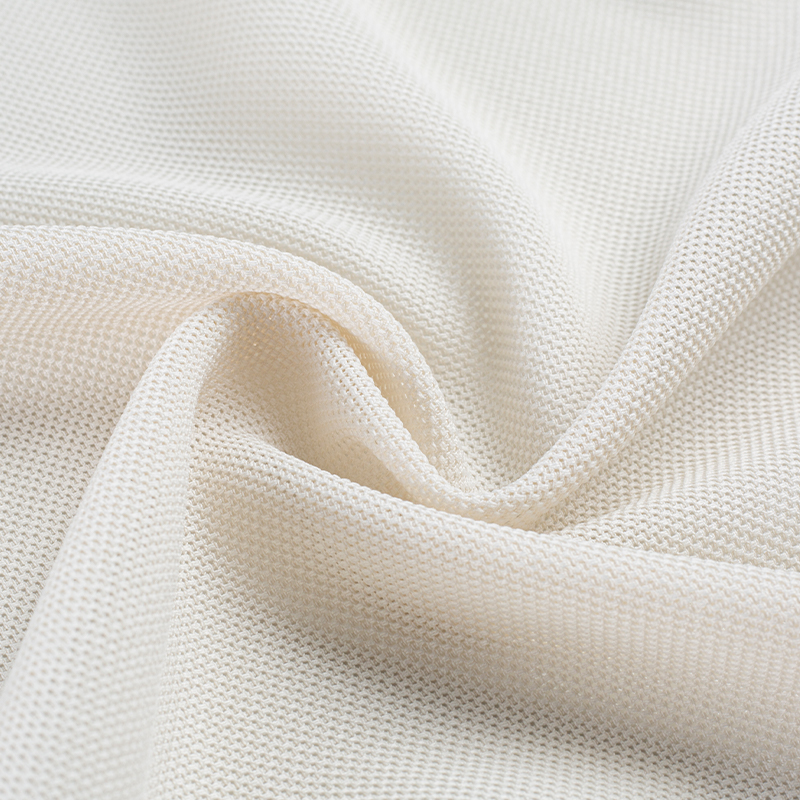
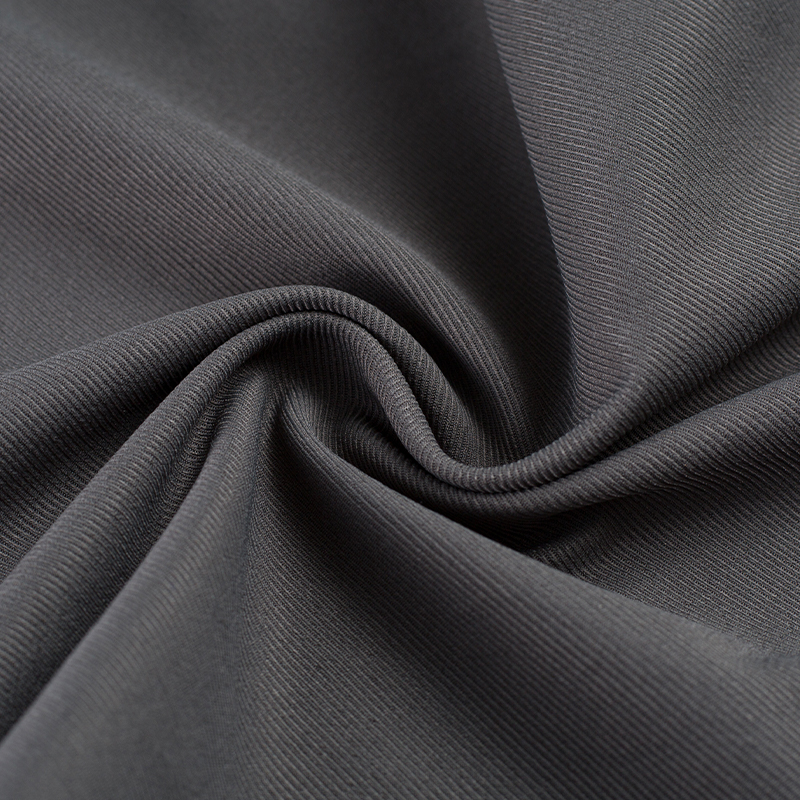
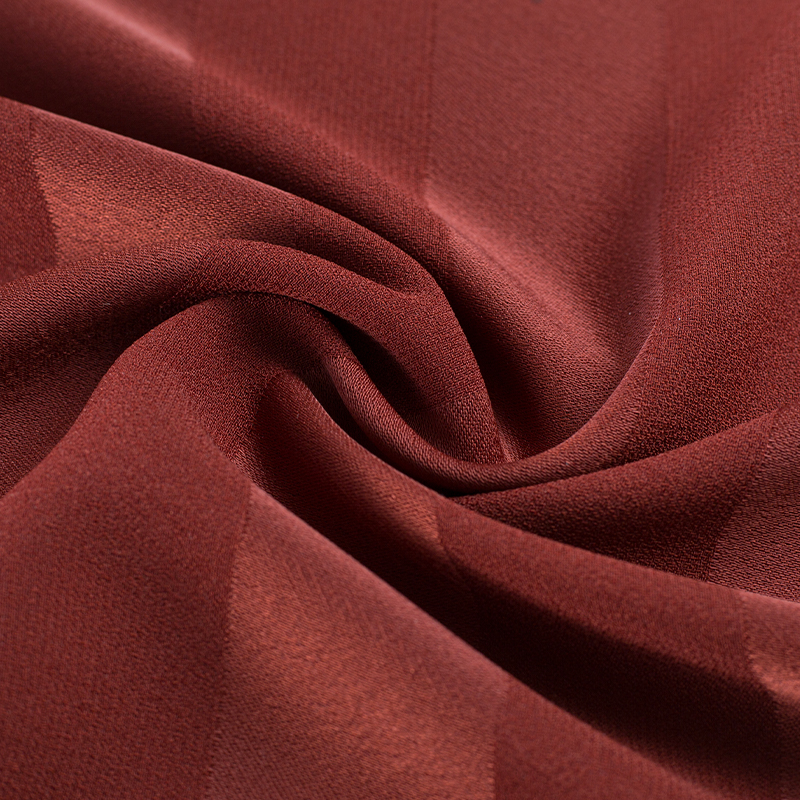
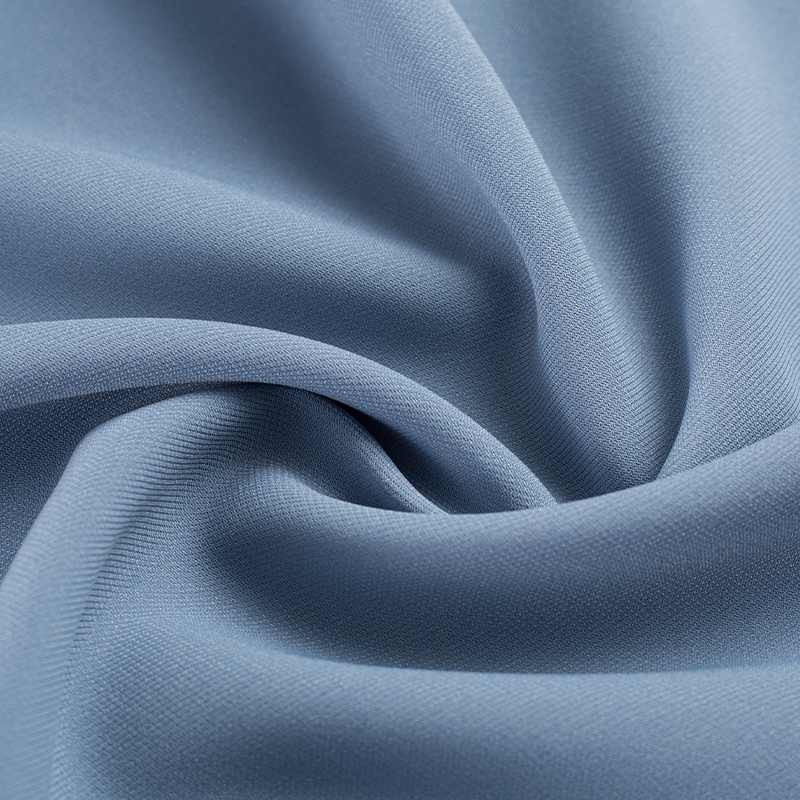
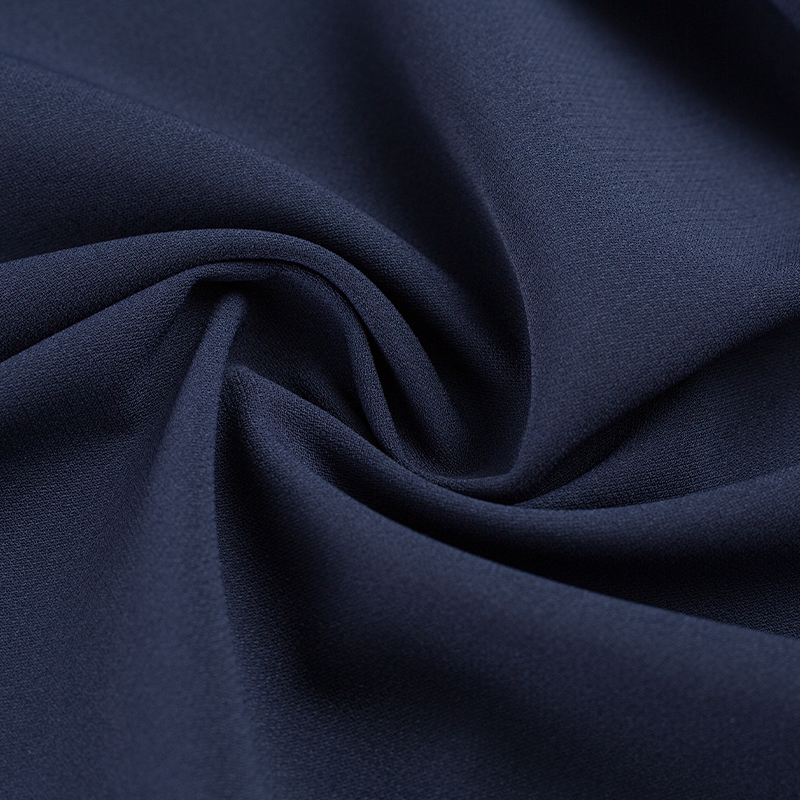
Sustainability used to mean sacrificing hand feel. That trade-off is disappearing fast, and Lyocell fabric is a large part of why. Spun from regenerated cellulose through a resource-efficient production process, it deli...
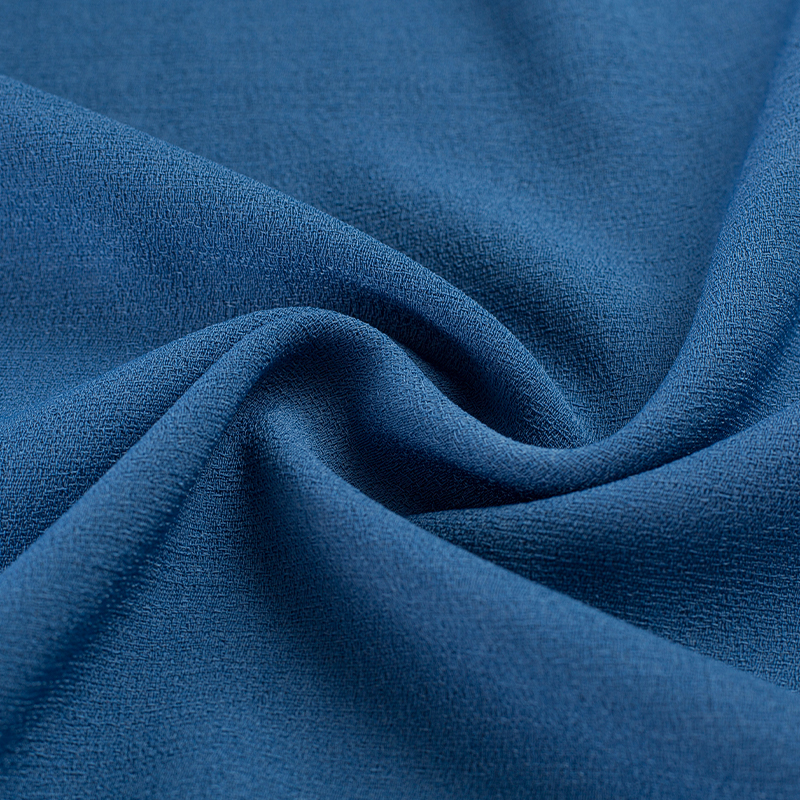
READ MOREChoosing a fabric for apparel is rarely just about look and feel anymore; sourcing and sustainability now weigh just as heavily on the decision. Lyocell twill fabric has become a favorite for designers and brands who wa...
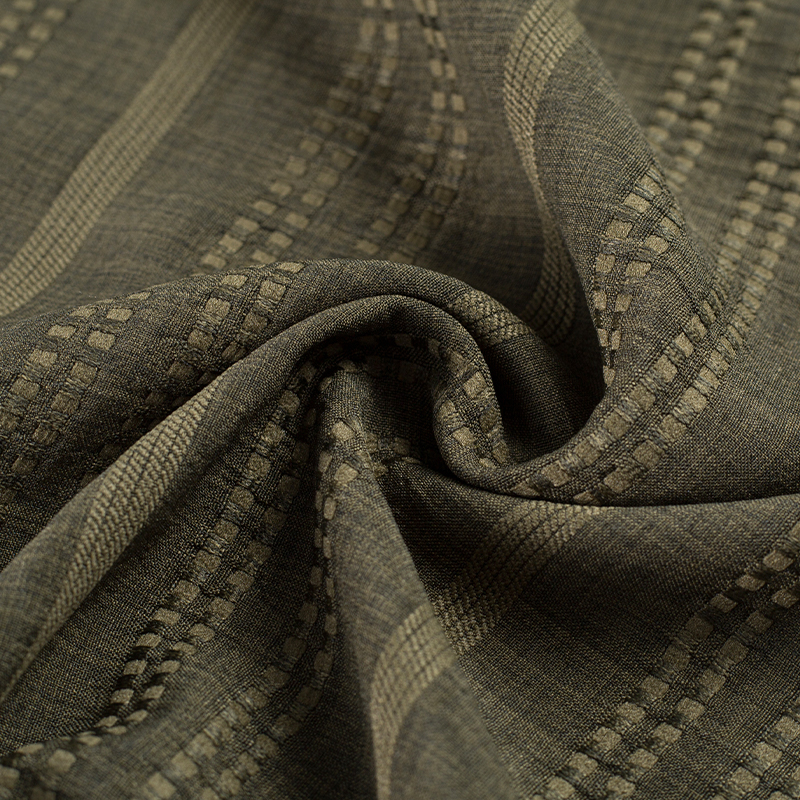
READ MORESatin silk cloth fabric is one of the most sought-after materials in fashion and luxury textile production, prized for its glossy surface, fluid drape, and refined hand feel. For fashion brands, apparel manufacturers, a...
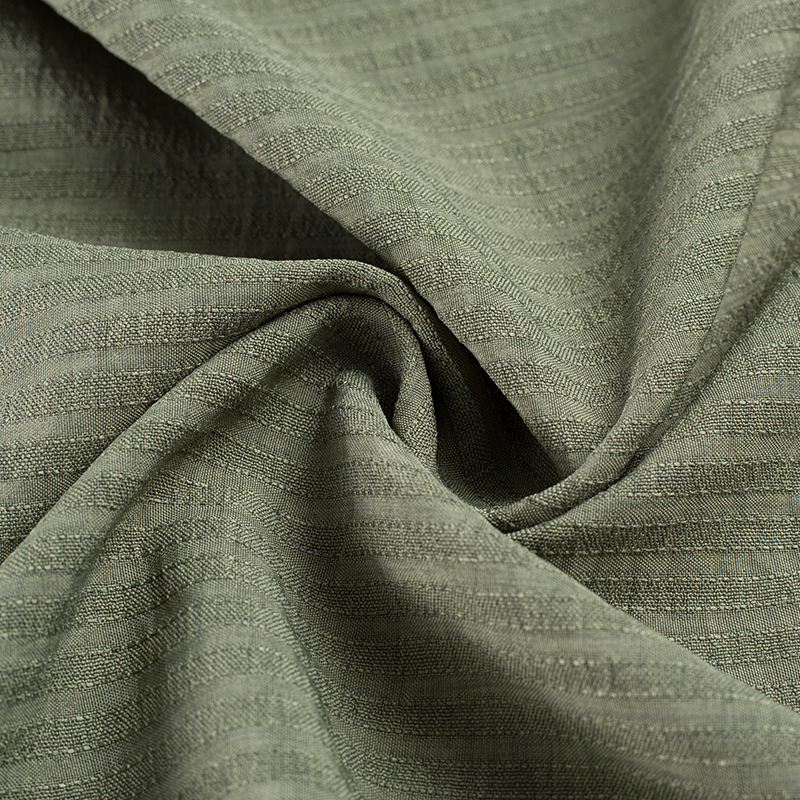
READ MOREWhen performance apparel needs to move with the body rather than against it, fabric choice is everything. 4 way stretch spandex fabric has become the industry benchmark for activewear, athleisure, and technical garments...
READ MORETwill blended fabric occupies a distinct position in the textile industry, integrating structural durability with refined aesthetics. Its weaving pattern, fiber composition, and functional adaptability allow it to serve as a bridge between casual elegance and technical performance. When placed within the evolving demands of apparel, upholstery, and professional wear, this fabric's features demonstrate how innovation in blending and finishing techniques reshapes its industry role.
Twill is identified by its diagonal rib pattern, a result of weft yarns crossing over and under warp yarns in a structured sequence. This technique provides a higher yarn density compared to plain weaves, enabling enhanced resilience and form retention. When fibers are blended—whether natural with synthetic or across different synthetics—the twill construction gains additional properties such as wrinkle resistance, moisture control, or improved drape.
The integration of multiple fibers in twill fabrics ensures that while the core strength is maintained, supplementary attributes like breathability or softness can be optimized. This technical flexibility is one of the main reasons twill blended fabric is widely regarded as a reliable option for both fashion and industrial use.
Surface finish plays an equally important role as the internal structure. The twill weave naturally reflects light differently across its diagonal lines, which can be further refined through matte finishing processes. A matte twill blended fabric reduces glare, enhances understated elegance, and meets the demand for subtle textures in business casual fabric applications.
This understated aesthetic appeals to markets where professional presentation must balance with comfort—such as office attire, uniforms, and light luxury casual clothing. The presence of a matte finish also supports contemporary preferences for minimalistic, non-reflective visual effects in both apparel and interior design.
The blending process allows manufacturers to engineer twill fabrics with targeted properties. For example:
| Property | Performance Advantage | Application Focus |
|---|---|---|
| Wrinkle Resistance | Maintains crisp form during prolonged use | Business casual fabric for offices |
| Soft Hand Feel | Comfort for daily wear | Fashion and casual apparel |
| Moisture Wicking | Breathable in active settings | Uniforms and sports-inspired wear |
| Structural Strength | Long-lasting durability | Upholstery and protective gear |
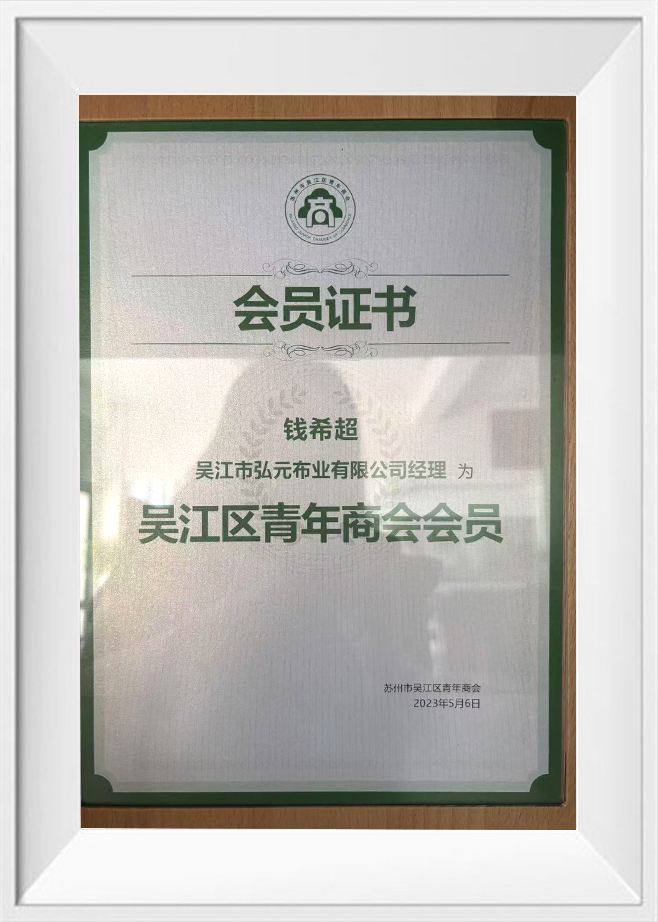
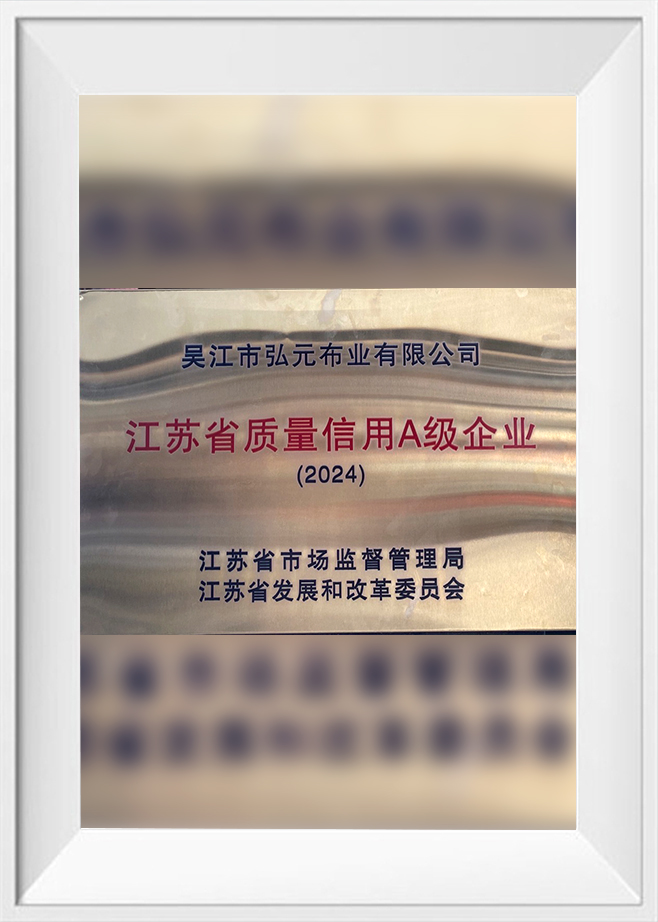
The production efficiency of twill blended fabrics is closely linked to vertical integration within the textile industry. WuJiang City Hongyuan Textile Co., Ltd. exemplifies this model. The company boasts over 400 two-for-one twisting machines and more than 10 advanced warp drawing machines, ensuring precision in yarn preparation and weaving.
Its integrated production and sales approach—from raw materials to finished products—provides two primary advantages:
This type of industrial structure reinforces the reliability of twill blended fabric as both a standard material and a customizable product.
In the current market, the demand for business casual fabric directly influences the positioning of twill blends. Unlike purely formal textiles, which emphasize sheen and rigidity, twill blends combine structure with relaxed softness. This balance aligns with evolving workplace dress codes that prioritize comfort without compromising professional appearance.
The matte aesthetic contributes to this trend, as it projects refinement without ostentation. Additionally, versatility across seasons and adaptability to different garment categories ensures a continuous relevance of twill blended fabric in global markets.
An increasingly important industry focus is sustainability. By strategically blending natural fibers with synthetics, twill fabrics can reduce resource strain while enhancing longevity. Extended product lifecycles contribute to reduced replacement frequency, which indirectly lessens waste.
Furthermore, controlled dyeing and finishing processes on twill blends can support eco-friendly initiatives by limiting excess chemical use. Factories with closed-loop systems for water treatment or optimized energy consumption enhance the sustainability profile of such fabrics.
When compared to plain woven fabrics, twill blended fabric demonstrates superior resistance to wear and creasing. Against satin constructions, it offers a less reflective, matte surface while maintaining strength. These comparative advantages make it a logical choice for industries seeking balance between functionality and refined aesthetics.
In the upholstery segment, twill blends resist abrasion better than lightweight weaves, while in apparel, their ability to combine sharp tailoring with comfort positions them as a cornerstone of business casual dressing.
Ongoing innovations in spinning, dyeing, and finishing technologies will continue to expand the performance range of twill blended fabrics. Future developments are expected to emphasize:
WuJiang City Hongyuan Textile Co., Ltd. has comprehensive front-end facilities and controlled in-house production, enabling it to lead these advancements by quickly integrating new technologies.
Twill blended fabric demonstrates how traditional weaving structures, when combined with modern blending and finishing techniques, can produce textiles that meet the demands of contemporary markets. Its matte elegance, adaptability to business casual fabric requirements, and resilience across applications affirm its long-term industrial value.
By maintaining an integrated production process, WuJiang City Hongyuan Textile Co., Ltd. ensures both consistency and innovation, thereby supporting the development of twill blend fabrics as a versatile material in the global textile supply chain. Ultimately, the decisive advantage of this fabric lies in its ability to combine durability, comfort, and aesthetics into a single textile solution.

Phone: +86 18806251599
TEL: +86 0512 63062555

Email: [email protected]

Address: No. 1788, Yuanqu Road, Shengze Town, Wujiang District, Suzhou City, Jiangsu Province, China