Home / Products
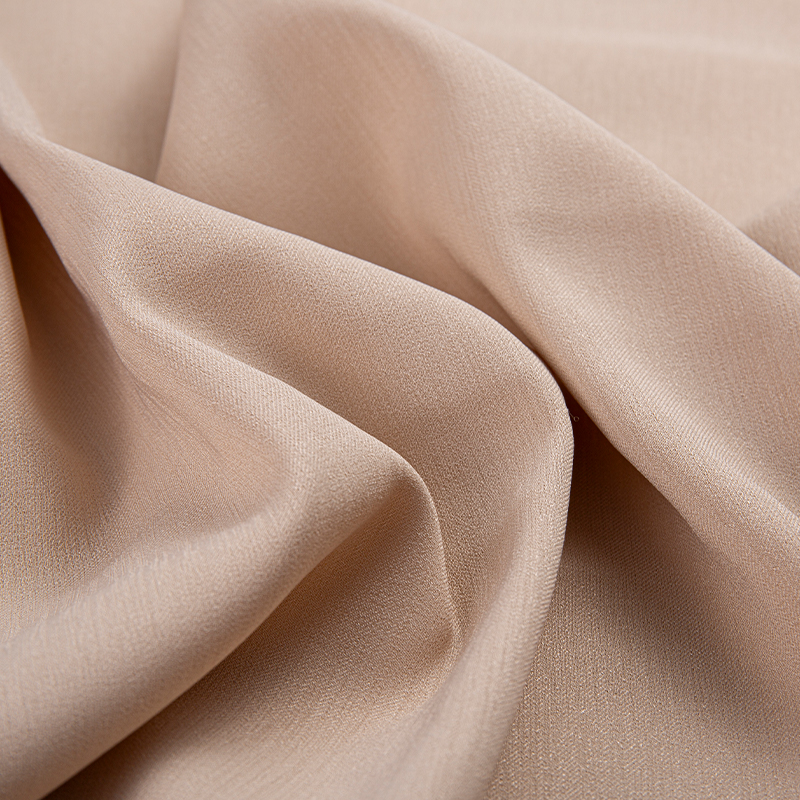
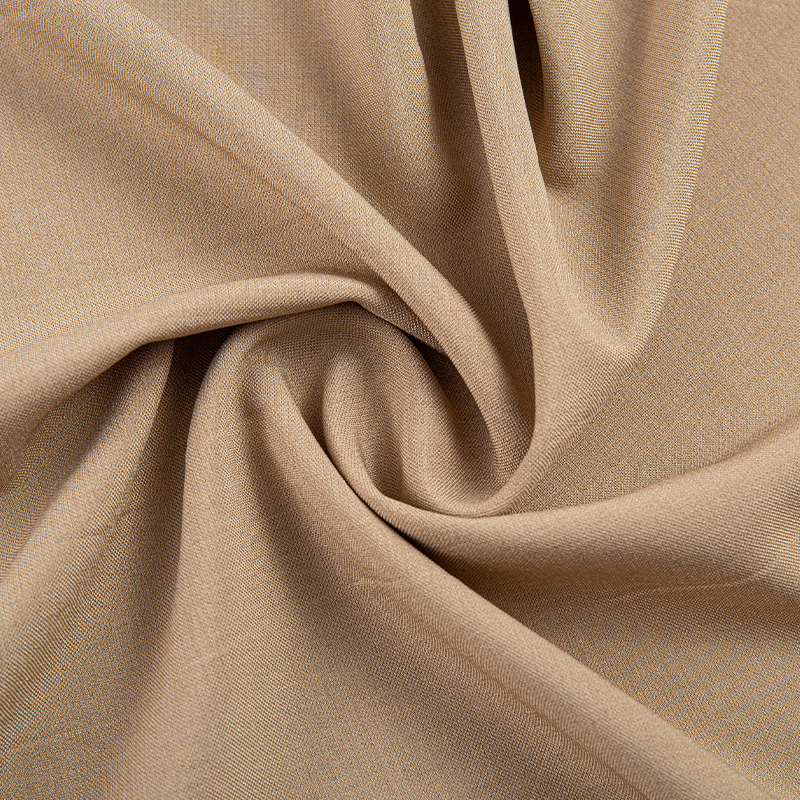
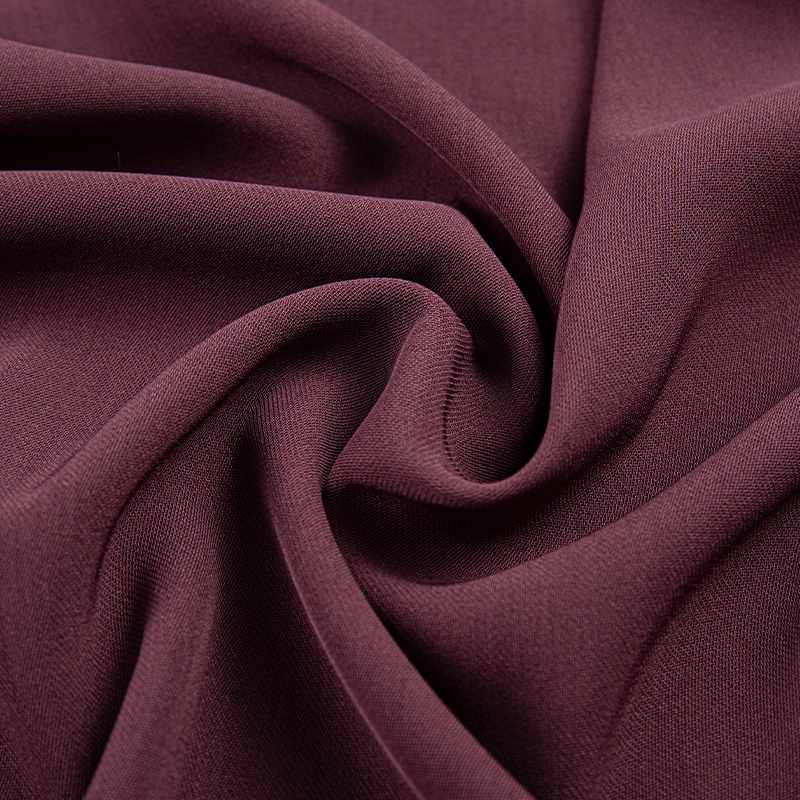
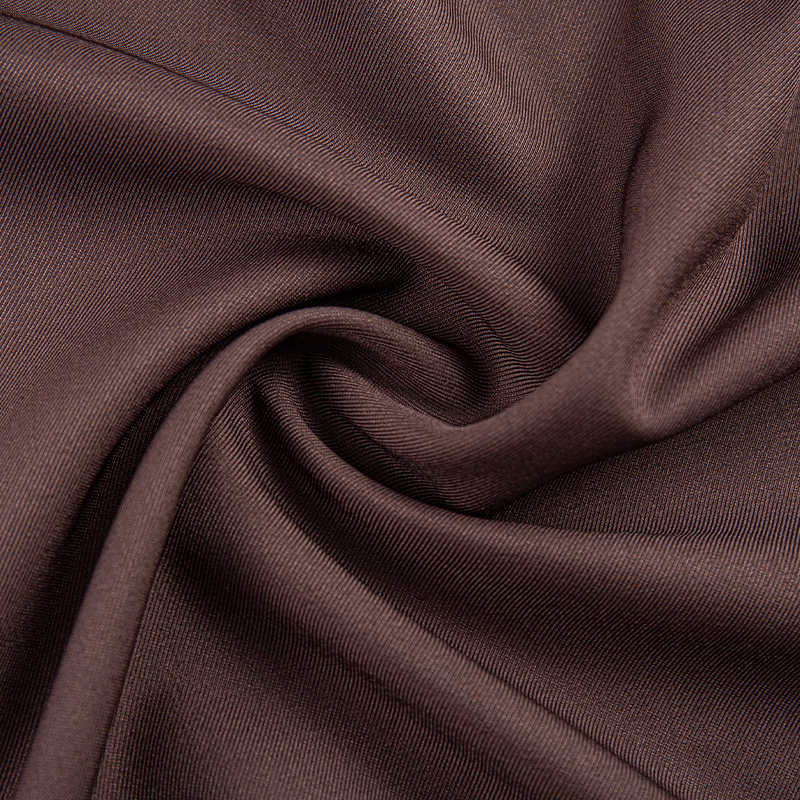
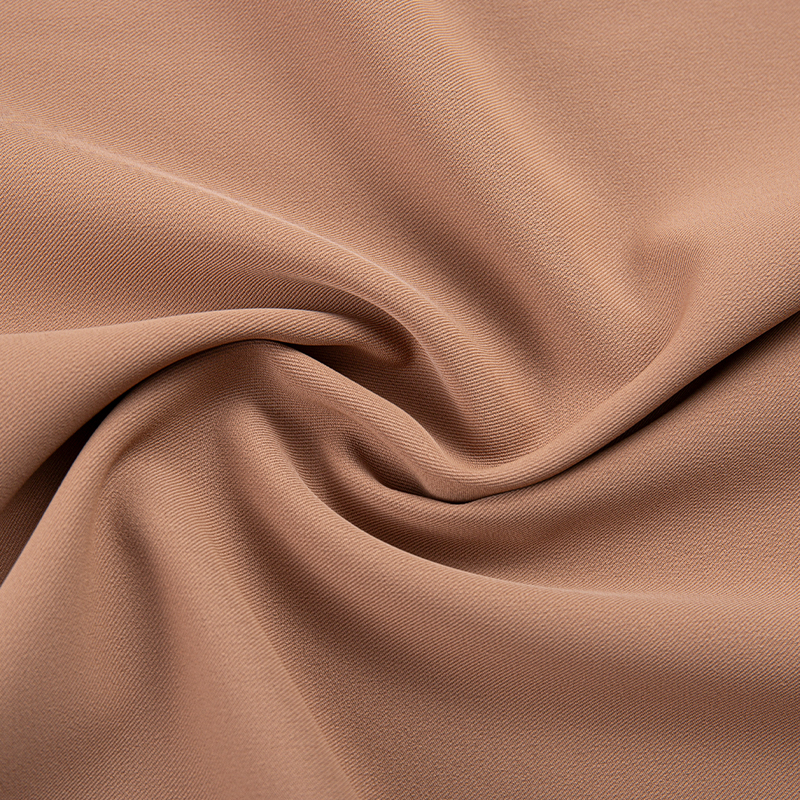
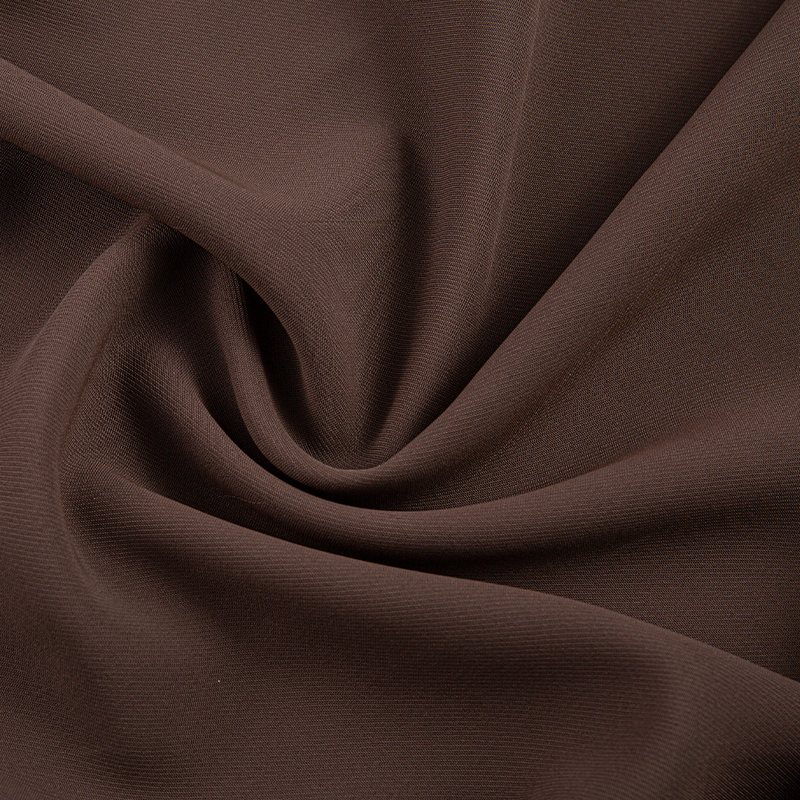
Wholesale Recycled Clothing Fabric
About
WuJiang City Hongyuan Textile Co., Ltd.
We are China Recycled Clothing Fabric Manufacturers and Wholesale Recycled Clothing Fabric Exporters. The company was founded in the 1990s and has been deeply involved in the textile industry for more than 30 years. Located in China's national silk-intensive spark-intensive area, Shengze, the first town in China known as the "Silk Capital", it has its own standardized production plant of 100 acres, covering an area of ​​60,000 square meters, 500 water jet looms, and more than 500 employees. It has a complete set of front-end supporting facilities: 400 double twisting equipment, more than 10 sets of advanced warp drawing equipment, and annual sales of more than 500 million yuan.
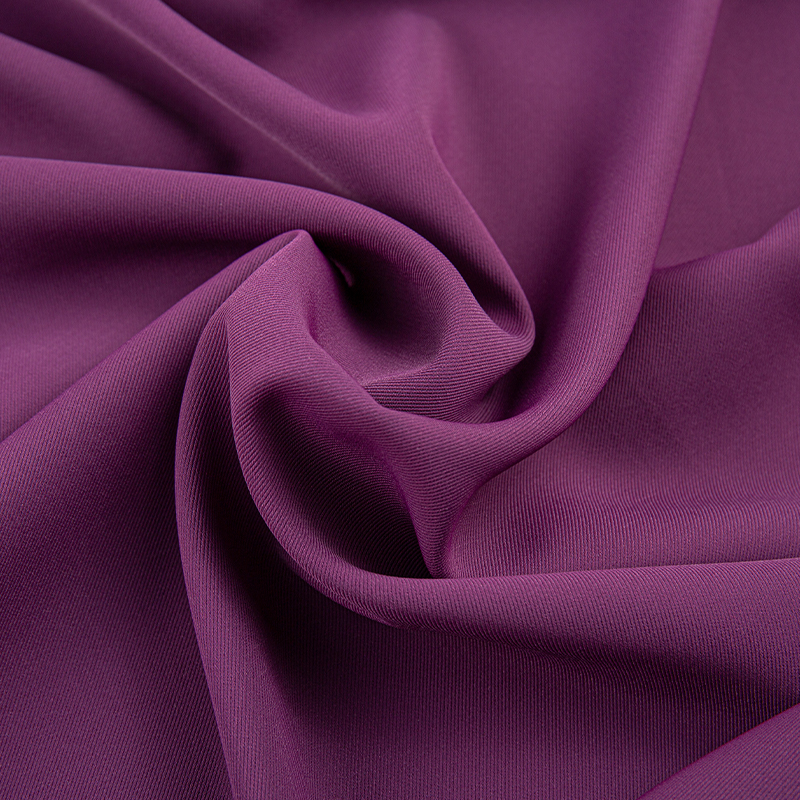
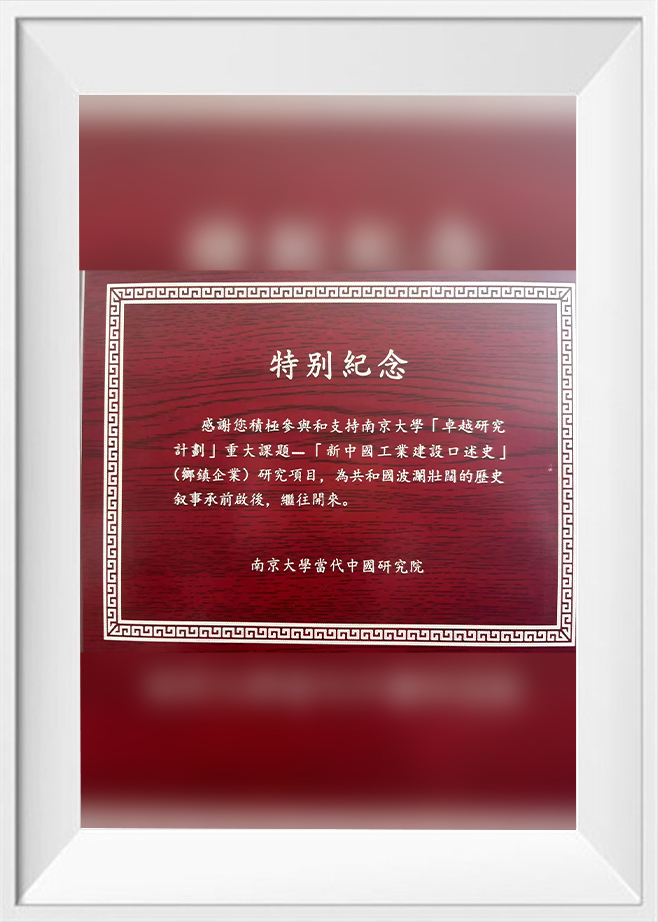
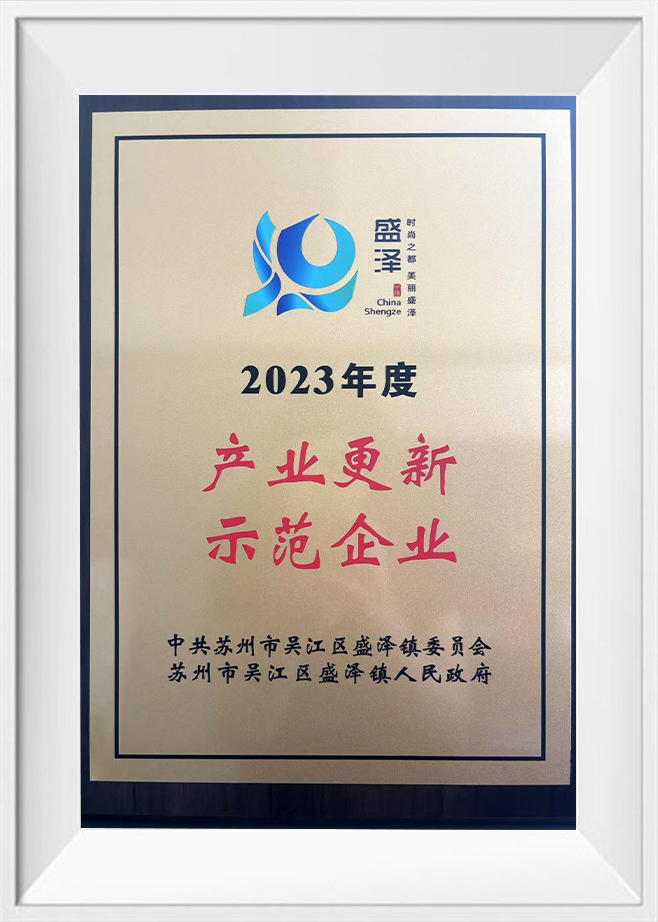
Certificate Of Honor
  • Special Commemoration
  • Industrial Renewal Demonstration Enterprises
  • Leading supplier of imitation silk
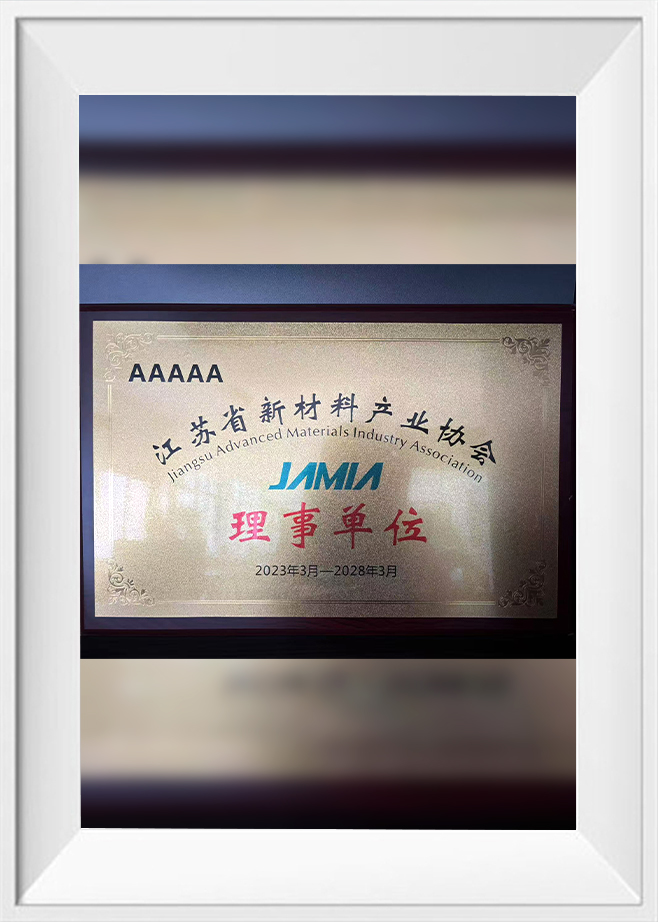
  • Jiangsu New Materials Industry Association
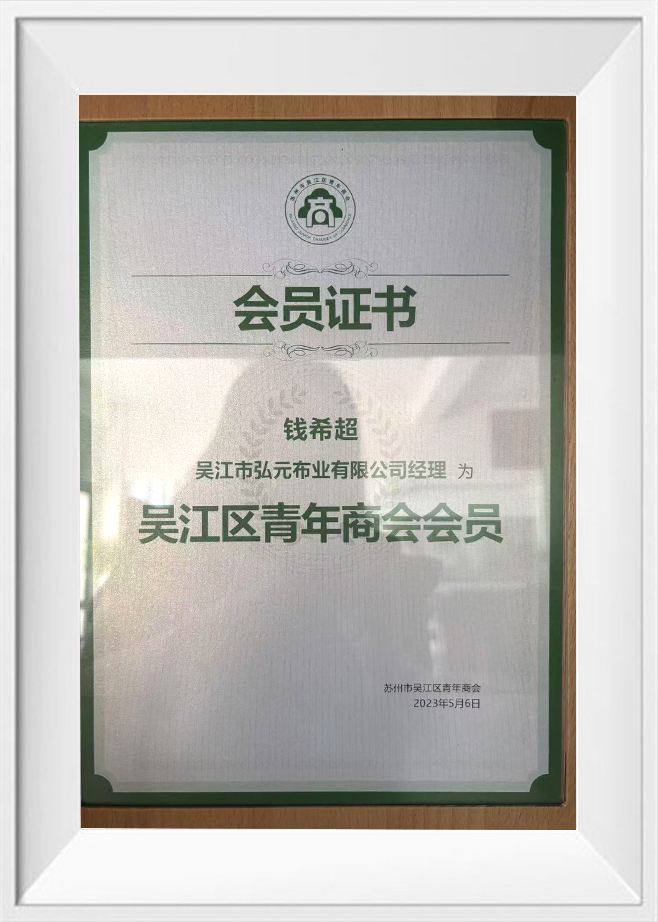
  • Member of Wujiang District Youth Chamber of Commerce
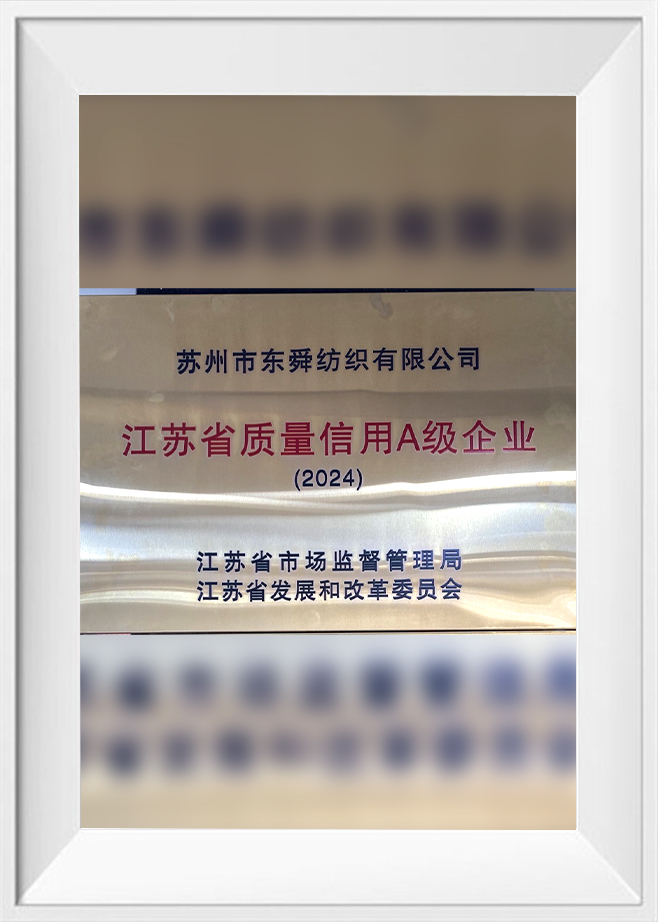
  • Jiangsu Province Quality Credit A-Level Enterprise
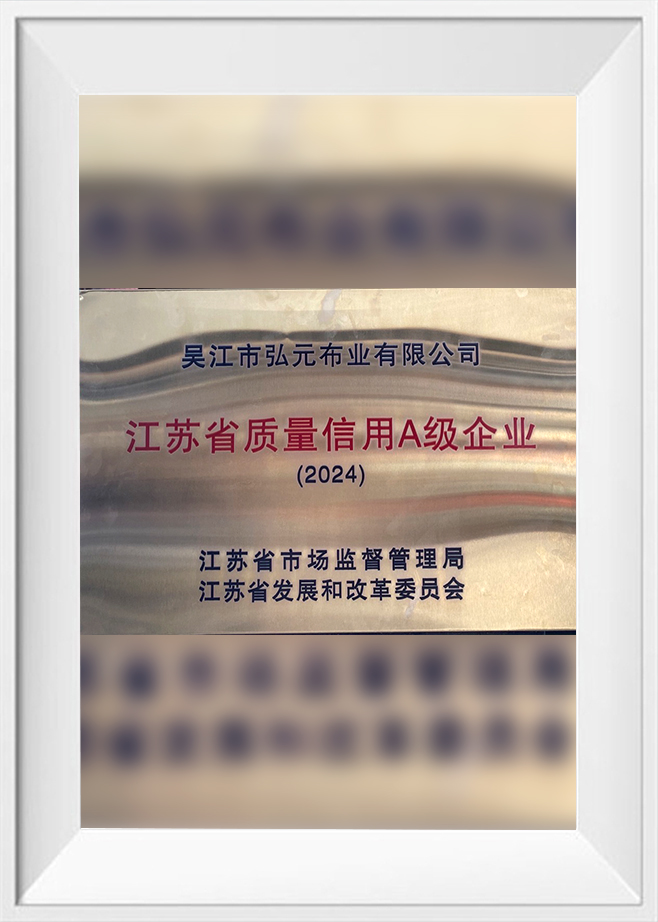
  • Jiangsu Province Quality Credit A-Level Enterprise
News
  • Choosing a fabric for apparel is rarely just about look and feel anymore; sourcing and sustainability now weigh just as heavily on the decision. Lyocell twill fabric has become a favorite for designers and brands who want a soft, breathable textile with a genuinely lower environmental footprint than many conventional ...

    READ MORE
  • Satin silk cloth fabric is one of the most sought-after materials in fashion and luxury textile production, prized for its glossy surface, fluid drape, and refined hand feel. For fashion brands, apparel manufacturers, and textile buyers, selecting the right satin silk cloth fabric depends on understanding weave struct...

    READ MORE
  • When performance apparel needs to move with the body rather than against it, fabric choice is everything. 4 way stretch spandex fabric has become the industry benchmark for activewear, athleisure, and technical garments — offering unrestricted movement in every direction, rapid shape recovery, and a next-to-skin comfo...

    READ MORE
Recycled Clothing Fabric Industry knowledge
Fiber Regeneration: Core Technologies and Process Analysis of Recycled Women's Fabric

The core of recycled women's fabric lies in the "regeneration" of fibers, which is not merely simple reuse but a complex set of technological and process flows. As a company that has been deeply involved in the textile industry for over 30 years, WuJiang City Hongyuan Textile Co., Ltd. has profound experience in this field, with a deep understanding of the transformation process from waste to high-quality fabric.

1. Mechanical Regeneration Technology: A Direct Path to Physical Recycling

This is the most direct and common method of recycling. Its core process is as follows:

  • Raw Material Sorting and Pre-treatment: Collected old clothes, textile scraps, or plastic bottles (such as PET bottles) must first be strictly sorted to remove non-textile components like zippers and buttons. This step is crucial as it determines the purity and quality of the final recycled fibers.
  • Fiber Opening and Cutting: The sorted materials are fed into an opener, where they are broken down into smaller fiber bundles or flocks through mechanical action.
  • Re-spinning: The opened fibers are then combed, stretched, and twisted to form new yarns. These yarns can be blended with virgin fibers to improve their strength and feel, or they can be used directly for weaving.

WuJiang City Hongyuan Textile Co., Ltd. has 500 water jet looms and 400 double twisting machines. These advanced weaving machines can efficiently weave mechanically recycled yarns into various women's fabrics, ensuring the stability and diversity of recycled products.

2. Chemical Regeneration Technology: Complete Rebirth at the Molecular Level

Unlike mechanical recycling, chemical recycling is a "deconstruction-reconstruction" process. It can restore waste polymers (such as polyester and nylon) back to monomers and then re-polymerize them to obtain new fibers with properties almost identical to virgin fibers.

  • Depolymerization and Purification: Waste polymers are broken down into basic monomer molecules under specific chemical solvents and temperatures. This process removes all impurities and dyes, resulting in high-purity recycled raw materials.
  • Re-polymerization and Spinning: The purified monomers are re-polymerized to form new polymers. They are then extruded to form continuous filaments or staple fibers using melt or solution spinning technology.

Chemical regeneration technology can significantly improve the quality of recycled fabrics, allowing them to meet or even exceed the standards of virgin fabrics in terms of colorfastness, strength, and feel. This makes it possible to regenerate high-end women's fabrics, for example, for making fabrics with a silky feel and good drape.

3. Process Challenges and Quality Control of Recycled Fabrics

Whether mechanical or chemical, regeneration faces unique challenges. WuJiang City Hongyuan Textile Co., Ltd. has over 30 years of experience in this field. Its 100-acre standardized production plant covering an area of 60,000 square meters provides a guarantee for strict quality control.

  • Color and Uniformity: Mechanically recycled fabrics may have variations in color and uniformity due to the complex source of raw materials. The company can effectively solve this problem through sophisticated raw material sorting and blending techniques.
  • Physical Properties: Recycled fibers may be slightly inferior to virgin fibers in terms of strength and wear resistance. Through precise formulation adjustments (such as blending with virgin fibers) and advanced twisting and weaving technologies, the physical properties of the fabric can be significantly enhanced.
  • Traceability and Certification: Ensuring the source and production process of recycled fabrics comply with sustainable standards is crucial. As a responsible exporter, WuJiang City Hongyuan Textile Co., Ltd. must ensure its products comply with international recycling standards, such as the Global Recycled Standard (GRS), which provides a guarantee of credibility for global customers.

In summary, the production of recycled women's fabric is a process that perfectly combines environmental concepts with cutting-edge textile technology. It is not just about reusing waste but a deep exploration of material science, textile craftsmanship, and sustainable development. WuJiang City Hongyuan Textile Co., Ltd. is an important practitioner in this exploration.